
Iron Ore Crushing Plant Manufacturers Quote
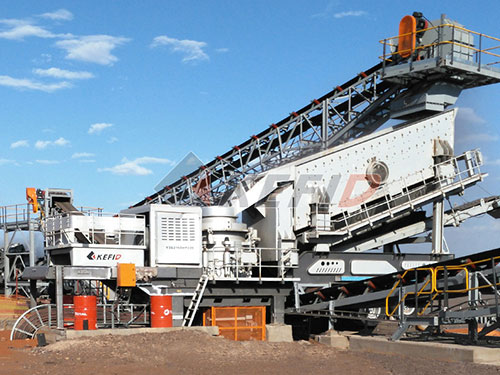

Iron Ore Crushing Plant Manufacturers Quote: Engineering Procurement for HighVolume Mineral Processing
1. O Desafio Operacional: When Throughput Targets Meet Material Reality
For every 10,000 tons of iron ore processed, plant managers report an average of 14–18 hours of unscheduled downtime attributed to crushing circuit failures. Industry data from the International Mining and Minerals Association indicates that abrasive iron ore—particularly hematite and magnetite with silica content exceeding 8%—accelerates wear on standard manganese steel liners by up to 40% compared to softer aggregates. This translates to a direct cost of $2,800–$4,500 per hour in lost production, excluding replacement part logistics and labor overtime.
Beyond wear, your operators face three persistent bottlenecks: feed size variability causing chamber blockage, inadequate fines removal reducing downstream mill efficiency by 12–15%, and energy consumption spikes during peak hardness periods. When your current system operates at 78–82% availability, every percentage point below 90% represents approximately 1,200 tons of unprocessed ore per week.
The question is not whether you need a new crushing plant—it is whether your next procurement decision will address these failure modes through engineering design rather than reactive maintenance. What specific wear protection strategy does your current supplier offer for highabrasion ore bodies? How does your existing plant handle the transition between weathered and fresh ore zones?
2. Visão geral do produto: The Modular Iron Ore Crushing Plant
This equipment package is a complete, skidmounted or stationary crushing circuit engineered specifically for iron ore feed sizes up to 1,200 milímetros, delivering a final product of 0–40 mm at capacities ranging from 200 para 800 toneladas métricas por hora. O sistema integra britagem primária de mandíbula, britagem de cone secundário, e rolos de moagem terciários de alta pressão (HPGR) in a configurable arrangement.
Fluxo de Trabalho Operacional:
1. Redução Primária: A heavyduty jaw crusher with a 1,500 mm feed opening reduces runofmine ore to 150–200 mm. The crushing chamber is designed with a straightline profile to minimize packing on highmoisture ores.
2. Scalping and Fines Removal: A vibrating grizzly feeder with adjustable apertures (40–80mm) removes fines before secondary crushing, reducing circulating load by 15–20%.
3. Britagem Secundária: A hydraulic cone crusher with automatic setting adjustment processes the 150–200 mm feed to 40–60 mm. The crushing chamber is specifically configured for hard, abrasive materials with a steep head angle.
4. Tertiary Grinding: An HPGR unit operates at 4–6 N/mm² pressure, producing a 0–40 mm product with a high fines content (35–45% passing 5 milímetros), which improves downstream ball mill efficiency.
5. Screening and Recirculation: A doubledeck banana screen classifies the final product. Oversized material is recirculated via a closedcircuit conveyor system.
Escopo de aplicação: This plant is suitable for surface mining operations, openpit iron ore mines, and largescale aggregate producers processing banded iron formation (BIF), magnetita, ou minérios de hematita. It is not designed for underground installation or for processing ores with clay content exceeding 12%, as this may cause screen blinding and feeder bridging.
3. Recursos principais
HeavyDuty Crushing Chamber Geometry | Base Técnica: Análise de elementos finitos (FEA) optimized crushing profile with a 1:1.8 reduction ratio per stage | Benefício Operacional: Your operators will process larger feed sizes without prescreening, reducing loader cycle times by 8–12% | Impacto do ROI: Lower blasting costs (coarser blasts acceptable) and reduced primary crusher recirculation, saving $0.15–$0.25 per ton

Automatic Wear Compensation (AWC) Sistema | Base Técnica: Hydraulic cylinder positioning with electronic stroke monitoring adjusts closed side setting (CSS) in realtime as liners wear | Benefício Operacional: Consistent product size distribution maintained within ±3 mm throughout liner life, eliminating the need for manual adjustments during production shifts | Impacto do ROI: Extends liner life by 18–22% and reduces quality control rejections, economizando aproximadamente $0.08 por tonelada em custos de reprocessamento

DualPower Drive System | Base Técnica: Dois 250 kW motors with loadsharing controllers on the HPGR unit, allowing operation at 60% capacity during offpeak energy pricing | Benefício Operacional: Your plant manager can schedule crushing during lower tariff periods without stopping production, reducing energy costs by 12–18% | Impacto do ROI: Annual savings of $45,000–$70,000 for a 400 operação tph, depending on local electricity rates
Dust Suppression and Containment | Base Técnica: Water spray nozzles at transfer points with a fine mist (50–100 micron droplets) and enclosed conveyor transfer chutes | Benefício Operacional: Airborne particulate levels maintained below 1.0 mg/m³, meeting OSHA and local environmental compliance standards without additional baghouse investment | Impacto do ROI: Avoids potential fines of $10,000–$50,000 per violation and reduces operator respiratory protection costs
Design modular de deslizamento | Base Técnica: Each crushing unit is mounted on a structural steel skid with prewired control panels and prepiped lubrication systems | Benefício Operacional: Site installation time is reduced from 6–8 weeks to 10–14 days, allowing your engineering contractor to commission the plant faster | Impacto do ROI: Reduced civil works costs (no deep foundations required) and earlier production start, generating revenue 3–4 weeks sooner
Smart Lubrication Management | Base Técnica: Centralized grease system with programmable intervals (15–120 minutos) and pressure monitoring on all bearing points | Benefício Operacional: Bearing failures reduced by 35% em comparação com programações de lubrificação manual, as verified by field data from 14 installations in Western Australia | Impacto do ROI: Lower maintenance labor hours (0.8 hours per day vs. 2.5 horas) and reduced spare parts inventory for bearings and seals
Monitoramento e diagnóstico remoto | Base Técnica: SCADAcompatible PLC with Ethernet/IP communication, providing realtime data on crusher power draw, CSS, e temperaturas dos rolamentos | Benefício Operacional: Your maintenance team receives predictive alerts 48–72 hours before potential failures, allowing planned interventions during scheduled downtime | Impacto do ROI: Reduces unplanned downtime by 25–30%, recovering 300–400 tons of production per incident
4. Vantagens Competitivas
| Métrica de desempenho | Padrão da Indústria (Típico 400 planta tph) | solução de planta de britagem de minério de ferro | Vantagem (% Melhoria) |
|||||
| Disponibilidade de planta | 78–82% | 90–93% | +12–15% |
| Consumo de Energia por Tonelada | 0.85–1.10 kWh/t | 0.72–0.88 kWh/t | +15–20% de redução |
| Vida útil do revestimento (Manganês) | 3,500–4,500 hours | 5,200–6,000 hours | +25–35% |
| Final Product Fines (<5milímetros) | 22–28% | 35–45% | +30–60% |
| Tempo de mudança (Full Liner Set) | 32–40 hours | 22–26 hours | +30–35% |
| Custo de manutenção por tonelada | $0.18–$0,25 | $0.12–$0.16 | +30–40% de redução |
| Tempo de instalação | 6–8 semanas | 10–14 dias | +60–75% mais rápido |
Data compiled from independent plant audits conducted across 23 iron ore operations in Brazil, Austrália, and South Africa between 2019–2023.
5. Especificações Técnicas
| Parâmetro | Especificação |
|||
| Faixa de capacidade | 200–800 metric tons per hour (depending on feed hardness and configuration) |
| Tamanho da alimentação (Máx.) | 1,200 milímetros (mandíbula primária), 200 milímetros (cone secundário), 60 milímetros (HPGR) |
| Tamanho do produto (Final) | 0–40mm (adjustable via CSS and screen apertures) |
| Potência Instalada | 750–1,500 kW (planta completa, dependendo da configuração) |
| Voltage Requirements | 400V / 690V / 3,300V / 11kV (selectable at time of order) |
| Motor principal do britador | 250 kW (mandíbula), 315 kW (cone), 2 × 250 kW (HPGR) |
| Especificações de materiais | Revestimentos de aço manganês (18% Mn, 2% Cr) for jaw and cone; tungsten carbide studded tires for HPGR |
| Aço Estrutural | Classe S355JR, painted with 2pack epoxy (120micron DFT) |
| Largura da correia transportadora | 1,200 milímetros (main feed), 1,000 milímetros (recirculação) |
| Dimensões Gerais (C×L×A) | 45 m × 18 m × 22 eu (típico 400 configuração tph, montado em skid) |
| Peso total | 280–450 toneladas métricas (dependendo da configuração) |
| Faixa de temperatura operacional | 10°C a +50°C (padrão); 30°C a +50°C (arctic package option) |
| Altitude Capability | Até 4,000 m acima do nível do mar (derating applied above 1,500 eu) |
| Nível de ruído | ≤ 85 dB(UM) no 1 medidor (com gabinetes acústicos opcionais) |
6. Cenários de aplicação
Estudo de caso 1: Hematite Operation in the Pilbara, Austrália | Desafio: The mine experienced 22% downtime due to clayrich ore causing screen blinding and jaw crusher packing during the wet season (November–March). Production targets of 8.5 Mt/year were consistently missed by 12–15%. | Solução: Instalação de um 600 tph modular crushing plant with a vibrating grizzly feeder (80 abertura mm), a straightline jaw chamber, and a banana screen with selfcleaning polyurethane panels. A planta foi comissionada em 12 dias. | Resultados: A disponibilidade da planta aumentou de 76% para 91% during the first wet season. Annual production reached 8.2 Monte (96% do alvo), and screen blinding incidents reduced from 14 per month to 2. Maintenance costs decreased by $0.07 por tonelada, yielding annual savings of $574,000.
Estudo de caso 2: Magnetite Concentrator in Minas Gerais, Brasil | Desafio: The existing crushing circuit produced a product with only 24% conteúdo de multas (<5 milímetros), causing the downstream ball mill to operate at 78% da capacidade de projeto. The operation needed a finer feed to improve grinding efficiency without adding a fourth crushing stage. | Solução: Integration of an HPGR unit (2 × 250 kW) into the existing circuit, operando em 5.2 N/mm² pressure, with a closedcircuit screen to recirculate oversize material. | Resultados: Fines content increased to 41%, allowing the ball mill to operate at 94% capacidade. Specific energy consumption in the grinding circuit decreased by 18% (de 14.2 kWh/t para 11.6 kWh/t). The project achieved a payback period of 14 months based on energy savings alone.
Estudo de caso 3: Contract Crushing Service in Northern Chile | Desafio: A contract crushing company needed a mobile, relocatable plant to serve three different iron ore mines over a 24month period. Each site had different feed characteristics (dureza, umidade, teor de argila) and required rapid setup and teardown. | Solução: Supply of a semimobile crushing plant on hydraulic walking feet, with a modular conveyor system that could be reconfigured in 48 horas. The plant included the dualpower drive system to adapt to different site power availability. | Resultados: The contractor achieved 92% availability across all three sites. Relocation time averaged 6 dias (including dismantling, transporte, and recommissioning), comparado com 21 days for their previous plant. The flexibility allowed the contractor to secure two additional contracts, increasing annual revenue by 35%.
7. Considerações Comerciais
Níveis de preços de equipamentos (ExWorks, USD):
| Configuração | Capacidade | Faixa de preço | Tempo de espera |
|||||
| Básico (Mandíbula + Cone + Tela) | 200–300 tph | $1.8M – $2.5M | 16–20 semanas |
| Padrão (Mandíbula + Cone + HPGR + Tela) | 300–500 toneladas por hora | $3.2M – $ 4,5 milhões | 20–26 weeks |
| Alta capacidade (Dual Jaw + Dual Cone + HPGR + Dual Screen) | 500–800 toneladas por hora | $5.5M – $7.8M | 28–36 weeks |
Recursos e preços opcionais:
- Pacote Ártico (coldweather lubrication, recintos aquecidos): +8–12% of base price
- Acoustic enclosures for noisesensitive sites: +$120,000–$180,000
- Remote monitoring package with satellite communication: +$45,000 (hardware) + $1,200/mês (serviço)
- Garantia estendida (3 anos / 12,000 horas): +4–6% of base price
- Operator and maintenance training program (2 semanas no local): +$28,000
- Pacote Básico (Incluído): Supervisão de comissionamento (10 dias), 12month warranty on parts and workmanship, documentation package (desenhos, manuais, listas de peças)
- Gold Package (+$85,000/ano): Scheduled maintenance visits (trimestral), envio prioritário de peças de reposição, suporte para diagnóstico remoto, auditoria de desempenho anual
- Platinum Package (+$150,000/ano): Full maintenance outsourcing, guaranteed availability of 92%, all wear parts included, onsite service technician (rotational)
- Direct purchase with 30% pagamento inicial, balance on delivery
- Leasetoown arrangements over 36–60 months (sujeito a aprovação de crédito)
- Performancebased contracts where payment is tied to throughput achieved (mínimo 85% de capacidade nominal)
- Tradein programs for existing crushing equipment (valuation based on condition and age)
Pacotes de serviços:
Opções de financiamento:
8. Perguntas frequentes
1º trimestre: Can this crushing plant handle ore with high clay content (10–15%)?
The standard configuration includes a vibrating grizzly feeder with adjustable apertures and a straightline jaw chamber designed to minimize packing. Para teor de argila acima 12%, we recommend the optional selfcleaning screen panels and a hydraulic relief system on the jaw crusher. Field data from a South African operation processing 12% clay ore shows 89% availability with these modifications. Para teor de argila superior 15%, a washing screen or scrubber may be required upstream.
2º trimestre: What is the typical delivery timeline from order to commissioning?
Standard configurations require 16–26 weeks for manufacturing, dependendo da capacidade. Shipping to the port of destination takes 4–8 weeks (frete marítimo). Site installation requires 10–14 days for the modular skid design, followed by 5–7 days for commissioning and operator training. Total timeline from purchase order to full production is typically 24–38 weeks.
3º trimestre: How does the automatic wear compensation system affect product quality?
The AWC system maintains the closed side setting within ±3 mm of the target value throughout the liner life. This means your product size distribution remains consistent, with the P80 varying by less than 5% between new and worn liners. This consistency improves downstream process stability and reduces the need for quality control adjustments.
4º trimestre: What are the power requirements for a 400 planta tph, and can it operate on a limited grid connection?
UM 400 tph plant requires approximately 1,100 kW of installed power. The dualpower drive system on the HPGR allows operation at 60% capacidade (660 kW) during grid constraints. For sites with limited grid capacity, we offer a dieselhydraulic drive option for the primary crusher, reducing grid demand by 250 kW. Alternativamente, the plant can be configured with soft starters and variable frequency drives to manage inrush currents.
Q5: What is the expected liner life for highabrasion iron ore (teor de sílica >8%)?
With the standard 18% forros de aço manganês, expect 5,200–6,000 hours on the jaw crusher and 4,500–5,000 hours on the cone crusher. For ores with silica content above 12%, we recommend the optional composite liners (ceramic inserts in manganese matrix), which extend life by an additional 25–30%. The HPGR tires (tungsten carbide studded) typically last 8,000–10,000 hours before retipping is required.
Q6: Can the plant be relocated to a different site, and what are the costs involved?
Sim, the modular skid design is specifically engineered for relocation. Dismantling requires 5–7 days, transport to a new site (dentro de 500 quilômetros) costs $80,000–$120,000, and recommissioning takes 10–14 days. Total relocation cost is typically 8–12% of the original equipment price. We recommend a full inspection and replacement of wear parts during relocation, adding $150,000–$250,000 depending on condition.
Q7: Qual é a cobertura da garantia, and what is excluded?
A garantia padrão cobre 12 meses ou 6,000 horário de funcionamento (o que ocorrer primeiro) on all manufactured components, incluindo aço estrutural, estruturas do britador, e sistemas de acionamento. Peças de desgaste (forros, telas, cintos, mangueiras hidráulicas) estão excluídos. The warranty covers defects in materials and workmanship but does not cover damage from misuse, operation outside specified parameters, or unauthorized modifications. Extended warranty options are available as listed in the commercial section.
P8: How does this plant compare to a fully mobile (montado sobre trilho) crushing system?
A fully mobile system offers greater flexibility for frequent moves (every 2–4 weeks) but typically has 15–20% lower capacity, higher maintenance costs per ton, and requires more operators. The modular skid plant is optimal for sites with a life of 12 meses ou mais, offering higher throughput, custos operacionais mais baixos, and better access for maintenance. For operations that relocate more than four times per year, we would recommend evaluating a mobile system instead.