
Logística de Agente de Fornecimento de Triturador de Impacto

1. ABERTURA ACIONADA POR PAINPOINT
Gerenciar os estágios de britagem primária e secundária é um gargalo crítico com consequências diretas para seus resultados financeiros. Você está enfrentando esses desafios operacionais persistentes?
Tempo de inatividade excessivo para manutenção: Trocas frequentes de revestimento e desgaste de componentes em britadores tradicionais interrompem toda a sua linha de processamento, custando milhares por hora em perda de produção.
Gradação de produto imprevisível: Dimensionamento de saída inconsistente leva a um desempenho downstream insatisfatório, reduzindo a eficiência da triagem e aumentando as cargas de recirculação 2030%.
Altos custos operacionais devido à abrasão: Processando difícil, materiais abrasivos como granito, basalto, ou escória resulta em consumo acelerado de peças de desgaste, aumentando sua métrica de custo por tonelada.
Flexibilidade limitada de materiais: Sua configuração atual pode lidar com eficiência com uma mistura de materiais – de concreto reciclado a calcário – sem grandes reconfigurações ou perda de desempenho??
Ineficiência Energética: A tecnologia de britagem mais antiga muitas vezes converte energia excessiva em calor e ruído, em vez de fragmentação eficaz, inflacionando suas despesas operacionais.
A questão central para os gerentes de fábrica é esta: como você pode alcançar resultados consistentes, produto específico enquanto controla os custos de desgaste e maximiza o tempo de atividade da planta? A integração estratégica de um britador de impacto moderno fornece uma solução direcionada.
2. VISÃO GERAL DO PRODUTO: TRITURADORES DE IMPACTO
Um britador de impacto é uma máquina de fragmentação dinâmica que utiliza rotores de alta velocidade e superfícies de impacto fixas (placas de disjuntor) fraturar material através de energia cinética. Ele foi projetado para uso primário, secundário, terciário, e aplicações de reciclagem onde o formato cúbico do produto é fundamental.
Fluxo de Trabalho Operacional:
1. Introdução ao feed: O material é direcionado para a abertura de alimentação do rotor de alta velocidade.
2. Aceleração & Impacto: Os martelos ou barras de impacto do rotor aceleram o material e o impulsionam contra as placas do disjuntor estacionárias, iniciando fratura.
3. Cominuição Interpartículas: O material quebrado é ejetado de volta para a câmara de britagem, colidindo com rocha recém-alimentada em uma cascata controlada (triturador de rocha).
4. Dimensionamento & Descarga: O material triturado sai através da folga ajustável entre o rotor e o avental da placa do disjuntor, determinar o tamanho do produto final.
Escopo de aplicação & Limitações:
Ideal para: Pedra de dureza média a dura (calcário, dolomite), concreto reciclado & asfalto, rocha virgem para moldagem de agregados. É excelente na produção de um produto final cúbico.
Considerações: Menos adequado para materiais altamente abrasivos (por exemplo, alguns granitos ricos em quartzo) em comparação com britadores de compressão sem adaptações específicas de projeto. O tamanho de alimentação ideal é controlado em relação ao diâmetro do rotor.
3. RECURSOS PRINCIPAIS
Sistema de Ajuste Hidráulico | Base Técnica: Cilindros hidráulicos integrados controlando a posição do avental | Benefício Operacional: Permite que os operadores ajustem a gradação do produto ou eliminem bloqueios em minutos sem parar o britador | Impacto do ROI: Reduz o tempo de inatividade para ajustes em até 80%, aumentando a produtividade anual
Barras de sopro compostas de cerâmica martensítica | Base Técnica: Fundição bimetálica com pastilhas cerâmicas embutidas em zonas de alto desgaste | Benefício Operacional: Prolonga a vida útil em aplicações abrasivas ao 3050% sobre o aço manganês padrão | Impacto do ROI: Reduz o custo de peças de desgaste e reduz a frequência de troca
Projeto de rotor para serviço pesado | Base Técnica: Construção monobloco de aço sólido ou soldada com alto momento de inércia | Benefício Operacional: Mantém a velocidade de britagem sob carga, garante gradação consistente do produto, e lida com grandes tamanhos de alimentação | Impacto do ROI: Oferece taxas de produção estáveis e protege os componentes do acionamento contra cargas de choque
Câmara de britagem multifuncional | Base Técnica: Placas rompedoras e caminhos de retificação configuráveis (opcional) | Benefício Operacional: Uma única unidade pode funcionar como britador primário ou secundário; caminho de moagem permite o ajuste fino da produção de finos | Impacto do ROI: Elimina a necessidade de múltiplas máquinas dedicadas em alguns circuitos, reduzindo despesas de capital
Transmissão Direta | Base Técnica: Rotor do britador acoplado diretamente ao motor através de acoplamento fluido ou correias em V | Benefício Operacional: Transferência de energia eficiente (até 95% eficiência), manutenção reduzida versus sistemas de caixa de velocidades | Impacto do ROI: Reduz o consumo de energia em média 15% e remove trocas/reparos de óleo da caixa de câmbio
Revestimentos de peças de desgaste QuickChange | Base Técnica: Segmentos de revestimento modular fixados com parafusos acessíveis do lado de fora da máquina | Benefício Operacional| Permite a substituição programada do revestimento em um turno em vez de vários dias| Impacto do ROI| Minimiza as janelas de manutenção planejada, mantendo a disponibilidade da planta acima 90%
4. VANTAGENS COMPETITIVAS
| Métrica de desempenho | Padrão da Indústria (Circuito Mandíbula/Cone) | Solução de britador de impacto | Vantagem (% melhoria) |
| : | : | : | : |
| Índice de Cubicidade do Produto (Forma) | 0.6 0.7 (Escamoso) | 0.8 0.9 (Cúbico) | ~25% de melhoria |
| Controle de Geração de Multas (<5milímetros)| Faixa de ajuste limitada| Preciso através da folga/velocidade do avental| Faixa ajustável melhorada em aproximadamente 40%|
| Tempo médio de inatividade para manutenção (Anual)| 120180 horas| 4070 horas| Até 60% Redução|
| Consumo de Energia por Tonelada Moída| Linha de base (100%)| ~85% da linha de base| ~15% de melhoria|
| Flexibilidade de materiais (Dureza/Abrasão)| Máquinas especializadas por tipo de material| Unidade única lida com ampla gama| Reduz o investimento para sites multimateriais|
5. ESPECIFICAÇÕES TÉCNICAS
Faixa de capacidade: 50 – 800 TPH (depende do material de alimentação e do tamanho do produto)
Diâmetro do rotor & Largura: De Ø1000mm x 1000mm a Ø2000mm x 2500mm
Requisitos de energia da unidade: 75 quilowatts – 500 motor elétrico kW
Tamanho máximo de alimentação: Até 80% de dimensões de entrada (por exemplo, 800mm de comprimento da borda para grandes unidades primárias)
Peso & Dimensões: Pesos de máquinas de ~12 toneladas a mais de ~60 toneladas; o design inclui componentes modulares fáceis de transportar.
Principais especificações de materiais: Rotor fabricado em aço S355J2; barras de impacto disponíveis em Mn18Cr2, Composto Cerâmico Martensítico; placas disjuntoras em Mn22.
Faixa operacional ambiental: Projetado para temperaturas ambientes de 20°C a +40°C; rolamentos selados contra poeira; sistemas opcionais de aquecimento/resfriamento disponíveis.
6. CENÁRIOS DE APLICAÇÃO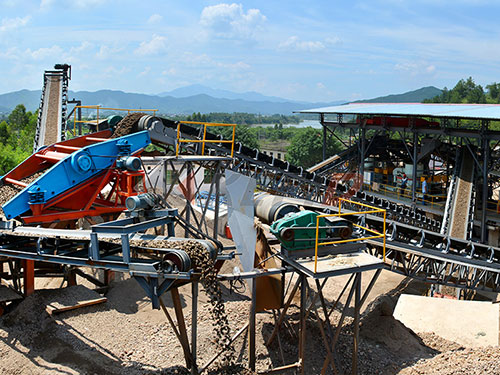
Pedreira de Agregados – Britagem Secundária/Terciária | Desafio: Os britadores cônicos de uma pedreira de calcário produziram agregados escamosos em excesso, inadequados para misturas asfálticas de alta especificação, causando desclassificação do produto.| Solução: Instalação de britador de impacto terciário de eixo horizontal configurado para britagem rock-onrock.| Resultados: Índice de cubicidade consistente alcançado acima >0.85. A produção de produtos premium de vedação de cavacos aumentou em 35\%, comandando um2/prêmio de preço por tonelada.
Construção & Planta de reciclagem de resíduos de demolição | Desafio: Composição variável da alimentação (concreto, tijolo, asfalto) causou emperramento e desgaste imprevisível no britador de mandíbula existente, limitando o tempo de atividade.| Solução:: Implantação de britador de impacto primário montado sobre esteira com ajuste hidráulico do avental e proteção contra sobrecarga.| Resultados:: O sistema agora processa C misto&D resíduos em <450 TPH com 5\. A vida útil das peças de desgaste tornou-se previsível, permitindo o inventário justintime.
Fábrica de Cimento – Desafio de Pré-Britação de Calcário:: O britador giratório primário criou finos excessivos contornando o circuito do moinho bruto, levando ao desperdício de energia Solução:: Um britador de impacto dedicado para serviços pesados instalado em pré-esmagamento paralelo <80mm pedaços de calcário Resultados:: Carga reduzida no moinho primário em 25\% reduzindo o consumo específico de energia kWh/tonelada em18\. Geração de finos otimizada para alimentação de forno.
7 CONSIDERAÇÕES COMERCIAIS
Os níveis de preços dos equipamentos variam de acordo com a configuração do tamanho:
– Nível I (<200 TPH): Unidades estacionárias padrão
– Nível II (500 TPH): Sistemas primários ou híbridos de engenharia personalizada
Recursos opcionais:
– Integração do sistema de controle automatizado
– Revestimentos de desgaste especiais para ultraabrasivos
– Kits de supressão de poeira
– Sensores de monitoramento de vibração
Pacotes de serviços:
– Platina:< Instalação completa completa, comissionamento de inspeções anuais
- Ouro:< Suporte prioritário para kits de peças de manutenção programada
- Prata:< Manuais básicos de inspeção, solução de problemas remotos
Financiamento:
As despesas de capital podem ser estruturadas através de empréstimos de equipamentos, arrendamentos operacionais ou contratos de aluguel próprio, normalmente variando de <3660 prazos mensais Financiamento específico do projeto pode estar disponível para atualizações em grande escala
8 Perguntas frequentes
Q1 Qual é a vida útil típica das barras de impacto em um britador de impacto que processa granito?
Os dados de campo A1 mostram que, com as modernas barras de impacto compostas de cerâmica martensítica, a vida útil varia de <60000 toneladas dependendo do conteúdo de SiO2 O alinhamento adequado da velocidade do rotor é crítico Espere aproximadamente <30 vida útil mais longa em comparação com o aço tradicional com alto teor de cromo
Q2 Um britador de impacto pode substituir nossos britadores de mandíbula primários e britadores cônicos secundários??
A2 Em muitos casos, sim, especialmente para rochas de dureza média Um impactor de eixo horizontal com grande abertura de alimentação pode servir como primário, enquanto aventais ajustáveis controlam o dimensionamento secundário. Isso simplifica o circuito, reduz os pontos de transferência, mas requer uma análise cuidadosa do tamanho da alimentação, dureza, abrasividade
Q3 Como um britador de impacto afeta o consumo geral de energia da nossa planta?
A3 Os testes da indústria demonstram que os impactores de acionamento direto convertem mais energia de entrada em energia de fragmentação versus britagem por compressão, normalmente reduzindo kWh por tonelada em <1020 A redução na carga de recirculação devido ao formato melhorado do produto aumenta ainda mais as economias posteriores
Q4 Quais são os prazos de entrega para peças de desgaste críticas, como rotores ou placas do disjuntor?
A4 Para modelos comuns, os principais OEMs armazenam componentes-chave regionalmente com entrega muitas vezes dentro <10 dias úteis Recomendamos manter estoque estratégico de barras de sopro de itens de alto desgaste com base em sua taxa de consumo para eliminar riscos de produção
Q5 Existem opções de financiamento que incluem custos futuros de peças de desgaste?
A5 Sim, existem vários instrumentos financeiros, incluindo arrendamentos de serviço completo que agrupam um conjunto predeterminado de peças de desgaste anuais em pagamentos mensais fixos. Isso converte custos operacionais variáveis em despesas gerais previsíveis, auxiliando na gestão orçamentária