
Como avaliar um negócio de britagem de pedra
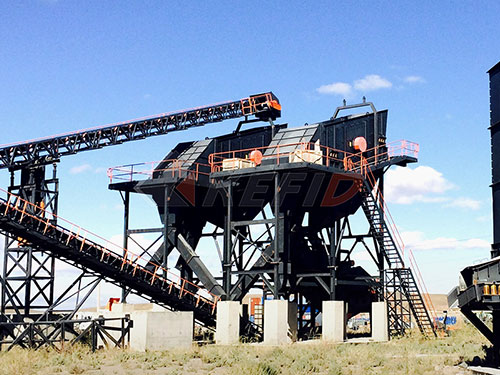

Como avaliar um negócio de britagem de pedra: Um guia prático
Determining the true worth of a stone crushing business requires moving beyond simple formulas. It demands a deep dive into tangible assets, realidades operacionais, dinâmica do mercado, and future potential. Whether you're considering acquisition, sale, investimento, or financing, understanding these key valuation drivers is essential for making informed decisions.
EU. Foundational Valuation Approaches

Three primary methodologies form the bedrock of business valuation:
1. Asset-Based Approach: Focuses on the company's net asset value (NAV).
Tangible Assets: This is paramount for crushing businesses.
Land: Localização, tamanho, zoning permissions (especially crucial for quarrying), acessibilidade.
Buildings & Infraestrutura: Offices, workshops, storage facilities, weighbridges.
Plantar & Machinery: Detailed inventory and valuation of:
Trituradores Primários (Mandíbula, Giratório)
Trituradores Secundários/Terciários (Cone, Impacto)
Telas (Vibrando, tambor)
Transportadores (Radial stackers, feed conveyors)
Alimentadores (Vibrating Grizzly, Apron)
Sistemas de lavagem (Log washers, sand screws)
Unidades de energia (Generators if applicable)
Vehicles: Loaders (carregadeiras de rodas), escavadeiras, dump trucks.
Spare Parts Inventory: Significant value can reside here.
Intangible Assets:
Mineral Reserves/Quarry Rights: The lifeblood of the operation. Valuation requires professional geological reports assessing volume and quality of accessible reserves under current permits. Market value per ton is critical.
Permits & Licenses: Environmental permits (air/water/noise), operating licenses, blasting permits (se aplicável). Their transferability and remaining validity are key.
Reputação da marca & Customer Relationships: Established relationships with construction firms or government agencies add value.
Liabilities: Deduct all outstanding debts, loans payable, environmental remediation provisions (se houver), equipment leases.
2. Income Approach: Values the business based on its ability to generate future cash flows. Crucial for profitable operations.
Discounted Cash Flow (DCF): Projects future Free Cash Flows (FCF) over a forecast period (por exemplo, 5