
Como funciona um britador de mandíbula
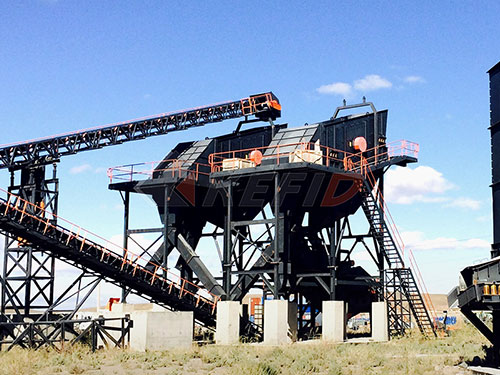

How Does a Jaw Crusher Work? Crushing Rock and Ore Efficiently
The jaw crusher stands as one of the most fundamental and widely used pieces of equipment in industries ranging from mining and quarrying to construction and recycling. Its robust design and straightforward operating principle make it indispensable for reducing large rocks and ores into manageable sizes for further processing or use as aggregate. But how exactly does this powerful machine achieve its task? Let's delve into its inner workings.
O Princípio Fundamental: Esmagamento por compressão
No seu coração, a jaw crusher operates on a remarkably simple yet effective principle: compressão. It utilizes two opposing jaw surfaces – one stationary and one moving – to exert immense pressure on material fed into the chamber between them (the crushing chamber). This pressure forces the material to fracture along natural fault lines until it becomes small enough to fall through the gap at the bottom.
Componentes:
1. Mandíbula Fixa (Matriz Estacionária): This rigidly mounted plate forms one side of the crushing chamber.
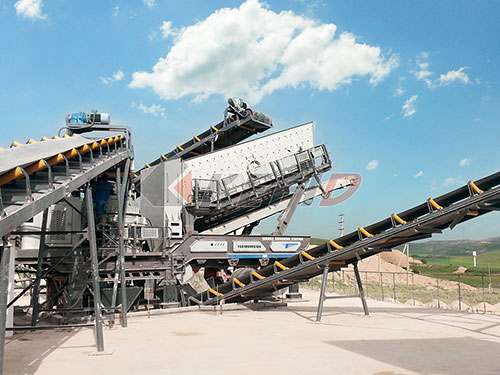
2. Mandíbula Móvel (Swing Die): Mounted on an eccentric shaft assembly (the pitman), this jaw moves in an elliptical motion towards and away from the fixed jaw.
3. Eixo Excêntrico: The central rotating shaft driven by a motor via belts/pulleys or directly by a hydraulic motor/variable frequency drive (VFD). Its offset section creates the elliptical motion of the movable jaw.
4. Pitman: The component connecting the eccentric shaft directly to the movable jaw assembly, transmitting its motion.
5. Placa de alternância(é): A crucial safety mechanism positioned behind/underneath the pitman/movable jaw assembly.
Acts as a mechanical fuse designed to break under excessive overloads (por exemplo, uncrushable material entering), protegendo outros componentes contra danos catastróficos.
Provides support for pushing against during compression strokes.
Helps maintain alignment.
6. Placas de bochecha: Protective liners on the sides of the crushing chamber frame that prevent wear on the main frame itself.
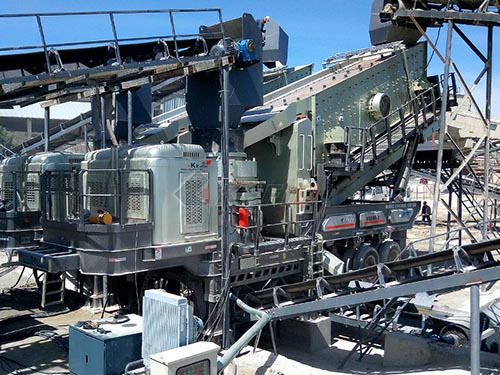
7. Volantes: Heavy wheels mounted on each end of the eccentric shaft outside the frame.
Store rotational energy during non-compression parts of the cycle (return stroke).
Release this stored energy during compression strokes when peak power is needed to crush hard material.
Provide inertia for smoother operation by reducing fluctuations in power demand from the motor.
8. Descarga