
Relatório global da indústria britador
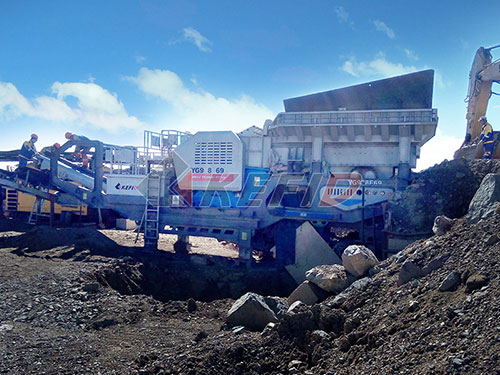

Global Crusher Industry: Powering Infrastructure and Resource Processing
The global crusher industry stands as a critical backbone for essential sectors like mining, construction aggregates production, reciclagem, and industrial processing. These robust machines are indispensable for reducing large rocks, minérios, detritos de demolição, and other materials into smaller, tamanhos utilizáveis. Understanding the dynamics of this market provides valuable insight into broader economic development and resource utilization trends worldwide.
Market Landscape and Segments
The industry encompasses a diverse range of equipment designed for specific tasks:
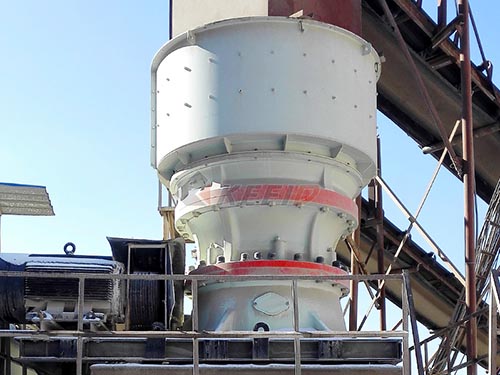
1. Por tipo de produto: Britadores de mandíbulas (britagem primária), Trituradores de cone (britagem secundária/terciária), Trituradores de impacto (versatile for various materials), Trituradores giratórios (high-capacity primary), Trituradores de rolo (for softer materials), and specialized Mobile Crushers.
2. Por aplicativo: Mineração & Metallurgy remains the largest segment due to constant ore extraction needs. Construction Aggregates follows closely as urbanization drives demand for sand and gravel. Recycling is the fastest-growing application sector as circular economy principles gain traction globally.
Drivers de mercado
Several powerful forces propel the crusher market forward:
Desenvolvimento de infraestrutura: Massive government investments in roads, pontes, ferrovias (especially in Asia-Pacific and emerging economies) necessitate vast quantities of crushed stone and aggregates.
Urbanização: Rapid urban growth fuels residential and commercial construction projects globally.
Mining Activity: Sustained demand for metals and minerals drives investment in new mines and expansion of existing operations.
Recycling Imperative: Increasing environmental regulations and resource scarcity make crushing essential for processing construction & resíduos de demolição (C&D) e lixo eletrônico (lixo eletrônico) into reusable secondary raw materials.
Technological Advancements: Innovations focus on improving efficiency (consumo de energia por tonelada triturada), automation/remote monitoring capabilities for predictive maintenance & safety enhancement, mobility solutions for flexible deployment at sites.
Challenges Facing the Industry
Despite strong demand drivers, significant hurdles exist:
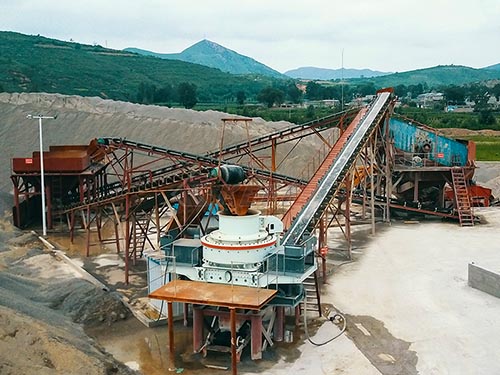
High Capital Investment: Purchasing large crushers represents a major financial commitment for operators.
Custos Operacionais: Energy consumption remains substantial; maintenance requires skilled technicians; wear parts replacement is frequent.
Regulamentos Ambientais: Stricter noise control measures and dust suppression requirements necessitate additional investments in equipment design and site management practices.
Volatility in Raw Material Prices: Fluctuations in steel prices impact manufacturing costs.
Escassez de mão de obra qualificada: Operating complex modern crushers effectively requires