
Preços de equipamentos de britagem de lastro de pedreira de exportação
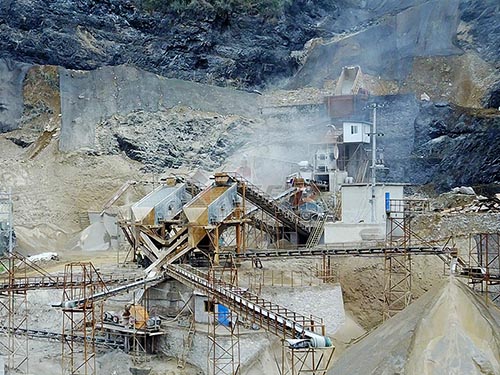

Equipamento de britagem de lastro de pedreira direcionado: Projetado para rendimento máximo e custo mínimo por tonelada
1. ABERTURA ACIONADA POR PAINPOINT
Produzindo consistente, O lastro ferroviário de especificação é uma operação de alto risco, onde a ineficiência impacta diretamente as margens e os prazos do projeto. Seus processos atuais estão enfrentando esses desafios??
Baixo rendimento do produto: A geração excessiva de finos em estágios de britagem inadequados desperdiça matéria-prima valiosa e reduz o volume de lastro vendável, corroendo a lucratividade.
Tempo de inatividade não programado: Mudanças freqüentes de revestimento, desgaste de componentes devido à alimentação abrasiva, e falhas mecânicas inesperadas interrompem toda a sua linha de produção, custando milhares por hora em perda de produção.
Gradação inconsistente: Falha em produzir de forma confiável a distribuição estrita do tamanho das partículas (PSD) exigido pelas autoridades ferroviárias leva à rejeição do produto, reesmagamento, e relacionamentos com clientes prejudicados.
Altos custos operacionais: O aumento do consumo de energia proveniente de câmaras de britagem ineficientes e o aumento do trabalho de manutenção para ajustes manuais consomem seu orçamento.
A questão central para os gerentes de fábrica é esta: como você pode aumentar a produção de lastro inspecionado e, ao mesmo tempo, reduzir sistematicamente seu custo por tonelada? A solução está na seleção de equipamentos de britagem de lastro de pedreira projetados especificamente.
2. VISÃO GERAL DO PRODUTO
Esta linha de produtos compreende serviços pesados, soluções de britagem primária e secundária estacionárias e montadas sobre esteiras configuradas especificamente para granito, basalto, e outros agregados de alta abrasão usados na produção de lastro ferroviário. O fluxo de trabalho operacional é projetado para controle ideal de cubicidade e gradação:
1. Redução Primária: O feed de despejo é reduzido a um tamanho gerenciável (tipicamente <250milímetros) por uma mandíbula robusta ou britador giratório.
2. Britagem Secundária & Moldar: A fase de produção do núcleo de lastro, onde um britador de cone, configurado para saída grosseira, realiza a britagem interpartículas para obter a forma cúbica e a gradação inicial necessárias.
3. Triagem & Recirculação: O material é selecionado para separar o lastro de especificação; tamanho grande é recirculado para o britador secundário, enquanto subdimensionado (multas) são desviados para uso de subprodutos.
Escopo de aplicação: Ideal para pedreiras de lastro dedicadas ou produtores de agregados com volumes significativos de contratos ferroviários. Limitações: Não é adequado para operações de alimentação de baixo volume ou altamente variáveis sem pré-peneiramento adequado; requer protocolos de manutenção fundamentais competentes.
3. RECURSOS PRINCIPAIS
Ajuste CSS do Hydroset | Base Técnica: Pistão hidráulico que suporta o eixo principal | Benefício Operacional: Configuração fechada (CSS) pode ser ajustado em menos 60 segundos sob carga para controle de gradação em tempo real | Impacto do ROI: Elimina paradas de produção para ajustes manuais de calços, aumentando as horas de operação anuais em até 5%
Otimização da vida útil do revestimento | Base Técnica: Perfis de câmara de britagem modelados por computador e ligas de aço manganês de alta qualidade | Benefício Operacional: A distribuição uniforme do desgaste prolonga a vida útil da camisa, 2030% em condições de alimentação abrasivas | Impacto do ROI: Reduz os custos de estoque de liner e o tempo de inatividade para troca, reduzindo o custo por tonelada de material triturado
Sistema de controle automatizado (ACS) | Base Técnica: Sistema baseado em PLC que monitora a carga do britador, consumo de energia, e pressão | Benefício Operacional: Mantém o desempenho ideal automaticamente, evitando sobrecargas e notificando os operadores sobre problemas de tendência | Impacto do ROI: Protege contra danos dispendiosos; dados de campo mostram um 715% melhoria na eficiência energética através de operação consistente
Projeto de rolamento para serviços pesados | Base Técnica: Rolamentos autocompensadores de rolos superdimensionados com sensores de temperatura integrados | Benefício Operacional: Lida com picos de carga de transientes de materiais não britáveis; sensores fornecem aviso antecipado de problemas de lubrificação | Impacto do ROI: Reduz drasticamente o risco de falha catastrófica do rolamento – a principal causa do tempo de inatividade prolongado do britador
Projeto modular de peças de desgaste | Base Técnica: Placas de desgaste padronizadas e anéis protetores nos principais pontos de tensão | Benefício Operacional: Reduz o tempo de substituição de componentes de desgaste não revestidos em até 40% usando ferramentas padrão | Impacto do ROI: Reduz as horas de trabalho de manutenção e coloca o britador de volta à produção mais rapidamente
4. VANTAGENS COMPETITIVAS
| Métrica de desempenho | Padrão da Indústria | Nossa solução de britagem de lastro de pedreira | Vantagem (% Melhoria) |
| : | : | : | : |
| Rendimento de lastro (% de alimentação)| 5565% rendimento vendável devido à geração de finos| A geometria otimizada da câmara produz 6875% rendimento vendável| +1015% mais produto gerador de receita |
| Tempo de troca do revestimento| 812 horas para câmara secundária| Projeto assistido por ferramentas & recursos hidráulicos permitem 46 mudanças de hora| Recuperação de tempo de inatividade cerca de 50% mais rápida |
| Consumo Específico de Energia| Variável com base na carga; muitas vezes ineficiente na alimentação parcial| O ACS mantém o consumo de energia ideal em relação ao rendimento| Até 15% menor kWh por tonelada processada |
| Consistência de gradação (PSD)| O ajuste manual do CSS leva a um desvio ao longo da vida útil do revestimento| O sistema Hydroset mantém CSS com tolerância de ±2 mm durante todo o ciclo do revestimento| Reduz significativamente lotes de produtos fora das especificações |
5. ESPECIFICAÇÕES TÉCNICAS
Faixa de capacidade: Configurações de 200 acabar 800 toneladas métricas por hora de produto de lastro acabado.
Requisitos de energia: Britadores primários de 110400 kW; Britadores de cone secundários de 132315 kW. Todos exigem fonte de alimentação industrial dedicada.
Especificações de materiais: Projetado para resistência à compressão não confinada (UCS) alimentar materiais até 350 MPa. Construído em aço resistente à abrasão com componentes críticos de desgaste em manganês premium.
Dimensões Físicas (Estação Secundária Típica): Pegada de aproximadamente 8m x 5m; Peso total entre 25,000 45,000 kg dependendo do modelo.
Faixa operacional ambiental: Projetado para temperaturas ambientes de 20°C a +45°C com lubrificantes apropriados. Os sistemas de vedação contra poeira são classificados para condições padrão de pedreira.
6. CENÁRIOS DE APLICAÇÃO
Expansão da Pedreira de Lastro Dedicada
Desafio: Um empreiteiro ferroviário nacional precisava duplicar a produção de lastro de uma pedreira de granito existente, mas enfrentou restrições de espaço e foi obrigado a não aumentar a pegada global da planta ou o consumo de energia.
Solução: Implementação de um sistema de alta capacidade, britador de mandíbula primário montado sobre esteiras emparelhado com um único britador cônico secundário de alta eficiência configurado especificamente para produção de lastro grosso.
Resultados: O rendimento aumentou em 95%. O novo projeto da planta melhorou o rendimento em 12% devido ao formato cúbico superior, atingir a meta de produção dentro dos limites originais do site.
Produtor agregado adicionando contratos ferroviários
Desafio: Um produtor geral de agregados ganhou um importante contrato de manutenção ferroviária, mas seus britadores cônicos multifuncionais existentes geraram finos excessivos (<22milímetros), falhando na especificação de gradação rigorosa.
Solução: Retrofit de uma linha de produção com britador cônico secundário equipado com kit de revestimento grosso e sistema de controle automatizado dedicado exclusivamente à produção de lastro.
Resultados: Conformidade consistente alcançada com Network Rail SPEC TS1 (Reino Unido) padrões de gradação. O rendimento de lastro vendável aumentou de 58% acabar 70%, transformar um contrato marginal em uma linha de negócios lucrativa.
7. CONSIDERAÇÕES COMERCIAIS
Níveis de preços: O investimento em equipamentos varia significativamente com base na capacidade e configuração.
Linha de lastro de nível de entrada: Para empreiteiros regionais (<250tph).
Linha de produção padrão: Planta estacionária completa para pedreiras dedicadas (250600tph).
Sistemas montados em esteira/alta capacidade: Para projetos de grande escala ou uso em vários locais (>600tph).
Recursos opcionais: Sistemas avançados de supressão de poeira, pacotes telemáticos de monitoramento remoto, sistemas de lubrificação automatizados, kits iniciais de peças de reposição.
Pacotes de serviços: Planos escalonados estão disponíveis desde suporte básico de manutenção preventiva até acordos abrangentes de tempo de atividade garantido com cobertura de peças.
Opções de financiamento: O financiamento flexível de equipamentos de capital inclui estruturas próprias de arrendamento adaptadas para operações de mineração.
8. Perguntas frequentes
1. Este equipamento é compatível com nossa configuração existente de britagem primária e peneiramento??
Avaliações de engenharia podem determinar requisitos de integração. A maioria dos modelos é projetada com alturas de descarga padrão e interfaces de transporte para cenários de modernização.
2. Qual é o impacto operacional esperado durante a fase de comissionamento?
Com um planejamento adequado, o comissionamento normalmente leva entre dois dias por unidade de máquina, sob orientação de nossos técnicos, até que a produção com especificações estáveis seja alcançada.
3. Como funciona a estrutura de preços? O que está incluído?
O preço base inclui o britador(é), motores de acionamento, kit de ferramentas padrão, bem como serviços de comissionamento no local.
4. Que treinamento é fornecido para nossa equipe de manutenção?
O treinamento operacional abrangente no local abrange verificações diárias, bem como procedimentos planejados de troca de revestimento usando nossos sistemas de ferramentas.
5.