
Desvantagem de um triturador de rolo duplo
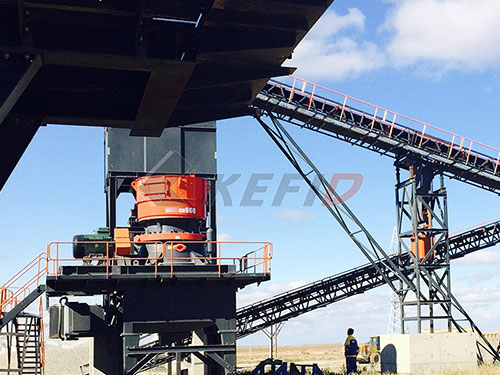

Double Roller Crushers: Understanding Their Limitations in Industrial Applications
Double roller crushers are stalwarts in various industries like mining, processamento mineral, produção de cimento, and coal handling for their ability to efficiently reduce medium-hard to hard materials through compression between two counter-rotating rolls. Their simplicity, relatively low cost for primary crushing duties on suitable materials, and ability to handle friable substances make them a common choice. No entanto, like any technology, they come with inherent disadvantages that must be carefully evaluated during equipment selection:
1. Limited Reduction Ratio: This is arguably their most significant constraint.
Single-Stage Limitation: Double roller crushers typically achieve reduction ratios of only 4:1 ou 5:1 em uma única passagem.
Need for Secondary Crushing: For applications requiring finer final product sizes (common in many mineral processing circuits), double roller crushers often necessitate secondary or even tertiary crushing stages using different equipment (por exemplo, britadores de cone, impactadores). This adds complexity and cost to the overall plant layout and operation compared to crushers offering higher single-pass ratios.
2. Material Limitations & Sensitivity:
Abrasive Materials = High Wear: The direct compression mechanism subjects the roll surfaces (typically made of manganese steel or other wear alloys) to intense abrasion when processing hard or highly abrasive rocks (por exemplo, quartzito). This leads to rapid wear of the roll shells.
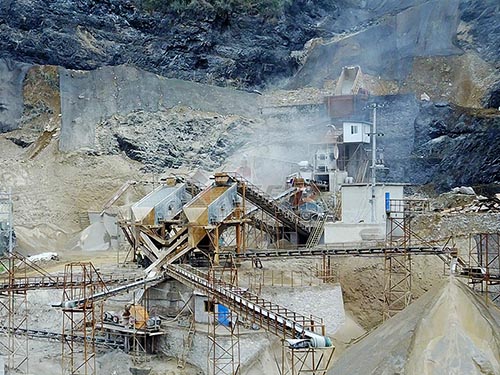
Sticky/Fibrous Materials = Blockages: Materials with high clay content, moisture levels exceeding design limits (wet coal), or fibrous substances tend to pack between the rolls instead of being crushed cleanly.
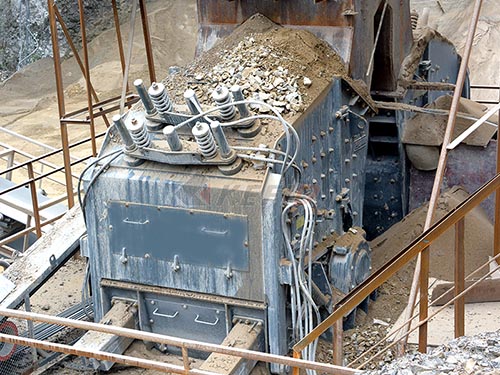
Plastic Deformation vs Brittle Fracture: They rely on brittle fracture under compression; very ductile materials may deform plastically rather than shatter effectively.
Hardness Cap: While good for medium-hard materials, extremely hard rocks can cause excessive wear or even damage rolls beyond their design limits more quickly than other types of crushers designed specifically for such duty.
3. Vestir & Carga de manutenção:
Roll Shell Replacement: As the primary wear parts directly engaged with feed material, roll shells require frequent inspection and periodic replacement – a significant maintenance task involving downtime.
Alignment is Critical: Precise parallel alignment of the two rolls is essential for uniform crushing across the roll width and preventing uneven wear or premature failure of bearings/seals.
Consequência & Haste