
Planta trituradora
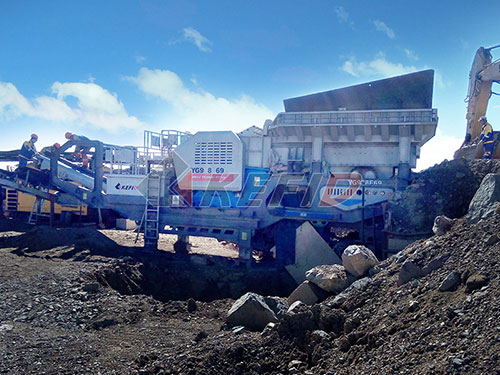

The Essential Role and Modern Advancements of Crusher Plants in Aggregate Production
In the realm of mining, construção, e desenvolvimento de infraestrutura, crusher plants stand as indispensable assets for transforming raw materials into usable aggregates. These facilities are engineered to process rocks, minérios, and minerals into specific sizes and shapes required for diverse industrial applications. This article explores the core functions of crusher plants, their operational mechanisms, tipos, and the evolving technologies driving efficiency and sustainability in the sector.
What is a Crusher Plant?
A crusher plant is a system of machinery designed to reduce large rocks or raw materials into smaller fragments, cascalho, or rock dust. These plants are pivotal in aggregate production, serving industries such as construction, construção de estradas, mineração, e reciclagem. By breaking down materials into standardized sizes, crusher plants ensure compatibility with downstream processes like concrete mixing or asphalt production.
Components and Workflow
A typical crusher plant comprises several integrated components:
1. Triturador Primário: The first stage of size reduction (por exemplo, jaw crushers or gyratory crushers) handles large raw materials.
2. Secondary and Tertiary Crushers: Further refine material size using cone crushers or impact crushers.
3. Equipamento de triagem: Vibrating screens segregate particles by size for precise grading.
4. Transportadores: Transport materials between crushing stages and storage areas.
5. Sistemas de Controle: Modern plants employ automation for real-time monitoring of operations.
The workflow begins with feeding raw material into the primary crusher. Crushed output is then screened; oversized fragments are recirculated for additional crushing until desired specifications are met.
Types of Crusher Plants
1. Plantas Estacionárias: Permanent installations ideal for high-volume production near quarries or urban construction sites.
2. Trituradores móveis: Track-mounted or wheeled units offering flexibility for on-site crushing in remote locations.
3. Plantas Portáteis: Compact designs balancing mobility with mid-range processing capacity.
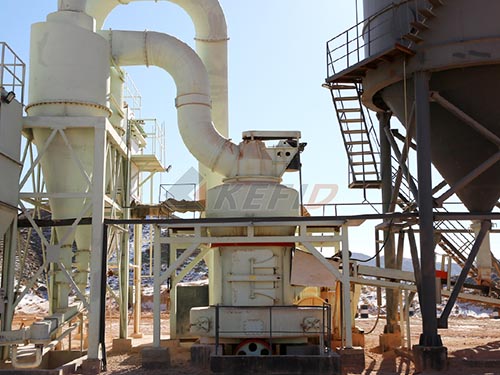
Applications Across Industries
- Mineração: Processing ores to extract metals or minerals.
- Construção: Producing aggregates for concrete, asfalto, and structural fill.
- Reciclagem: Crushing demolition waste (concreto, tijolos) for reuse in new projects.
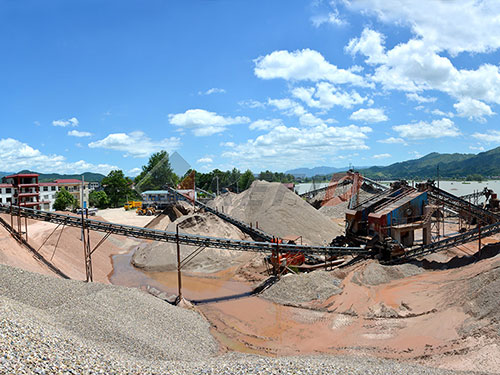
- Railway/Roadwork: Creating ballast layers and sub-base materials.
Technological Innovations
Modern crusher plants prioritize efficiency and environmental responsibility:
- Automação & IoT Integration: Sensors optimize energy use and