
triturador de escória comercial
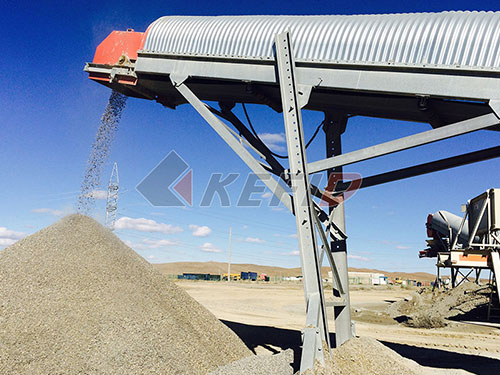

H1: Otimize seu processamento de materiais com uma planta comercial de britagem de escória
Sua operação está enfrentando dificuldades, subprodutos abrasivos da produção de metal? O gerenciamento eficiente da escória é um desafio industrial persistente que impacta diretamente seus resultados financeiros. Você está enfrentando altos custos de substituição de peças de desgaste devido à natureza abrasiva da escória?? O tamanho de alimentação inconsistente da escória bruta está causando gargalos e reduzindo sua capacidade de processamento posterior?? Você está enfrentando tempo de inatividade excessivo para manutenção e limpeza, ou perder receitas potenciais ao tratar a escória como mero resíduo? Uma planta trituradora de escória comercial dedicada foi projetada para transformar essas responsabilidades operacionais em um consistente, produto agregado valioso.
Visão geral do produto: A solução integrada de processamento de escória
Uma planta comercial de britagem de escória é um sistema de britagem estacionário ou semimóvel configurado especificamente para reduzir a escória metalúrgica. (alto-forno, aço, cobre, etc.) em agregados com classificação precisa para uso na construção, base rodoviária, ou recuperação de matéria-prima. O fluxo de trabalho operacional é projetado para, processamento pesado:
1. Recebimento Primário & Pré-triagem: A escória bruta é alimentada através de um carregador ou transportador no sistema, onde uma tela de escalpelamento inicial remove materiais finos e detritos.
2. Britagem Primária: Um britador primário robusto (normalmente um britador de mandíbula) reduz grandes pedaços de escória a um tamanho gerenciável.
3. Secundário & Britagem Terciária: Um britador cônico ou britador de impacto reduz ainda mais o material às especificações desejadas do produto final.
4. Triagem Final & Classificando: Peneiras vibratórias de múltiplos decks separam o material triturado em frações definidas (por exemplo, 05milímetros, 520milímetros, 2040milímetros).
5. Estoque & Expedição: Os agregados classificados são transportados para pilhas designadas para garantia de qualidade e carregamento.
Este sistema foi projetado para processamento de alto volume de materiais abrasivos, mas requer alimentação controlada de escória metalúrgica; normalmente não se destina à mineração de rocha virgem ou materiais extremamente pegajosos sem configuração específica.
Recursos principais: Projetado para abrasão e tempo de atividade
Rotor para serviço pesado & Câmara de esmagamento | Base Técnica: Massa alta, design de liga resistente ao desgaste | Benefício Operacional: Sustenta a energia de impacto e resiste à abrasão causada por objetos pontiagudos, escória dura | Impacto do ROI: Intervalos de manutenção estendidos reduzem a frequência de troca de peças e os custos de mão de obra em até 30%.
Ajuste Hidráulico & Limpeza | Base Técnica: Sistemas hidráulicos controlados por computador | Benefício Operacional: Permite que os operadores ajustem o tamanho do produto ou eliminem bloqueios remotamente em minutos | Impacto do ROI: Minimiza o tempo de inatividade não planejado, permitindo uma resposta rápida às variações de alimentação.
Peças de desgaste reforçadas & Sistemas de Forro | Base Técnica: Revestimentos compostos de aço manganês ou cerâmica | Benefício Operacional: Fornece vida útil previsível em zonas de britagem de alta abrasão | Impacto do ROI: Permite o agendamento de manutenção planejada e reduz o custo de componentes desgastados.
Separação Integrada de Metais | Base Técnica: Separador magnético de correia cruzada Overbelt | Benefício Operacional: Extrai automaticamente o conteúdo metálico residual do fluxo de produto triturado | Impacto do ROI: Protege equipamentos downstream e aumenta a pureza agregada para maior valor de mercado.
Quadro de isolamento de vibração | Base Técnica: Sistemas de montagem amortecidos e suportes estruturais reforçados | Benefício Operacional: Absorve cargas dinâmicas de alimentação irregular e britagem por impacto | Impacto do ROI: Reduz a fadiga por estresse estrutural, prolongando a vida útil operacional da planta.
Vantagens Competitivas: Ganhos mensuráveis de desempenho
| Métrica de desempenho | Padrão da Indústria (Triturador Móvel) | Solução comercial para planta de britagem de escória | Vantagem |
| : | : | : | : |
| Disponibilidade para processamento| ~7580% (factoring realocação/configuração)| >92% (instalação permanente/semipermanente) | +15% horas mais produtivas |
| Custo por tonelada (Peças de desgaste)| Variável, muitas vezes maior devido a revestimentos menos otimizados| Controlado através de design de revestimento e metalurgia dedicados| Até 25% redução documentada |
| Consistência do Produto (Gradação)| Pode variar de acordo com o local de alimentação e as configurações do britador| Altamente consistente devido à configuração estável e controle de processo| Melhora a conformidade com as especificações em aproximadamente 40% |
| Capacidade de rendimento| Limitado pela área ocupada pela planta móvel e pelo tamanho do alimentador| Projetado para maior alimentação contínua de estoques| Aumenta a produção em estado estacionário em 2050% |
Especificações Técnicas
Capacidade de processamento: Varia de 150 TPH acima 600 TPH, dependendo da configuração do modelo e das características do material de alimentação.
Requisitos de energia: A planta primária normalmente requer 400800 fonte elétrica kW; planos detalhados de distribuição de energia são fornecidos por instalação.
Principais especificações de materiais: Fabricado em aço estrutural S355JR; componentes de desgaste em aço manganês HB500+ ou placa AR equivalente; eixos críticos são de liga de aço forjado.
Dimensões Físicas (Configuração típica): Layout variável; um padrão 250 A pegada da planta TPH aproxima-se de 40 m (eu) x 25m (C) x 15m (H).
Faixa operacional ambiental: Projetado para temperaturas ambientes de 20°C a +45°C com recursos opcionais para supressão de poeira (10°C) e encapsulamento de ruído.
Cenários de aplicação
Reciclagem de escória de siderurgia | Desafio: Um grande produtor de aço estava depositando escória de alto forno a um custo significativo enquanto comprava externamente material de base para estradas. A quebra manual foi ineficiente. | Solução: Instalação de uma planta de britagem comercial de escória pronta para uso com britadores de mandíbula primários e britadores cônicos secundários, triagem integrada e separação magnética. | Resultados: A planta processa 400 TPH de escória bruta. Os custos de aterro foram eliminados, e a operação agora produz mais 300,000 toneladas anuais de agregado certificado, criando um novo fluxo de receita com um ROI alcançado em menos de 24 meses.
Processamento de subproduto de fundição de cobre | Desafio: Escória abrasiva de fundição de cobre com bolsas de metal embutidas estava causando rápido desgaste em equipamentos de britagem genéricos, levando a um alto tempo de inatividade para manutenção. | Solução: Implantação de planta trituradora de escória especializada com silos revestidos, alimentadores de avental para fluxo uniforme de material, e impactores pesados com elementos de desgaste extraespessos. Um sistema de separação magnética de dois estágios foi incluído. Resultados:| Resultados:O sistema dedicado aumentou o tempo médio entre falhas (MTBF) por mais 60%. Eficiência de recuperação de metal melhorada para >98%, adicionando receita direta de sucata. O agregado final é vendido para a indústria local de concreto pronto.
Considerações Comerciais
As plantas comerciais de britagem de escória são investimentos de capital adaptados aos requisitos específicos do local e às metas de produção.
Níveis de preços: Módulos montados em skids de nível básico começam em um ponto de investimento mais baixo para necessidades de menor capacidade (~150200 TPH). Plantas estacionárias de médio porte (~250.400 TPH) oferecer maior automação. Sistemas completos com transporte integrado, triagem,e controle de poeira representam o nível premium.
Recursos opcionais: Os principais complementos incluem canhões avançados de supressão de poeira, sistemas automatizados de lubrificação com graxa, pacotes telemáticos de monitoramento remoto,e sistemas de lavagem suplementares para agregados mais limpos.
Pacotes de serviços: O suporte abrangente normalmente inclui planos de manutenção preventiva programada,suporte técnico virtual,e contratos de fornecimento de peças de desgaste garantidos. Recomenda-se treinamento opcional do operador no local.
Opções de financiamento: A maioria dos fornecedores pode facilitar soluções de financiamento através de instituições parceiras. As estruturas comuns incluem arrendamento mercantil operacional.,e alugar para possuir programas adaptados aos requisitos do balanço patrimonial.
Perguntas frequentes
1. Esta planta é compatível com diferentes tipos de escória?
Sim,uma planta de triturador de escória comercial bem configurada pode processar alto-forno(namorado),aço(BOF/EAF),e escórias não ferrosas. Ajustes críticos envolvem seleção de material de desgaste,velocidade do britador,e potencialmente a inclusão de separadores especializados baseados em conteúdo metálico.
2. Qual é o cronograma típico de implementação desde o pedido até a operação?
Para uma planta estacionária configurada padrão, a entrega dos principais componentes é normalmente de 1.620 semanas a partir do pedido. A preparação da fundação pelo cliente deve ocorrer em paralelo. A montagem no local e o comissionamento por engenheiros qualificados requerem 46 semanas adicionais, dependendo da complexidade.
3. Como esta solução afeta nossos custos operacionais contínuos de mão de obra?
Essas plantas são projetadas para alta automação, exigindo apenas 12 operadores por turno para monitoramento e ajustes básicos. O controle centralizado e o manuseio manual reduzido normalmente estabilizam ou reduzem os requisitos de mão de obra direta em comparação com múltiplas unidades móveis ou métodos manuais..
4. Quais são os principais termos comerciais relativos à garantia e garantias de desempenho?
As garantias padrão cobrem defeitos de fabricação em máquinas por 12 meses a partir do comissionamento. As garantias de desempenho para rendimento e gradação do produto geralmente são fornecidas com base nas especificações de material de alimentação acordadas e são definidas contratualmente antes da compra.
5. Podemos integrar esta nova fábrica com nossos transportadores existentes e infraestrutura de manuseio de materiais?
A integração é uma prática padrão. As avaliações de engenharia analisarão pontos de interface, como alturas de alimentadores, larguras de banda de transportadores e pontos de transferência, para garantir a compatibilidade. Modificações ou extensões podem ser cotadas como parte do escopo do projeto..
6. Que tipo de suporte pós-venda podemos esperar para peças de reposição e assistência técnica?
Fornecedores respeitáveis fornecem disponibilidade de peças sobressalentes essenciais 24 horas por dia, 7 dias por semana, respaldadas por um catálogo detalhado de peças. O suporte técnico virtual por meio de sistemas conectados é cada vez mais comum..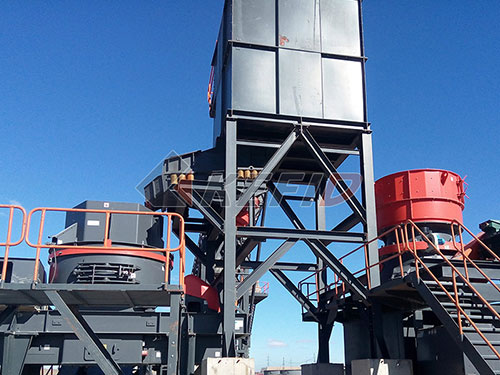
7. Existem soluções de financiamento disponíveis que se alinhem com os nossos ciclos de despesas de capital??
Sim. Geralmente é organizado financiamento flexível por meio de instituições parceiras. Isso pode incluir arrendamentos estruturados que preservam linhas de capital de giro ou planos de pagamento progressivos vinculados aos marcos do projeto.