
Especificação do produtor de equipamentos para fábrica de cimento


Visando gerentes de fábrica & Empreiteiros de engenharia: Otimizando o resfriamento do clínquer para atingir o pico de eficiência do forno
A produção do seu forno e a lucratividade da planta são limitadas pelo resfriamento ineficiente do clínquer?? Taxas de resfriamento inconsistentes afetam diretamente a capacidade de moagem, aumentando o consumo específico de energia no laminador de acabamento por 815%. O vazamento excessivo de ar mais frio não apenas desperdiça energia, mas pode levar a choque térmico e redução da vida útil do refratário na zona de descarga do forno.. Além disso, sistemas de grelha não confiáveis causam freqüentes, paradas não planejadas para manutenção, custando em média 1824 horas de produção perdida por incidente. Você está gerenciando altos custos de manutenção devido ao desgaste abrasivo do clínquer e lutando para cumprir metas de emissões cada vez mais rigorosas devido a fluxos de ar não otimizados?? A direita resfriador rotativo de clínquer não é apenas um trocador de calor; é um determinante crítico da eficiência térmica da sua planta, longevidade do equipamento, e estrutura de custos operacionais.
Visão geral do produto: Resfriador rotativo de clínquer de alta eficiência
Esse resfriador rotativo de clínquer é um robusto, unidade cilíndrica de recuperação de calor instalada na extremidade de descarga do forno de cimento. Sua principal função é reduzir a temperatura do clínquer de aproximadamente 1.200°C para menos de 100°C para manuseio, enquanto recupera e redireciona o ar secundário quente de volta ao forno e o ar terciário para o calcinador..
Fluxo de Trabalho Operacional:
1. Alimentação & Distribuição: O clínquer incandescente das descargas do forno em vôos de elevação internos dentro da carcaça rotativa.
2. Troca de calor em contracorrente: À medida que a casca gira, o clínquer é levantado e colocado em cascata através de um fluxo controlado de ar de resfriamento ambiente introduzido na extremidade de descarga.
3. Tempo de residência controlado: A velocidade de rotação e o design do voo interno governam o tempo de viagem do material, garantindo resfriamento preciso.
4. Recuperação de calor: Ar quente saindo do refrigerador (ar secundário/terciário) é canalizado de volta para processos de combustão.
5. Descarga: O clínquer resfriado sai por uma saída selada para transporte até o armazenamento.
Escopo de aplicação: Ideal para linhas de produção de cimento de média a grande capacidade com fornos rotativos. Esta tecnologia é particularmente eficaz onde a qualidade consistente do clínquer e a recuperação maximizada de calor são prioridades.
Limitações: Requer operação estável do forno para desempenho ideal; normalmente não é adequado para fábricas muito pequenas ou que usam tecnologias de forno não rotativo.
Recursos principais: Projetado para confiabilidade & ROI
Projeto avançado de voo de elevação | Base Técnica: Perfil de cascata otimizado com base na dinâmica de materiais granulares | Benefício Operacional: Cria uma cortina uniforme de clínquer para máximo contato gás-sólido e resfriamento uniforme | Impacto do ROI: Melhora a eficiência da recuperação de calor em até 72%, reduzindo o consumo específico de combustível.
Sistema modular de placa de grelha | Base Técnica: Alto cromo, peças fundidas em liga resistente à abrasão com montagem aparafusada | Benefício Operacional: Permite a substituição individual da placa durante a manutenção programada, minimizando o tempo de inatividade | Impacto do ROI: Reduz o tempo de inatividade para manutenção relacionado ao refrigerador em um valor estimado 40% anualmente.
Sistema de acionamento hidrostático | Base Técnica: Acionamento por engrenagem circunferencial multimotor com controle de frequência variável | Benefício Operacional: Fornece suavidade, rotação confiável com controle preciso de velocidade sob cargas variadas | Impacto do ROI: Melhora a longevidade do trem de força, reduzindo os principais custos de revisão do sistema de acionamento ao longo de um ciclo de vida de 10 anos.
Soluções de vedação aprimoradas | Base Técnica: Vedações de labirinto multiestágio combinadas com vedação pneumática na entrada/saída | Benefício Operacional: Reduz drasticamente a falsa infiltração de ar (para baixo 10% do fluxo de ar total) | Impacto do ROI: Melhora a eficiência da combustão do forno e pode reduzir o consumo de energia do ventilador ID.
Controle inteligente de ar de resfriamento | Base Técnica: Câmaras plenum segmentadas com ventiladores ajustáveis de forma independente | Benefício Operacional: Permite o controle de resfriamento baseado em zona para corresponder às condições do leito de clínquer e ao perfil de temperatura | Impacto do ROI: Otimiza o consumo de energia dos ventiladores mais frios e melhora a qualidade final do clínquer.
Integração de Manutenção Preditiva | Base Técnica: Portas padronizadas para imagens térmicas, monitoramento de vibração, e sensores de condição | Benefício Operacional: Facilita o monitoramento da integridade dos rolamentos em tempo real, unidades, e integridade do shell | Impacto do ROI: Transforma a manutenção de reativa em preditiva, evitando falhas catastróficas.
Vantagens Competitivas
| Métrica de desempenho | Padrão da Indústria (Resfriador de grelha alternativo) | Nossa solução de resfriador rotativo de clínquer | Vantagem (% Melhoria) |
| : | : | : | : |
| Eficiência de recuperação de calor | ~6570% de taxa de recuperação típica| Consistente >72% taxa de recuperação demonstrada| +37% melhoria na eficiência térmica |
| Consumo específico de energia| Maior devido ao movimento da grelha & numerosos fãs| Mais baixo; movido apenas por rotação & menos fãs| Até 15% redução na potência do ventilador do cooler |
| Tempo de inatividade de manutenção (Anual)| 80120 horas para substituição da grelha & manutenção geral| 4060 horas focadas em inspeção & partes menores| Redução de aproximadamente 50% no tempo de inatividade anual |
| Infiltração de Ar Falsa| Tipicamente 1525% do fluxo de ar de resfriamento total| Mantém 50% redução no desperdício de energia do ventilador |
| Saída de temperatura de clínquer| Pode ser variável (+/ 50°C) com grelhas irregulares| Consistente (+/ 15°C) devido à ação de queda| Moagem melhorada & produção do moinho |
Especificações Técnicas
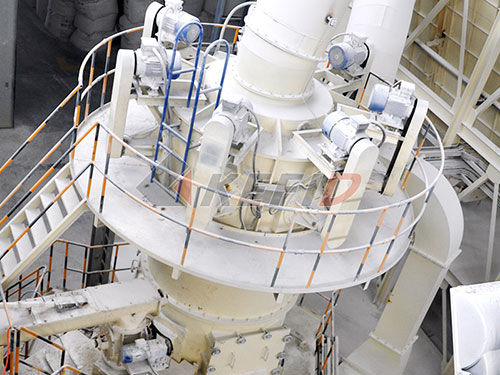
Faixa de capacidade: Projetado para saídas de forno de 2,000 TPD para 8,000 TPD.
Requisitos de energia: Motor de acionamento principal(é): 150400 kW (dependendo do tamanho). A potência total instalada do ventilador de resfriamento varia de acordo com a configuração.
Especificações de materiais: Shell construído em chapa de aço carbono; Passadeiras de elevação internas feitas de aço fundido resistente ao calor; Seção de entrada revestida com concretos refratários.
Dimensões Físicas (Amostra para 3,500 TPD): Diâmetro da casca: 4.2eu; Comprimento da casca: 28eu; Peso total instalado (aprox.): 450 toneladas.
Faixa operacional ambiental: Projetado para temperaturas ambientes de 20°C a +45°C. Construção à prova de poeira adequada para instalação externa.
Cenários de aplicação
Modernização da Fábrica Integrada de Cimento
Desafio: Uma fábrica no Sudeste Asiático operava um resfriador de grelha antigo que sofria de grande vazamento de ar (>22%) e falhas frequentes na placa da grelha, limitando a produção do forno e aumentando os custos de combustível.
Solução: Substituição por uma engenharia personalizada resfriador rotativo de clínquer, incluindo um acionamento hidráulico integrado e instrumentação atualizada.
Resultados: A temperatura do ar secundário aumentou aproximadamente 85°C. Kiln specific fuel consumption decreased by over 3%. Annual maintenance hours on the cooler system were reduced by nearly 300 hours within the first year.
Expansion Project for Growing Producer
Desafio: An engineering contractor required a reliable cooling solution for a new production line where space was constrained and operational simplicity was valued over complex mechanical systems.
Solução: Installation of a single rotary clinner cooler as part of the greenfield plant design.
Resultados: The simpler layout reduced civil costs. The robust design allowed plant operators to achieve stable operation faster during commissioning. Field data shows the unit has consistently met guaranteed capacity and outlet temperature specifications since startup.
Considerações Comerciais
Níveis de preços: Capital cost varies significantly with capacity:
Nível I (6,000 TPD): Fully customengineered solutions.
Recursos opcionais: Advanced process control package (Integração CLP/SCADA), sistema suplementar de pulverização de água para condições extremas, garantia estendida para componentes de acionamento.
Pacotes de serviços: Escolha entre pacotes de inspeção anual, contratos de manutenção de serviço completo, incluindo gerenciamento de estoque de peças, ou acordos de suporte de monitoramento remoto.
Opções de financiamento: Disponíveis através de instituições parceiras incluem estruturas tradicionais de leasing de equipamentos ou soluções de financiamento baseadas em projetos adaptadas para grandes despesas de capital.
Perguntas frequentes (Perguntas frequentes)
1. Este resfriador rotativo de clínquer é compatível com nosso sistema de forno existente??
É necessária uma avaliação completa de engenharia. Nossa equipe analisa a geometria existente do alojamento de descarga do forno, pontos de elevação,e interfaces de manuseio de materiais para projetar uma solução de modernização compatível que minimize a interrupção.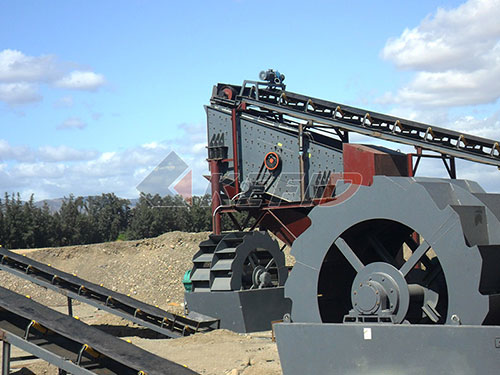
2. Qual é o impacto típico na eficiência térmica geral da planta?
Os dados de campo mostram que a substituição de um resfriador antigo e ineficiente pode melhorar a eficiência térmica geral da planta entre 1% e 4%, principalmente através de temperaturas do ar secundário/terciário mais altas que reduzem diretamente as necessidades de combustível do queimador principal.
3. Como este equipamento lida com variações na qualidade ou granulometria do clínquer?
A ação de rotação de um resfriador rotativo é geralmente mais indulgente do que os sistemas de grelha em relação ao conteúdo de finos ou pequenas variações no tamanho do pellet. O tempo de residência controlado garante que mesmo as partículas grossas sejam adequadamente resfriadas antes da descarga.
4. Quais são os termos comerciais padrão, como prazo de entrega?
Para modelos de capacidade padrão,o prazo de entrega varia de 12 meses exworks após a aprovação final do projeto. Unidades de grande capacidade personalizadas exigem prazos de entrega mais longos. Cronogramas detalhados do projeto são fornecidos mediante solicitação.
5.