
Maldito Mandíbula

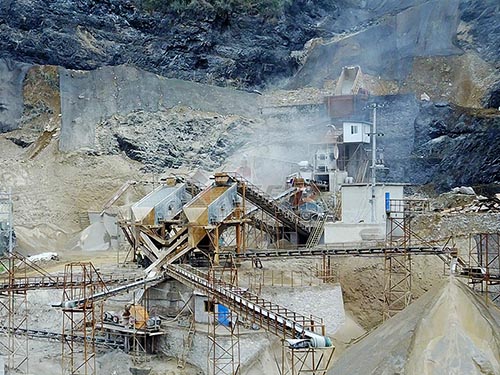
A jaw crusher is a primary crushing machine used in mining, construção, and recycling industries to break down large rocks, minérios, e outros materiais duros em menores, peças mais gerenciáveis. It operates by compressing the material between two jaws—one fixed and one moving—to reduce its size.
Key Components of a Jaw Crusher:
1. Mandíbula Fixa (Matriz Estacionária) – The immovable surface that forms part of the crushing chamber.
2. Mandíbula móvel (Mandíbula oscilante) – Moves back and forth against the fixed jaw, applying mechanical pressure.
3. Toggle Plate – A safety mechanism that protects the crusher from damage due to uncrushable material.
4. Eccentric Shaft – Drives the moving jaw in an elliptical motion for crushing action.
5. Flywheel – Stores energy to ensure smooth operation.
6. Cheek Plates – Protective liners on the sides of the crushing chamber.
Como funciona:
1. Material is fed into the top of the crusher.
2. The moving jaw exerts force on the rock by pressing it against the fixed jaw.
3. O material triturado sai pela abertura de descarga na parte inferior (adjustable for different sizes).
Types of Jaw Crushers:
- Single Toggle Jaw Crusher – Simpler design with only one toggle plate; efficient for smaller operations.
- Double Toggle Jaw Crusher – More complex but provides better crushing force for harder materials.
Aplicativos:
- Mineração (crushing gold, cobre, minério de ferro)
- Construção (breaking concrete, asfalto)
- Reciclagem (processamento de resíduos de demolição)
- Pedreira (calcário, granito, cascalho)
Vantagens:
✔ Alta taxa de redução
✔ Simple structure & easy maintenance
✔ Suitable for hard and abrasive materials
Desvantagens:
✖ Higher wear on jaw plates compared to gyratory crushers
✖ Less efficient for sticky or wet materials
Gostaria de detalhes sobre manutenção, dimensionamento, or specific brands/models? Let me know how I can assist further!