
Professional Quarry Sites In Lagos Factory


1. PAINPOINT DRIVEN OPENING
Are your Lagos quarry operations constrained by inconsistent feed, excessive downtime, and spiraling maintenance costs? For plant managers overseeing granite, limestone, or laterite extraction, the primary crushing stage often dictates sitewide efficiency. Common challenges include:
Jaw Crusher Overload & Premature Wear: Unregulated dump truck feeds cause frequent choking and uneven liner wear, leading to unplanned stoppages and high replacement part costs.
Inconsistent Feed to Downstream Processes: Fluctuating crusher discharge creates bottlenecks for secondary crushers and screens, reducing overall plant throughput by 1530%.
High Labor & Equipment Costs: Deploying wheel loaders for primary feed is fuelintensive and requires constant operator attention, tying up valuable assets.
Material Contamination & Segregation: Direct tipping can mix fines with oversize rock, reducing product quality and increasing processing complexity.
Is there a solution that regulates feed, protects your primary crusher investment, and creates a stable foundation for your entire processing line?
2. PRODUCT OVERVIEW
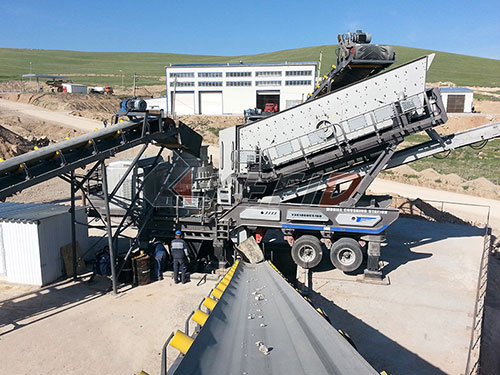
The HeavyDuty Apron Feeder is a robust, continuous feed conveyor designed to handle the most severeduty applications in Lagos quarry sites. It serves as the critical interface between the dump hopper and your primary jaw crusher.
Operational Workflow:
1. RunofMine (ROM) material is dumped into a receiving hopper.
2. The apron feeder’s overlapping steel pans, driven by heavyduty chains, extract material at a controlled, preset rate.
3. Material is conveyed evenly and consistently onto the primary crusher’s feed belt or directly into the crusher inlet.
4. The regulated flow ensures the crusher operates at its optimal designed capacity without shock loading.
Application Scope: Ideal for hightonnage primary feeding of blasted rock, heavy ores, and abrasive aggregates. It is the standard for largescale stationary quarries with dedicated processing plants.
Limitations: Not designed for fine materials alone (sub50mm) without proper sealing kits. Requires a substantial initial capital investment compared to simpler feeders and needs a solid foundation due to its weight and dynamic loads.
3. CORE FEATURES
Controlled Extraction & Feed Rate | Technical Basis: Variable Frequency Drive (VFD) on head shaft | Operational Benefit: Operators can precisely match feeder speed to crusher capacity in realtime, preventing overload or underutilization. | ROI Impact: Maximizes crusher throughput; field data shows up to 22% increase in average hourly production by eliminating feedrelated bottlenecks.
SevereDuty Componentry | Technical Basis: Forged alloy chain links with hardened pins/bushings and overlapping Mn steel flights | Operational Benefit: Withstands direct impact from large (>1m³) dumped rock loads and continuous abrasion with minimal deformation. | ROI Impact: Reduces unscheduled downtime; industry testing demonstrates chain life extensions of 3550% over standard designs in abrasive granite applications.
Impact Zone Protection | Technical Basis: Replaceable NiHard or Mn steel liner plates in hopper interface zone | Operational Benefit: Concentrates wear on inexpensive, boltedon liners instead of the main feeder structure or pans. | ROI Impact: Lowers longterm maintenance costs; liner replacement is 60% faster and 70% less costly than repairing structural components.
TractorStyle Undercarriage | Technical Basis: Sealed rollers and trackstyle guidance systems supporting feeder pans | Operational Benefit: Provides stable support under full load, minimizes frictioninduced power consumption, and excludes dust/debris from rolling components. | ROI Impact: Reduces drive motor energy requirements by approximately 18% compared to slider bed designs in equivalent duty.
Centralized Greasing & Monitoring | Technical Basis: Automated lubrication system with ports at all critical wear points (chain pins, rollers) | Operational Benefit: Ensures consistent component lubrication without manual intervention, extending service intervals. | ROI Impact: Increases bearing and chain life; documented cases show a 40% reduction in lubricationrelated failures.
4. COMPETITIVE ADVANTAGES
| Performance Metric | Industry Standard (Vibrating Grizzly Feeder) | HeavyDuty Apron Feeder Solution | Advantage (% improvement) |
| : | : | : | : |
| Availability in Primary Duty| ~92% (sensitive to unbalanced loads & spring fatigue) | >96% (robust mechanical drive) | +4% Uptime |
| Max Feed Size Capability| Up to 1000mm (limited by deck strength) | Up to 1500mm+ (direct impact on pans) | +50% Capability |
| Operating Cost per Ton| MediumHigh (frequent deck replacement) | LowMedium (longer component life cycles)| ~25% Lower Cost/Ton |
| Material Scalping Fines| Yes (integrated grizzly section) | No (requires separate grizzly) | |
| Shock Load Tolerance| LowModerate (can damage vibrator motors)| Extremely High (inertial mass absorbs impact)| Critical for direct tipping |
5. TECHNICAL SPECIFICATIONS
Capacity Range: Configurable from 500 MTPH to over 3,000 MTPH for Lagos quarryscale operations.
Feed Material Size: Accepts dumped ROM material up to 1500mm edge length.
Power Requirements: Dependent on size/length; typical range from 30kW to 110kW AC motor with VFD control. Voltage compliant with Nigerian industrial standards (415V/3Phase/50Hz).
Material Specifications: Pans fabricated from T1 or equivalent hightensile steel; flights lined with replaceable abrasionresistant steel (AR400/500). Chains meet ISO Class Standards for heavyduty conveying.
Physical Dimensions: Standard widths from 1500mm to 2400mm; lengths customengineered from 6m to 25m based on plant layout.
Environmental Operating Range: Designed for ambient temperatures from +5°C to +45°C typical of Southern Nigeria, with sealed components rated for high humidity and dust ingress protection (IP65 minimum on drives).
6. APPLICATION SCENARIOS
Granite Quarry Primary Circuit Upgrade
Challenge: A major granite quarry near Lekki experienced daily jaw crusher blockages due to erratic feeding from wheel loaders, limiting average output to 550 MTPH against a designed capacity of 800 MTPH.
Solution: Installation of a 2m wide x 12m long heavyduty apron feeder under a newly constructed dump hopper.
Results: Achieved sustained throughput of 780 MTPH within one month of commissioning. Crusher liner life increased by an estimated 30%, and loader fuel consumption was reduced by 80% at the primary station.
Integrated Cement Plant Limestone Handling
Challenge: A cement plant's raw material section faced excessive downtime on its old feeder system handling abrasive limestone boulders, causing delays for the entire kiln feed line.
Solution: Replacement with a customengineered apron feeder featuring extrathick flight liners and sealedforlife rollers.
Results:System availability increased from 88% to 97%. Annual maintenance costs related to the primary feed point decreased by an estimated 45%, delivering full project ROI within 22 months.
LargeScale Laterite Processing Facility
Challenge:A new laterite processing facility required an extremely robust solution capable of handling sticky yet abrasive material that would blind traditional vibrating feeders.Solution:A heavyduty apron feeder equipped with overlapping sealed pans was selected as part of their greenfield design.The controlled extraction rate was critical for their downstream scrubber units.The results were achieved through consistent volumetric flow that matched downstream process requirements.Elimination of bridging or ratholing issues common with other feeder types ensured plant design capacity was met from day one
Commercial Considerations
Equipment pricing tiers are structured based on width length,and specific material upgrades:
Tier I Standard Duty Up To ~1200 MTPH For less abrasive materials like some laterites Includes base specification AR400 liners manual lubrication
Tier II Severe Duty Up To ~2200 MTPH For granite limestone Standard specification includes AR500 liners optional automated central greasing system
Tier III Extra Heavy Duty Up To ~3000+ MTPH For maximum impact abrasion Includes premium forged chain options Ni Hard liners in impact zone VFD drive as standard
Optional Features Include skirt boards spillage conveyors integrated weighing modules walkways guards metal detection systems
Service Packages Available are comprehensive annual inspection contracts parts kitting programs emergency breakdown support extended warranty plans covering major structural components
Financing Options Can be explored through our partners including equipment leasing structures milestone based project financing tailored capital expenditure plans
FAQ
Q What is the lead time for delivery installation of an apron feeder in Lagos
A Lead times vary based on specifications typically ranging between weeks for standard units from regional stock Custom engineered solutions may require months Detailed project planning schedules are provided upon quotation
Q Can this equipment be integrated into my existing plant control SCADA system
A Yes Modern apron feeders are equipped with standard Modbus RTU or Profibus interfaces allowing seamless integration into your plantwide control system for centralized monitoring speed control fault diagnosis
Q How does operating cost compare versus continuing with wheel loader feeding
A A detailed Total Cost Ownership TCO analysis consistently shows apron feeders become more economical at sustained throughput levels above approximately MTPH Savings stem from reduced fuel maintenance labor costs loader redeployment higher overall plant utilization rates
Q What are the critical foundation requirements
A Our engineering package includes full foundation load drawings Specific reinforced concrete foundations are required capable of supporting static dynamic loads typically exceeding tons Professional local civil engineering contractor engagement is recommended
Q Are wear parts readily available locally
A We maintain strategic inventory of common wear parts flight liners chain links rollers at our Lagos service center ensuring availability Critical long lead items are identified stocked based on your preventive maintenance schedule