
Professional Quarry Ballast Crushing Equipment Certificate
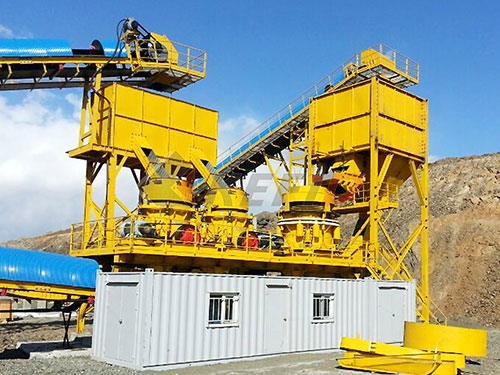

The Critical Role of Professional Certification in Quarry Ballast Crushing Equipment
The production of high-quality railway ballast is a cornerstone of safe and efficient rail infrastructure worldwide. Ballast forms the load-bearing foundation upon which sleepers (ties) and rails rest, distributing immense train loads, facilitating drainage, inhibiting vegetation growth, and ensuring track stability under dynamic stresses. Achieving the stringent size distribution (gradation), shape (angularity), strength (toughness), and cleanliness specifications demanded by rail authorities requires sophisticated crushing technology deployed within quarry operations.
This is where Professional Certification for Quarry Ballast Crushing Equipment transcends being merely paperwork; it becomes an indispensable benchmark of quality assurance, operational reliability, regulatory compliance, and long-term economic viability.
Understanding the Ballast Imperative
Before delving into equipment certification specifics, appreciating why ballast demands such precision is crucial:
1. Load Distribution: Crushed stone ballast effectively spreads the concentrated loads from passing trains over a wider area of the underlying subgrade soil.
2. Track Stability: Angular particles interlock tightly under compaction and vibration (from trains), preventing lateral movement of sleepers and rails.
3. Drainage: The open voids between particles allow rapid drainage of rainwater away from the track structure, preventing waterlogging that weakens the subgrade.
4. Vibration Damping: Ballast absorbs significant energy from train movement.
5. Maintenance Facilitation: Allows tamping machines to lift and align tracks efficiently.
Failure to meet specifications – such as excessive fines ("dirty ballast"), insufficient particle strength leading to breakdown ("ballast fouling"), poor particle shape reducing interlock – directly compromises these functions, accelerating track degradation necessitating costly repairs or even catastrophic derailments.
The Crucial Role of Specialized Crushing Equipment
Producing compliant ballast isn't achievable with generic crushing setups:
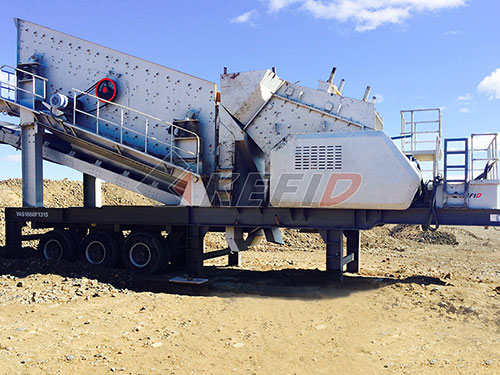
1. Precise Gradation Control: Multiple stages of crushing (primary jaw/gyratory crusher → secondary cone crusher → tertiary cone or impact crusher) are required to achieve tight control over particle sizes within defined ranges (e.g., typically between ~25mm - ~50mm).
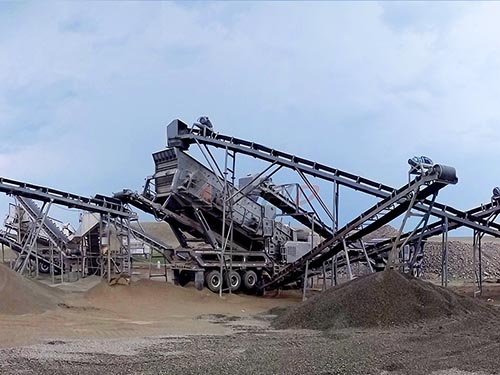
2. Particle Shape Optimization: Crushers must generate highly angular particles ("cubicity") rather than flaky or elongated shapes which break easily under load and offer poor interlock.
3. Minimizing Fines Generation: Excessive fines (<10% passing specific sieves is often