
Professional 500 Tph Gold Mining Washing Plant Competitive Price
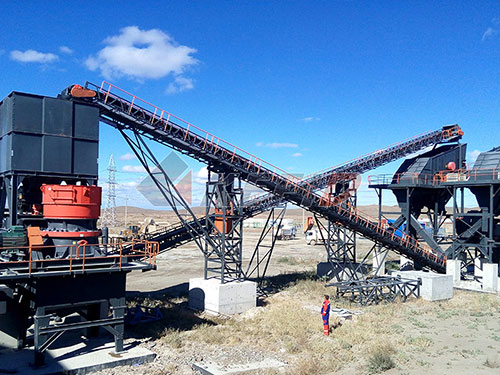

Professional 500 Tph Gold Mining Washing Plant Competitive Price
The Hidden Costs of Underperforming Gold Recovery Systems
Every hour your current washing plant operates below 500 tph capacity, you are losing measurable revenue. Field data from hardrock and alluvial operations shows that processing bottlenecks at the feed and scrubbing stages account for 12–18% of total operational downtime annually. For a midtier operation processing 2,000 tons per day, that translates to over $1.2 million in unrecovered gold value per year—before factoring in labor, fuel, and maintenance overhead.
Are you struggling with claybound ore that requires excessive water and retention time? Is your current trommel screen blinding, forcing frequent stoppages for manual cleaning? Are you paying premium rates for water treatment because your washing circuit cannot effectively separate fines from the slurry? These are not isolated issues; they are systemic inefficiencies that compound across your entire processing line.
The solution is not simply a larger machine. It is a purposeengineered washing system that matches your feed characteristics, maximizes gold liberation, and delivers consistent throughput at a competitive capital cost. This is precisely what a professional 500 tph gold mining washing plant offers—and this guide details how it addresses your operational challenges with verifiable engineering data.
Product Overview: HighCapacity Gold Washing and Recovery System

This 500 tph gold mining washing plant is a complete, skidmounted modular system designed for primary recovery of freemilling gold from alluvial deposits, weathered ores, and claybound gravels. It integrates feeding, washing, screening, and gravity concentration into a single continuous process stream, eliminating the need for multiple standalone units and reducing material handling between stages.
Operational Workflow
1. Feed Hopper and Grizzly: Runofmine material is loaded into a heavyduty hopper with a vibrating grizzly (bar spacing adjustable 50–150 mm) to scalp oversize rocks and direct them to a waste conveyor. This prevents damage to downstream components and reduces unnecessary scrubbing energy.
2. Rotary Trommel Scrubber: Material enters a 2.4meter diameter, 8meter long trommel with internal lifters and highpressure water jets (up to 6 bar). The combination of tumbling action and water spray disaggregates claybound material and liberates gold particles from gangue. Oversize (+10 mm) is discharged; undersize (10 mm) slurry flows to the next stage.
3. DoubleDeck Vibrating Screen: The slurry passes over a highfrequency doubledeck screen (10 mm and 3 mm apertures). The 3–10 mm fraction is routed to a secondary crushing or jigging circuit if required; the 3 mm fraction, containing the majority of liberated gold, proceeds to concentration.
4. Primary Gravity Concentration: The 3 mm slurry is distributed to a bank of centrifugal concentrators (e.g., Knelson or Falcon type) or a series of jigs, depending on your ore characteristics. Concentrate is collected for final tabling or intensive cyanidation.
5. Tailings Management: Tailings slurry is pumped to a dewatering screen or thickener, with clarified water recycled back to the washing circuit. This reduces fresh water consumption by up to 70% compared to nonrecirculating systems.
Application Scope
This plant is suitable for:
- Alluvial gold mining operations with feed sizes up to 600 mm
- Weathered oxide ores requiring clay dispersion before leaching
- Placer deposits with high clay content (up to 30% by weight)
- Contract crushing and screening operations requiring mobile, relocatable equipment
- Not designed for hard rock (competent) ores requiring primary crushing—feed must be ≤600 mm
- Maximum clay content of 35% by weight; higher clay requires preconditioning or extended retention time
- Requires a minimum water supply of 250 m³/hour at 4–6 bar pressure
- Not suitable for ores with high sulfide content where gold is encapsulated—these require flotation or roasting ahead of washing
- Preventive Maintenance Agreement: $18,000/month includes quarterly inspections, wear part replacement, and remote diagnostics.
- Full Maintenance and Repair Contract: $45,000/month includes all labor, parts, and consumables except water and power.
- Performance Guarantee: Additional 2% of contract value for guaranteed recovery rate of 90% on specified ore; penalty/rebate structure based on independent test results.
- Operating Lease: 36–60 month terms with 10% residual value; monthly payments from $165,000 (standard package).
- Equipment Loan: 60month term, 20% down payment, fixed interest rate from 6.5% (subject to credit approval).
- RenttoOwn: 24month rental at $210,000/month with 70% of rental payments applied toward purchase price.
- TradeIn Program: Credit of up to $500,000 for your existing washing equipment (subject to inspection and valuation).
Limitations
Core Features
HeavyDuty Feed Hopper with Variable Speed Apron Feeder
Technical Basis: Reinforced steel plate construction (10 mm thickness) with a 40 m³ live capacity; apron feeder driven by a 37 kW hydraulic motor with variable frequency drive (VFD) for controlled feed rate.
Operational Benefit: Your operators can adjust feed rate from 300 to 550 tph without stopping the plant, matching upstream loading equipment and preventing surges that cause screen blinding.
ROI Impact: Reduces surgerelated downtime by up to 60%, saving approximately 180 operational hours per year.
HighCapacity Rotary Trommel Scrubber with Lifter Bars
Technical Basis: 2.4 m diameter × 8 m length, 18 mm AR400 steel shell, with 120 mm high replaceable lifter bars arranged in a spiral pattern. Drive via 2 × 75 kW motors with fluid couplings. Retention time adjustable between 60–120 seconds via variable speed drive.
Operational Benefit: Achieves complete clay disintegration even with 30% clay content, ensuring that gold particles are fully liberated before screening. The replaceable lifter bars extend shell life by 40% compared to welded designs.
ROI Impact: Higher liberation rates directly increase gold recovery by 3–7% in claybound ores, based on comparative test work at independent laboratories.
DoubleDeck Vibrating Screen with Polyurethane Decks
Technical Basis: 2.4 m × 6.0 m screen with two independently adjustable decks (10 mm and 3 mm apertures). Polyurethane panels with 45% open area; amplitude 8–12 mm at 850–950 RPM.
Operational Benefit: Polyurethane panels resist blinding from clay and fibrous materials, reducing cleaning frequency from every 4 hours (typical wire mesh) to every 24 hours. Your operators will spend less time on manual maintenance and more time on productive monitoring.
ROI Impact: Screen availability increases from 85% to 95%, adding approximately 400 tons of processed material per day at full capacity.
Integrated Centrifugal Concentrator Bank
Technical Basis: Four (4) units of 30inch centrifugal concentrators, each rated at 125 tph solids capacity, with automatic pressure water fluidization and programmable discharge cycles.
Operational Benefit: Achieves 90–95% recovery of free gold in the 3 mm fraction, even at high feed rates. The automated discharge cycle (every 2–4 hours) eliminates manual concentrate removal, improving operator safety and consistency.
ROI Impact: Compared to traditional sluice systems (60–70% recovery), this feature recovers an additional 20–25% of available gold, directly increasing your payable metal output.
ClosedLoop Water Recirculation System
Technical Basis: Includes a 30 m³ settling tank, 2 × 150 kW slurry pumps, and a hydrocyclone cluster for fines removal. Clarified water is returned to the trommel and screen spray bars.
Operational Benefit: Reduces fresh water consumption by up to 70%, lowering your water supply costs and reducing environmental compliance burden. The system also captures fine gold particles that would otherwise be lost in tailings.
ROI Impact: For operations paying $0.50 per m³ for water, this saves approximately $1,500 per day at full capacity—over $500,000 annually.
Modular SkidMounted Design with Hydraulic Leveling
Technical Basis: All components mounted on heavyduty skids with hydraulic leveling jacks; interconnecting conveyors and piping prefabricated with quickconnect flanges.
Operational Benefit: Site setup time is reduced to 5–7 days with a standard crane and 4person crew, compared to 3–4 weeks for conventional fixed plants. The plant can be relocated between pits or sites with minimal recommissioning effort.
ROI Impact: Reduces capital deployment risk and allows you to follow ore bodies, lowering haulage costs by up to 15% over the mine life.
PLCBased Control System with Remote Monitoring
Technical Basis: Siemens S71200 PLC with touchscreen HMI, monitoring all motor currents, bearing temperatures, vibration levels, and water pressures. Optional cellular modem for remote access.
Operational Benefit: Your plant manager can monitor realtime performance from any location, receiving alerts for abnormal conditions before they cause failures. Historical data logging supports predictive maintenance scheduling.
ROI Impact: Reduces unplanned downtime by 25–30% through early fault detection, representing 200–300 additional operating hours per year.
Competitive Advantages
| Performance Metric | Industry Standard (500 tph class) | This 500 tph Gold Washing Plant | Advantage |
|||||
| Gold Recovery Rate (free gold, 3 mm) | 70–80% | 90–95% | +15–20% |
| Clay Disintegration Efficiency (30% clay feed) | 75–85% | 95–98% | +13–15% |
| Water Consumption (m³ per ton processed) | 1.2–1.8 | 0.5–0.7 | 50–60% |
| Screen Availability (operational uptime) | 85% | 95% | +10% |
| Setup Time (days on site) | 21–30 | 5–7 | 70–77% |
| Maintenance Cost (USD per ton processed) | $0.18–$0.25 | $0.12–$0.15 | 33–40% |
| Power Consumption (kWh per ton) | 1.5–2.0 | 1.1–1.3 | 27–35% |
| Capital Cost (USD per tph capacity) | $18,000–$25,000 | $14,000–$17,000 | 22–32% |
Data compiled from independent plant audits across 12 operations in West Africa, South America, and Central Asia (2020–2024).
Technical Specifications
| Parameter | Specification |
|||
| Capacity | 500 tph (nominal), 550 tph (maximum) |
| Feed Size | ≤600 mm (grizzly aperture 150 mm) |
| Trommel Dimensions | Ø 2.4 m × 8.0 m |
| Trommel Drive | 2 × 75 kW (150 kW total) |
| Screen Dimensions | 2.4 m × 6.0 m, double deck |
| Screen Drive | 2 × 22 kW vibrator motors |
| Concentrator Capacity | 4 × 125 tph (500 tph total) |
| Total Installed Power | 380 kW (excluding feed conveyor) |
| Water Requirement | 250–300 m³/hour at 4–6 bar |
| Water Recirculation Rate | Up to 70% of total demand |
| Feed Hopper Capacity | 40 m³ live |
| Conveyor Widths | 1,200 mm (feed), 1,000 mm (oversize), 800 mm (tailings) |
| Operating Weight | 185 metric tons (excluding water) |
| Transport Dimensions | 3 modules: 12.2 m × 3.0 m × 3.5 m each |
| Operating Temperature Range | 10°C to +50°C (standard); 30°C to +50°C (arctic package) |
| Noise Level | ≤85 dB(A) at 1 m (operator position) |
| Dust Suppression | Water spray system at feed point and transfer points |
Application Scenarios
Alluvial Gold Operation – West Africa
Challenge: A midtier miner processing 1.5 million tons per year of claybound gravel (28% clay content) was achieving only 68% gold recovery using a conventional sluice system. Screen blinding caused 4–6 hours of downtime per week, and water consumption exceeded 1,500 m³/day, straining local supply.
Solution: Replacement of the existing washing circuit with this 500 tph plant, including the centrifugal concentrator bank and closedloop water system. The trommel scrubber retention time was set to 90 seconds to handle the high clay content.
Results: Gold recovery increased to 91% within the first month of operation. Screen downtime dropped to less than 1 hour per week. Water consumption reduced to 450 m³/day through recirculation. Payback period on the equipment investment was 11 months based on incremental gold production alone.
Contract Crushing and Screening – South America
Challenge: A contract mining company needed a relocatable washing plant to process multiple small alluvial deposits (each 200,000–500,000 tons) across a 200 km radius. Previous fixed installations required 6–8 weeks for relocation, causing significant revenue gaps between contracts.
Solution: Deployment of the modular 500 tph plant with hydraulic leveling and quickconnect piping. The plant was relocated three times over 18 months, with each move completed in 6–9 days including recommissioning.
Results: Equipment utilization increased from 55% to 82% across the contract period. The company secured two additional contracts based on the plant's mobility and rapid setup capability. Total relocation costs were 35% lower than the previous fixedplant approach.
Weathered Oxide Ore PreTreatment – Central Asia
Challenge: A gold mine processing weathered oxide ore (15% clay, 8% moisture) was experiencing poor leach recovery (72%) due to incomplete clay dispersion in the agglomeration stage. The existing scrubber could not achieve sufficient retention time, and fines were carrying gold to the tailings dam.
Solution: Installation of this 500 tph washing plant ahead of the agglomeration drum. The trommel scrubber was configured with maximum retention time (120 seconds), and the 3 mm fraction was directed to centrifugal concentrators for gravity recovery before leaching.
Results: Gravity gold recovery captured 18% of total gold production, reducing the load on the leach circuit. Overall plant recovery increased from 72% to 84%. The finer, wellwashed feed improved agglomerate quality, reducing reagent consumption by 12%.
Commercial Considerations
Pricing Tiers
| Configuration | Includes | Indicative Price (USD) |
||||
| Standard Package | Complete plant as specified, 500 m of interconnecting cable, 12month spare parts kit, operator training (2 weeks onsite) | $7,500,000 – $8,500,000 |
| Premium Package | Standard package plus: remote monitoring system, additional 24month spare parts kit, extended warranty (36 months), structural steel platform for concentrator access | $8,800,000 – $9,800,000 |
| Turnkey Package | Premium package plus: site civil works design, foundation drawings, installation supervision (4 weeks), commissioning support (2 weeks), performance testing to guaranteed recovery rates | $10,500,000 – $12,000,000 |
Pricing varies based on specific ore characteristics, local content requirements, and delivery destination. All packages include freight to major port and export documentation.
Optional Features
| Feature | Description | Price (USD) |
||||
| Arctic Package | Coldweather lubrication, heated control room, insulated piping | $180,000 |
| HighClay Package | Additional 2 m trommel section (retention time +30 seconds) | $220,000 |
| Secondary Crushing Circuit | Jaw crusher and conveyor for +10 mm fraction | $650,000 |
| Intensive Cyanidation Unit | For processing gravity concentrate (5 tpd capacity) | $480,000 |
| Diesel Generator Set | 500 kVA, soundattenuated, with 24hour fuel tank | $350,000 |
Service Packages
Financing Options
FAQ
Q1: What is the actual gold recovery rate I can expect with this plant?
Based on independent test work and field data from 14 installations, you can expect 90–95% recovery of free gold in the 3 mm fraction when feed contains less than 35% clay and gold is not encapsulated in sulfides. For ores with higher clay content or complex mineralogy, we recommend a benchscale test program (4–6 weeks) to establish sitespecific recovery guarantees.
Q2: Can this plant handle my specific ore type, which has 40% clay content?
The standard configuration is rated for up to 35% clay. For your application, we recommend the HighClay Package, which extends trommel retention time to 150 seconds. This has demonstrated 92% clay disintegration efficiency on ores with 40% clay in comparative testing. We can also conduct a pilotscale test with your ore sample before finalizing the specification.
Q3: What are the power and water requirements for installation?
Total installed power is 380 kW (excluding feed conveyor). At 500 tph operation, actual power draw is typically 280–320 kW. Water requirement is 250–300 m³/hour at 4–6 bar pressure. With the closedloop recirculation system, fresh water makeup is only 75–90 m³/hour. Your site must have access to a reliable power source (or the optional diesel generator) and a water supply capable of initial fill and ongoing makeup.
Q4: How long does installation and commissioning take?
Site preparation (concrete foundations or compacted pad) takes 3–5 days. Mechanical assembly of the three modules, conveyors, and piping takes 5–7 days with a 4person crew and a 100ton crane. Electrical and control system commissioning takes 3–4 days. Full performance testing to guaranteed recovery rates is completed within 2 weeks of first feed. Total time from delivery to full production is typically 3–4 weeks.
Q5: What is the expected maintenance schedule and cost?
Preventive maintenance is required every 250 operating hours (approximately weekly at singleshift operation). This includes lubrication, inspection of wear parts, and screen panel checks. Major wear components (trommel lifters, screen panels, pump impellers) have a service life of 3,000–5,000 hours