
ODM Slag Crusher Plant Fabricator
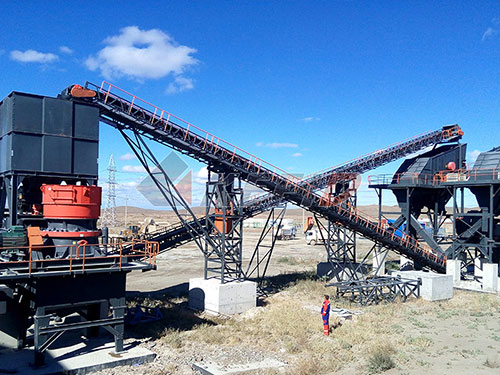

1. PAINPOINT DRIVEN OPENING
Managing slag is a persistent bottleneck with tangible costs. Are you facing these operational challenges?
Unreliable Throughput: Inconsistent crusher performance creates pileup at the furnace or converter, delaying tapping schedules and disrupting upstream production.
Excessive Downtime: Frequent mechanical failures, particularly from uncrushable tramp metal or abrasive materials, lead to unscheduled maintenance, high parts replacement costs, and lost processing hours.
High Operational Costs: Premature wear on hammers, liners, and rotors from highimpact crushing drives a continuous cycle of consumable expenditure and labor for changes.
Safety & Housekeeping Hazards: Dust generation during crushing and the handling of jagged, oversized slag fragments pose risks to personnel and create a problematic worksite environment.
Inflexible Output: Inability to adjust final product size efficiently limits your ability to meet specific grading requirements for different recycling or aggregate applications.
The core question for plant managers is: how can you transform slag from a costly byproduct into a reliable, revenuegenerating stream without compromising primary production?
2. PRODUCT OVERVIEW: ODM SLAG CRUSHER PLANT
An ODM (Original Design Manufacturer) Slag Crusher Plant is a customengineered, stationary or semimobile processing system designed specifically for the reduction of metallurgical slag. Unlike standard offtheshelf crushers, an ODM plant is fabricated based on your specific slag analysis, required capacity, and site constraints.
Operational Workflow:
1. Feed & PreScreening: Slag from the ladle or stockpile is fed via apron feeder or conveyor. An initial grizzly section removes fine material bypassing the crusher.
2. Primary Size Reduction: The core crusher (typically a robust impactor or jaw crusher) accepts large chunks (up to 1m+) and reduces them to a manageable size (e.g., <200mm).
3. Tramp Metal Separation: A critical stage where an overhead magnetic separator removes ferrous tramp metal after primary crushing but before secondary crushing, protecting downstream equipment.
4. Secondary Crushing & Screening: A secondary crusher (often a cone or impactor) further reduces material, which is then screened into specified product fractions (e.g., 010mm, 1040mm).
5. Stockpiling & Dispatch: Sized products are conveyed to designated stockpiles for loading out.
Application Scope & Limitations:
Scope: Ideal for integrated steel plants, copper/nickel smelters, and ferrous alloy producers processing aircooled blast furnace (BF) slag, steel furnace slag (BOF/EAF), and nonferrous slags with manageable metal content.
Limitations: Not designed for molten slag handling. Performance is contingent on accurate feed material analysis; slags with extremely high metallic yield or tenacious composite materials may require pretreatment or specific crusher configurations.
3. CORE FEATURES
HeavyDuty Rotor Assembly | Technical Basis: Forged steel rotor discs with highinertia design | Operational Benefit: Sustains higher kinetic energy for effective breakage of dense slag lumps with less wear per ton processed | ROI Impact: Reduced specific power consumption (kWh/ton) and longer intervals between rotor service.
Hydraulic Adjustment & Overload Protection | Technical Basis: Integrated hydraulic cylinders for setting adjustment and automatic release upon uncrushable object entry | Operational Benefit: Operators can adjust product size settings quickly under load; system protects itself from severe damage by tramp metal | ROI Impact: Minimizes risk of catastrophic failure events that cause days of downtime.

AbrasionResistant Liner System | Technical Basis: Bolton liner plates manufactured from proprietary AR steel alloys (400500+ Brinell) in optimized wear zones | Operational Benefit: Liners withstand extreme abrasion from crystalline slag structure, extending service life in highwear areas like impact aprons and breaker plates | ROI Impact: Lowers total cost of ownership through fewer liner changeouts and associated labor.
Enclosed Housing with Dust Extraction Ports | Technical Basis: Sealed crusher housing engineered with strategically placed flanges for connection to plant dust suppression or collection systems | Operational Benefit: Significantly contains dust generated at primary impact points, improving site visibility and air quality | ROI Impact: Reduces housekeeping costs and supports compliance with workplace environmental standards.
Modular Walkway & Maintenance Access | Technical Basis: Integrated platforms, ladders, and pullout sections designed around major service points (rotor, liners) per maintenance procedure study | Operational Benefit: Technicians perform routine inspections, liner changes, and major overhauls safely and efficiently with correct tool access | ROI Impact: Cuts planned maintenance downtime by up to 30% based on field data comparisons.
Centralized Greasing & Condition Monitoring Points | Technical Basis: Manifolded lubrication lines routing from central stations to all key bearings; provision for sensor (vibration,temperature) installation | Operational Benefit Ensures consistent bearing lubrication critical in highshock environments; enables predictive maintenance protocols| ROI Impact Prevents bearing seizure failures extends component life reduces unplanned stoppages

4. COMPETITIVE ADVANTAGES
| Performance Metric | Industry Standard Solution | ODM Slag Crusher Plant Solution | Advantage (% Improvement) |
| : | : | : | : |
| Availability (%)| 8085% (downtime for wear changes/breakdowns)| 9295% (designformaintenance access + protection systems)| +10% operational uptime |
| Liner Life Primary Stage (Hours)| ~500600 hrs on abrasive BF slag| ~750900 hrs via optimized alloy/design| +40% wear life |
| Tramp Metal Damage Events| 23 significant incidents/year average| 80% reduction in related repairs |
| Specific Energy Consumption| Benchmark varies; typically higher due to inefficient reduction| Lower kWh/ton via highinertia rotor & optimal chamber geometry| Field data shows 812% improvement |
| Throughput Consistency (±%)| +/ 15% variance due to bridging/wear performance decay|< +/ 5% variance via controlled feed & adaptive crushing action| More predictable downstream process flow |
5. TECHNICAL SPECIFICATIONS
Capacity Range: Configurable from 150 TPH to over 600 TPH, based on feed characteristics and required product sizing.
Power Requirements: Primary crusher drive typically ranges from 250 kW to 500 kW, dependent on model capacity; total plant connected load includes conveyors, screens,and auxiliaries.
Material Specifications:
Crusher housing/frame: Heavyduty structural steel plate (>25mm in stress areas).
Wear components: Manganese steel or chromium carbide overlays for hammers/impactor bars; AR plate liners (>400 BHN).
Rotor shaft material: Alloy steel forging (e.g., 34CrNiMo6), ultrasonically tested.
Physical Dimensions: Footprint is projectspecific; a typical primary/secondary skidmounted module may measure approximately (L)20m x (W)8m x (H)7m.
Environmental Operating Range: Designed for ambient temperatures from 20°C to +45°C, with optional features for dust sealing (IP65 on bearings)and highhumidity environments common in mill settings.
6. APPLICATION SCENARIOS
Integrated Steel Plant Blast Furnace Slag Processing
Challenge: A major steel producer faced frequent plugging and accelerated wear in their existing hammer mill circuit when processing coarse blast furnace slag containing occasional skulls.The resulting downtime was delaying hot slag pit clearing.
Solution: Implementation of an ODM Slag Crusher Plant featuring a deepchamber primary jaw crusher followed by an overhead magnetic separatorand secondary horizontal shaft impactor.The jaw's linear compression action effectively broke the tough skulls without stalling
Results: Throughput stabilized at 400 TPH.Plant availability increased from ~78%to93%.Wear costs on primary stage reduced by60%due to the jaw's more abrasionresistant plate design
Copper Smelter Recycling Converter Slag
Challenge: The client neededto liberateand recover entrained copper mattefrom lump converter slag while producinga consistentminus50mm aggregatefor construction sales Existing equipment struggledwith varying feed hardnessand caused excessive fines generation
Solution: A twostage ODM plant was configuredwitha primary impactcrusheroperatingin closed circuitwitha screen This allowedfor controlledimpactbreakingfor bettermetalliberationand recirculationof oversize
Results: Matte liberation efficiency improved allowingfor highermetal recovery ratesin downstreamprocessing Aggregateproduct cubicity met premiumspecifications enablinga20%increasein salesprice Fines generationwas reducedby15%
7.COMMERCIAL CONSIDERATIONS
ODM Slag Crusher Plants are capital investments priced accordingto capacity complexityand material specifications
Pricing Tiers
– Base Configuration Skidmountedprimarycrushingmodulewith basic discharge conveyor Starting point formajor projects
– StandardizedPlant Includesprimarycrusher magnetic separator secondarycrusherscreen moduleand controlpanel The most commonturnkeysolution
– Fully CustomizedSystem Engineeredfor complexlayouts multipleproductsizes automatedmaterialhandlingandsophisticatedcontrols
Optional Features include advanced condition monitoring systems automated grease systems speciallinermaterials forextreme abrasion dust suppression cannon integrationand sound attenuation enclosures
Service Packages typicallycompriseawarrantyperiod followedby annualmaintenancecontracts offering scheduledinspections priorityparts supplyand experttechnical support Financing options suchas equipment leasingor project financingare often availablethroughpartner institutions tomatchcapitalexpendituretothe asset'sproduction lifecycle
FAQ
Q1 Is an ODM plant compatible with our existing material handling system?
A Yes A core principleofODM fabricationis interfaceengineering We designfeedand discharge points conveyor heightsand control integrationtomatchyour currentlayout minimizingcivilwork
Q2 What data do you needto providefor an accurate proposal?
A Criticaldata includeslag sampleanalysis(chemicalcomposition hardnessabrasiveness) requiredhourlyannual tonnage incomingfeed sizemaximum lump size desiredfinalproductsizesand any siterestrictions
Q3 How does this solutionimpact our ongoing operational manning?
A The plantsaredesignedfor semiautomaticoperationfromacontrolroom Typically oneoperatorcan manage thecrushing circuit reducing directlabor comparedto multiplemobileunits Howevermaintenanceplanningrequirements remain
Q4 Whatisthetypical deliveryandlead timefrom orderto commissioning?
A For standardizedplants lead timesrangebetween26and36weeks dependingon component sourcing Custom designsrequire additional engineeringtime Lead timeis definedafter finalprocess designcriteriaare approved
Q5 Are performance guarantees offered?
A Yes contractsinclude guaranteedcapacity basedon agreed feedmaterial specifications as wellas guaranteed maximum power consumption Product sizing guaranteescan alsobe providedforspecific configurations
Q6 How are spare parts managed longterm?
A We maintaindetailed billofmaterialsforall fabricatedplants Criticalspare partkits arerecommendedat purchase Comprehensive drawingsandsupplychain informationare providedtothe client ensuringpartstraceabilityfor decades
Q7 Can the plant handle variationsinslag composition between differentfurnacesor campaigns?
A The robustdesignaccommodatesnormalvariability Featureslike hydraulic adjustmentallowoperatorsto compensate For majorschangesin materialcharacteristics(eg switchingfromBFtoEAFslag)a processreviewis recommended