
ODM Iron Ore Crushing Plant Factories

1. PAINPOINT DRIVEN OPENING
Managing an iron ore crushing circuit presents distinct and costly operational hurdles. Are you contending with premature wear on liners and blow bars from highly abrasive hematite or magnetite, leading to excessive spare parts inventory and unplanned maintenance windows? Is unpredictable feed size or moisture content causing frequent chokeups in your primary crusher, stalling your entire processing line for hours? Are you struggling to achieve consistent, inspec product sizing for downstream beneficiation, resulting in inefficient grinding and pelletizing? Each hour of unscheduled downtime in a primary crushing stage can cost tens of thousands in lost throughput. The question for plant managers is clear: how do you build resilience, predictability, and costcontrol into the very foundation of your mineral processing operation?
2. PRODUCT OVERVIEW
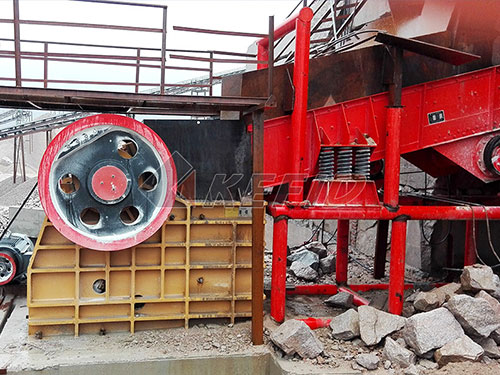
An ODM iron ore crushing plant is a heavyduty, engineeredtoorder system designed for the primary, secondary, and tertiary reduction of runofmine (ROM) iron ore into a controlled product size for further processing. The operational workflow typically involves: 1) Primary Crushing: Large ROM ore (up to 1.5m) is reduced by a jaw or gyratory crusher. 2) Secondary Crushing: Cone crushers further reduce the material, often in closed circuit with screens. 3) Screening & Tertiary Crushing: Vibrating screens classify material; oversize is routed to additional crushers (e.g., highpressure grinding rolls for fine crushing) to achieve target product size. These systems are engineered for hightonnage, continuous operation but require controlled feed and are limited by the specific geomechanical properties (abrasion index, compressive strength) of the ore body.
3. CORE FEATURES
Modular, HeavyDuty Frame Construction | Technical Basis: Fabricated from hightensile steel with reinforced stress points and modular design for transport and assembly. | Operational Benefit: Provides exceptional stability under dynamic loads, reduces onsite construction time by up to 30%, and allows for future plant reconfiguration or expansion. | ROI Impact: Lower capital installation costs and extended structural lifecycle with minimal foundation requirements.
AbrasionResistant Material Flow System | Technical Basis: Liner plates, chutes, and wear surfaces utilize AR400/500 steel or ceramiclined composites in highimpact zones. | Operational Benefit: Dramatically extends service intervals for wear components in contact with highly abrasive iron ore fines and fragments. | ROI Impact: Reduces annual wear part expenditure by an industryverified 1525% and decreases downtime associated with liner changeouts.
Intelligent Crusher Drive & Control System | Technical Basis: Variable frequency drives (VFDs) paired with PLCbased automation that monitors power draw, pressure, and temperature. | Operational Benefit: Enables softstart capability to reduce mechanical stress and allows operators to optimize crusher performance in realtime based on feed conditions. | ROI Impact: Lowers energy consumption per ton crushed by up to 10% and prevents costly damage from tramp metal or overload events.
Integrated Dust Suppression & Containment | Technical Basis: Strategically placed spray nozzles creating a micronsized water curtain, combined with sealed transfer points and baghouse options. | Operational Benefit: Effectively controls silica dust at crusher discharge and transfer points, ensuring compliance with health/safety regulations (e.g., MSHA/OSHA). | ROI Impact: Mitigates risk of regulatory shutdowns and reduces longterm equipment wear caused by abrasive dust ingress.
Predictive Maintenance Data Integration | Technical Basis: Sensor telemetry (vibration, temperature) from critical bearings and the crusher itself fed into a centralized monitoring platform. | Operational Benefit: Alerts maintenance teams to developing issues like bearing wear or misalignment before they cause catastrophic failure. | ROI Impact: Transforms maintenance from reactive to planned, increasing overall equipment availability (OEA) by an average of 8%.
4. COMPETITIVE ADVANTAGES
| Performance Metric | Industry Standard Baseline | ODM Iron Ore Crushing Plant Solution | Advantage (% Improvement) |
| : | : | : | : |
| Availability (OEE) | 8588% | 9294% | +6% (+150 hrs/yr uptime) |
| Liner Life (Primary) | ~800k MT throughput| ~1.1M MT throughput| +37% |
| Energy Efficiency| 0.8 1.2 kWh/ton| 0.7 0.95 kWh/ton| Up to 21% |
| Installation & Commissioning Time| 1620 weeks |1215 weeks |25% |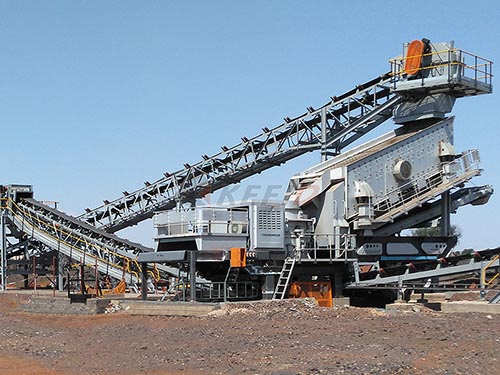
\Based on continuous operation.\\Varies based on ore abrasiveness.\\\At tertiary stage.\\\\Dependent on product size reduction ratio.\\\\\For a semimobile plant configuration.\\\\\\From delivery to full operation.
5.TECHNICAL SPECIFICATIONS
Capacity Range: Configurable from 500 to over 3,000 tonnes per hour (TPH).
Power Requirements: Primary crusher drive typically ranges from 200 kW to over 600 kW; total plant connected load is systemdependent.
Material Specifications: Primary structure: S355JR steel; Wear liners: AR400500 steel or equivalent chromium iron; Crusher mantles/concaves: Manganese steel alloys.
Physical Dimensions (Example SemiMobile Primary Module): Approx L20m x W6m x H7m; total weight ~250400 metric tons.
Environmental Operating Range: Designed for ambient temperatures from 20°C to +45°C; dust protection rating IP65 for electrical components; capable of handling ore moisture up to 8% without significant performance degradation.
6\. APPLICATION SCENARIOS
LargeScale Open Pit Mine Expansion
Challenge: A major magnetite producer needed to double primary crushing capacity within a constrained brownfield site footprint while minimizing disruption to existing operations.
Solution: Implementation of a semimodular ODM iron ore crushing plant featuring a largecapacity gyratory crusher on a preassembled base frame.
Results: The modular design reduced onsite construction time by 35%. The new circuit achieved a sustained throughput of 2,400 TPH at a consistent product size of minus250mm.
MidSize Hematite Processing Upgrade
Challenge: Chronic chokefeed events at the secondary cone crusher due to fluctuating feed gradation were causing weekly downtime averaging six hours.
Solution: Integration of an ODMdesigned surge bin with intelligent level sensors and VFDcontrolled feeder between primary and secondary stages within the new crushing plant layout.
Results: Feed regulation eliminated choke events entirely within the first quarter of operation. Plant availability increased by approximately five percentage points annually.
7\. COMMERCIAL CONSIDERATIONS
ODM iron ore crushing plants are offered across three primary tiers:
1\. Standardized Modules ($2M$5M): Preengineered primary or secondary crushing stations with defined capacity limits.
2\. Custom Configured Systems ($5M$15M): Fully integrated circuits tailored to specific ore characteristics and final product requirements.
3\. Turnkey Plant Solutions ($15M+): Endtoend designbuildinstall projects including all civil works.
Optional features include advanced automation packages (with digital twin integration), specialized wear liner materials contracts,and mobile/trackmounted configurations.Financing options typically include capital lease agreements or project financing partnerships.Service packages range from basic commissioning support through comprehensive multiyear maintenance agreements guaranteeing parts availabilityand fixedcostperton service rates.
8\. FAQ
Q1 How do you ensure technical compatibility with our existing conveying infrastructure?
A detailed material flow analysis is conducted during the predesign phase.We engineer transfer heights discharge trajectoriesand chute angles specificallyto interfacewith your downstream conveyor specifications ensuring cohesive integration
Q2 What is the typical operational impact during commissioning?
Our phased commissioning process minimizes impact.Field engineers work alongside your crewto progressively ramp up tonnage overa planned periodtypically achieving full design capacity within two weeksof initial feed introduction
Q3 Can these plants handle lateritic ores which can be sticky at higher moisture levels?
Yesdesign modifications such as nonblinding screen decksimpactresistant rubber liningin fines chutesand targeted heat tracingcan be incorporatedThe operational range must be defined during project scoping based on your specific material testing data
Q4 What are standard payment terms?
Typicallya structured milestone payment scheduleis used alignedwith major deliverables such as engineering approvalmajor component fabricationfactory acceptance testingand final site commissioning
Q5 How long does implementation takefrom order placementto operational status?
For custom configured systemslead times generally range between10to14 monthsdependingon complexityThis includes detailed engineeringmanufacturingshop assemblytestingand sea freightDelivery schedulesare contractually defined
Q6 Do you provide performance guarantees?
Yeswe provide contractual guaranteesfor rated throughputproduct size distribution(PSD)and total system power consumptionThese are validatedduringthe final performance acceptance test conducted at your site
Q7 What levelof operator trainingis included?
Comprehensive trainingis provided coveringnormal operationshutdown sequencesroutine maintenance proceduresand basic troubleshootingTraining includes both classroom instructionand handson sessionsat the commissionedplant