
Perolehan Pembekal Loji Penghancur Kuari Batu

1. PEMBUKAAN PAINPOINT DRIVEN
Managing a stone quarry crushing plant requires balancing relentless production demands with controlling operational costs. Cabaran biasa termasuk:
Masa Henti Tidak Berjadual: Component failures in primary crushers or conveyors can halt your entire production line, menelan belanja ribuan sejam dalam kehilangan hasil dan buruh terbiar.
Kos Penyelenggaraan Tinggi: Penggantian alat ganti yang kerap, especially for jaw plates, mantel, dan cekung, drives up your costperton and creates logistical headaches.
Penggredan Produk Tidak Konsisten: Outdated or poorly configured crushing stages produce offspec aggregate, membawa kepada penolakan produk, stockpile contamination, and lost sales.
Ketidakcekapan Tenaga: Older crushing plants with mismatched components consume excessive power, secara langsung menghakis margin keuntungan.
Scalping & Contamination Issues: Ineffective removal of fines and deleterious materials before primary crushing reduces capacity and accelerates wear.
Are you evaluating how to increase your plant's uptime, achieve a more consistent product curve, and reduce your longterm operating expenses? The foundation of a solution lies in selecting the right stone quarry crushing plant.
2. GAMBARAN KESELURUHAN PRODUK
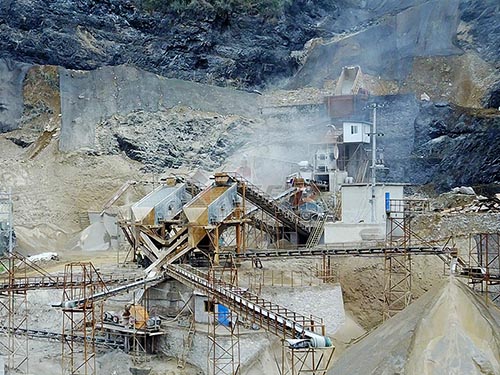
A modern stationary stone quarry crushing plant is an integrated system of heavyduty machinery designed to reduce blasted rock into specified aggregate sizes. The typical workflow involves:
1. Penghancuran utama: Large dump trucks feed shot rock into a primary jaw crusher or gyratory crusher for initial size reduction.
2. Menghancurkan sekunder & Pemeriksaan: The output is conveyed to secondary cone or impact crushers for further reduction and then screened to separate sized product.
3. Penghancuran Tertiari/Halus: Oversize material is recirculated through tertiary crushers (often cone crushers) to achieve precise cubical product specifications.
4. Pengendalian bahan & Stok: Finished aggregates are conveyed to designated stockpiles via radial stackers.
Skop Permohonan: This equipment is engineered for highvolume production of construction aggregates (mis., kursus asas, batu konkrit, kerepek asfalt) from hard rock formations like granite, batu kapur, dan perangkap batu.
Batasan: Plant configuration must be matched to feed material characteristics (abrasiveness, kekerasan, kandungan silika) dan spesifikasi produk akhir yang diperlukan. Highly mobile or temporary sites may require portable crushing solutions instead.
3. CIRI TERAS
Geometri Dewan Lanjutan | Asas Teknikal: Kinematik yang dioptimumkan & reka bentuk rongga | Faedah Operasi: Menghasilkan yang lebih konsisten, cubical product with fewer flaky particles | Kesan ROI: Higher market value for premium aggregates and reduced waste
Pelarasan Tetapan Hidraulik | Asas Teknikal: Computercontrolled hydraulic rams for CSS changes | Faedah Operasi: Allows operators to adjust product size in minutes without stopping the crusher | Kesan ROI: Increased plant flexibility and throughput by minimizing downtime for mechanical adjustments
Pampasan Keausan Automatik | Asas Teknikal: PLCdriven logic that adjusts crusher parameters as liners wear | Faedah Operasi: Maintains consistent product gradation over the full liner life | Kesan ROI: Maximizes liner utilization and ensures continuous production of onspec material
Bingkai Fabrikasi Tugas Berat | Asas Teknikal: Analisis Unsur Terhingga (FEA)designed steel construction | Faedah Operasi: Menyediakan ketahanan yang luar biasa di bawah beban kitaran dan getaran | Kesan ROI: Reduces risk of catastrophic frame failure and extends the operational lifespan of the core asset
Centralized Greasing & Sistem Pelincir | Asas Teknikal: Automated lubrication delivery to critical bearings | Faedah Operasi: Memastikan perlindungan galas yang optimum dengan campur tangan manual yang minimum | Kesan ROI: Lowers bearing failure rates by an average of 40%, mencegah kerosakan sekunder yang mahal
4. KELEBIHAN KOMPETITIF
| Metrik Prestasi | Piawaian Industri | Penyelesaian Loji Penghancur Kuari Batu Kami | Kelebihan (% penambahbaikan) |
| : | : | : | : |
| Kehidupan Pelapik Penghancur (Batu Abrasive) | ~450,000 tan setiap set | Up to ~600,000 tons per set with proprietary alloys & reka bentuk| +33% |
| Average Power Consumption per Ton Crushed| 0.85 1.1 kWj/tan| 0.72 0.95 kWh/tonne via optimized drives & kecekapan ruang| Hingga 15% pengurangan |
| Masa Min Antara Kegagalan (MTBF) Komponen Utama| ~2,100 hours| ~3,000 hours based on field service data| +43% |
| Bentuk produk (% Kubik) Peringkat Menengah| Biasanya 6575%| Secara konsisten 7885% melalui pengoptimuman ruang| +1015 mata peratusan |
5. SPESIFIKASI TEKNIKAL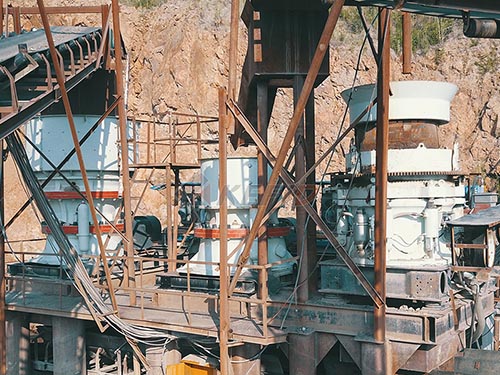
Julat Kapasiti: Boleh dikonfigurasikan daripada 200 TPH berakhir 1,200 Keluaran produk akhir TPH.
Pilihan Penghancur Utama: Kursus rahang (900 x 1200mm hingga 1500 x 2000mm bukaan suapan) atau Penghancur Gyratory Utama (54Model ” – 60”.).
Keperluan kuasa: Jumlah kuasa loji yang disambungkan biasanya terdiri daripada 500 kW for compact setups to over 2 MW untuk pemasangan berskala besar.
Spesifikasi Bahan Utama: Kekuatan tinggi dipadamkan & tempered steel for frames; Keluli mangan (Mn14% Mn22%) for wear liners; Premiumgrade roller bearings throughout.
Dimensi Fizikal (Typical Primary/Secondary Module): Approximately 25m L x 18m W x 12m H (foundation footprint varies).
Julat Operasi Persekitaran: Direka untuk suhu ambien dari 20°C hingga +45°C; sistem penindasan habuk adalah penting; pakej pengurangan bunyi tersedia.
6. SENARIO APLIKASI
Granite Quarry Operations – Southeast US
Cabaran: A large granite quarry faced excessive downtime due to premature failure of secondary cone crusher bronze bushings every 810 weeks under highload conditions.
Penyelesaian: Implementation of a new tertiaryfocused stone quarry crushing plant featuring cone crushers with advanced roller bearing technology instead of traditional bushings.
Keputusan: Bearing inspection intervals extended to over one year; unscheduled downtime related to the secondary/tertiary stage reduced by an estimated 300 jam setiap tahun.
Limestone Aggregate Producer – Midwest US
Cabaran: Inability to consistently meet state DOT specifications for washed concrete stone due to poor particle shape from older impact crushers generating excess fines.
Penyelesaian: Replacement of legacy horizontal shaft impactors with a configured plant using multicylinder hydraulic cone crushers in secondary and tertiary roles.
Keputusan: Product cubicity improved from an average of 68% ke atas 82%, achieving DOT approval. Yield of premiumgrade concrete stone increased by 18%, while waste fines decreased proportionally.
7. PERTIMBANGAN KOMERSIL
Loji penghancur kuari batu ialah pelaburan modal yang ditawarkan dalam konfigurasi bertingkat:
Tahap Konfigurasi Asas ($1.5M $3J): Termasuk modul penghancur utama, basic secondary screening module, penghantar, and electrical control panel suitable for standard aggregate production.
Peringkat Kapasiti Tinggi ($3M $6M): Incorporates larger primary units, multiple secondary/tertiary crushing stages with automated control systems (ASri), advanced dust suppression/washing modules.
Peringkat Kejuruteraan Tersuai ($6M+): Fully bespoke plants designed for specific feed materials or complex product blends; includes comprehensive automation (PLC/SCADA).
Optional features include automated metal detection/tramp relief systems on feeders; alat penimbang di atas kapal; advanced noise enclosures; pakej telematik pemantauan jarak jauh.
Service packages range from basic commissioning support up through comprehensive multiyear maintenance agreements including scheduled inspections and parts discounts.
Financing options typically include equipment leasing structures tailored for cash flow management or traditional capital loans facilitated through partner institutions.
Soalan Lazim
1. Q: How do we determine if a jaw or gyratory crusher is better as our primary unit?
A: The choice depends on feed size/material hardness/capacity needs.Gyratories generally suit higher tonnage (>900 Tph) applications with slabby feed.Jaw crushers offer lower initial cost flexibility.We provide detailed application analysis using your feed gradation data.
2.Q:Apakah garis masa pemasangan biasa?
A.For a complete turnkey stationary plant site preparation foundation pouring mechanical erection electrical connection commissioning requires approximately69 months depending on scale complexity weather conditions
3.Q.How does this equipment integrate with our existing screens conveyors?
A.Interfacing with legacy equipment is standard engineering practice We assess your current system’s capacity transfer points control logic provide necessary interface modules chutes structural supports ensure compatibility
4.Q.What are the ongoing operational training requirements?
A.We supply comprehensive operator maintenance training at commissioning Additional digital resources technical manuals available Ongoing training recommended when new personnel join but system controls are designed intuitive operation
5.Q.What warranty coverage applies?
A.Structural components carry upto10year warranty Major mechanical components like shafts bearings have2year coverage Wear parts consumables have separate warranties based on runtime tonnage thresholds Specific terms provided proposal
6.Q.Can you provide detailed energy consumption projections?
A Yes Based on your specific material characteristics target product sizes proposed flow sheet we generate modeled power consumption reports using historical performance data allowing accurate operational budgeting
7.Q.Are spare parts readily available locally?
A We maintain regional inventory hubs critical common wear parts strategic locations Additionally authorized local dealers stock range consumables Our supply chain structured ensure>90% part availability within24hours North America