
Spring Cone Crusher

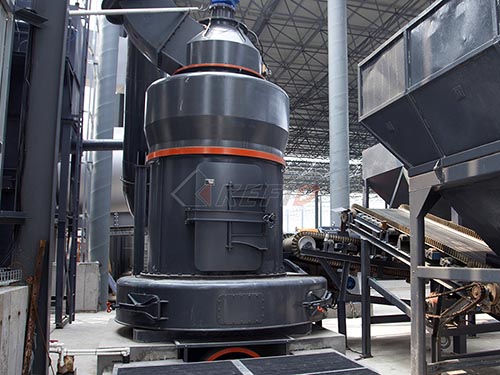
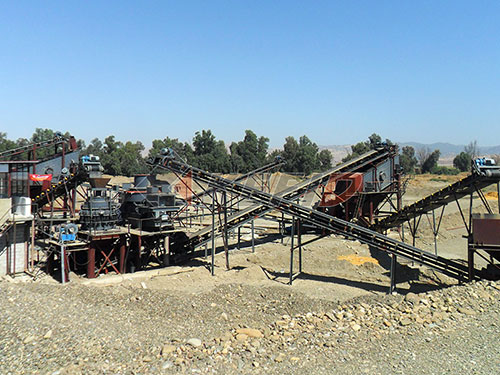
A Spring Cone Crusher is a type of secondary or tertiary crushing equipment widely used in mining, metalurgi, pembinaan, dan pengeluaran agregat. It is designed to crush hard and medium-hard materials like iron ore, batu kapur, granit, basalt, dan kuarza.
Komponen utama & Working Principle
1. Menghancurkan ruang: Consists of a fixed concave (outer liner) and a movable mantle (inner cone) that gyrates under eccentric motion.
2. Spring Safety System: A set of springs around the frame acts as an overload protection mechanism. If uncrushable material enters the chamber, the springs compress to widen the discharge opening and release the foreign object, preventing damage.
3. Aci eksentrik & Putaran: Driven by a motor via belts/pulleys, the eccentric shaft causes the mantle to oscillate, crushing material against the concave.
4. Discharge Adjustment: The gap between the mantle and concave can be adjusted to control output size (coarse to fine).
Kelebihan
- Reliable Overload Protection: Springs absorb shock from tramp iron or hard materials.
- Kecekapan penghancuran yang tinggi: Suitable for medium/fine crushing with good particle shape.
- Simple Structure & Penyelenggaraan Rendah: Fewer hydraulic components compared to hydraulic cone crushers.
Batasan
- Less automated than hydraulic cone crushers (mis., no real-time
justment).
- Lower capacity compared to modern hydraulic models for large-scale operations.
Aplikasi
- Perlombongan (bijih besi, bijih tembaga).
- Penggalian (batu kapur, granit).
- Agregat pembinaan jalan.
Comparison with Hydraulic Cone Crusher
| Ciri | Spring Cone Crusher | Penghancur Kon Hidraulik |
|--|--|--|
| Perlindungan beban | Mechanical springs | Hydraulic cylinders |
| Pelarasan | Manual | Automatic (hidraulik) |
| kos | Lebih rendah | Lebih tinggi |
| Automasi | Terhad | Maju (mis., Kawalan PLC)|
For modern high-capacity or automated crushing plants, hydraulic cone crushers are often preferred. Walau bagaimanapun, spring cone crushers remain cost-effective for small-to-medium operations requiring robustness and simplicity.
Would you like details on specific models or maintenance tips?