
Perkhidmatan Reka Bentuk Pengeluar Perlombongan Kerikil Pasir
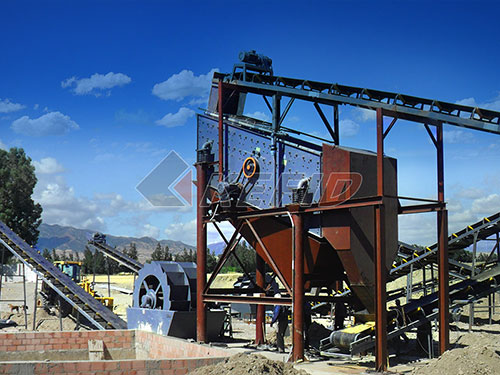

Mengoptimumkan Pasir & Pengeluaran Kerikil: Menangani Cabaran Operasi Teras
Adakah anda menguruskan bahan suapan yang tidak konsisten yang mengganggu kecekapan keseluruhan loji basuh anda? Bergelut dengan kos tinggi dan masa henti yang berkaitan dengan penggantian panel skrin yang kerap? Bimbang kehilangan denda yang dilaporkan kepada pembaziran, secara langsung memberi kesan kepada hasil dan keuntungan boleh pulih anda? Untuk pengurus loji dan kontraktor kejuruteraan, ini bukan kesulitan kecil—ia adalah halangan penting kepada kebolehpercayaan operasi dan perlindungan margin. Bagaimanakah anda mencapai produk spesifikasi yang konsisten sambil mengawal kos penyelenggaraan dan memaksimumkan pemulihan bahan daripada setiap tan yang diproses? Penyelesaiannya terletak pada peringkat pemisahan kritikal: berprestasi tinggi tangki pengelasan pasir.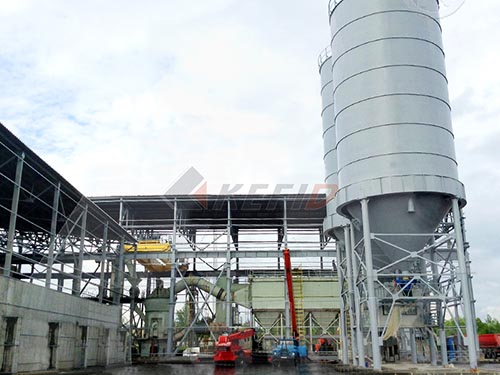
Gambaran Keseluruhan Produk: Pengelasan Hidraulik Ketepatan untuk Pemprosesan Agregat
A tangki pengelasan pasir ialah sistem pengelasan hidraulik yang direka untuk memisahkan zarah pasir mengikut saiz dan ketumpatan menggunakan aliran air arus menaik terkawal. Ia adalah komponen teras dalam pembasuhan pasir dan loji benefisiasi, menggantikan atau meningkatkan kaedah yang kurang cekap seperti siklon atau pencuci skru untuk pengasingan bahan halus.
Aliran Kerja Operasi:
1. Salur masuk buburan: Buburan air pasir daripada skrin basuh atau hidrosizer memasuki kotak suapan.
2. Penyelesaian Terkawal: Buburan mengalir merentasi satu siri ruang atau sel. Dalam setiap sel, aliran air menaik yang dikawal dengan tepat menghasilkan hidraulik "teeter" atau katil terbendalir.
3. Pemisahan Berasaskan Saiz: Zarah yang lebih halus daripada titik potong dibawa ke atas oleh arus air dan melimpah ke empangan sebagai produk. Lebih berat, zarah yang lebih kasar mendap melawan arus dan dilepaskan dari bahagian bawah setiap sel.
4. Pengalihan Produk: Injap pada setiap pelepasan membenarkan untuk mengadun atau mengalihkan produk pasir yang berbeza (mis., pasir konkrit, pasir batu) untuk mengasingkan stok simpanan.
5. Pengurusan Air: air limpahan, membawa kelodak dan tanah liat, dihantar ke litar rawatan air untuk penjelasan dan penggunaan semula.
Skop Permohonan & Batasan:
Skop: Ideal untuk membasuh dan mensaiz tepat pasir asli atau halus dihancurkan dalam julat lebih kurang 150 mesh (100 mikron) ke 3/16" (4.75mm). Penting untuk menghasilkan berbilang produk pasir inspec daripada satu sumber suapan.
Batasan: Bukan alat penyahair; produk memerlukan penyahairan lanjut melalui siklon, skrin, atau skrin penyahairan. Memerlukan bekalan air proses yang konsisten dan tidak sesuai untuk pengelasan kering.
Ciri Teras: Direka untuk Kawalan, Kecekapan, dan Hasil
Kami tangki pengelasan pasir reka bentuk adalah berdasarkan dekad kejuruteraan aplikasi lapangan. Setiap ciri menangani titik kesakitan tertentu dalam pemprosesan agregat.
Sistem Agihan Air Manifold | Asas Teknikal: Hidraulik Aliran Laminar | Faedah Operasi: Menyediakan pakaian seragam, arus menaik tidak berpusing merentasi seluruh kawasan sel untuk pemisahan saiz yang tepat. | Kesan ROI: Meningkatkan konsistensi produk sehingga 15%, mengurangkan beban offspec dan memaksimumkan hasil produk premium.
Pelapik Sel Poliuretana Tahan Pakai | Asas Teknikal: Kimia elastomer tahan lelasan | Faedah Operasi: Tahan lama pelapik keluli sebanyak 35x dalam zon pakaian tinggi, menghapuskan pembaikan kimpalan yang kerap. | Kesan ROI: Mengurangkan masa henti penggantian pelapik lebih 50% setiap tahun dan mengurangkan kos inventori alat guna pakai.
Injap Pengalih Jenis Diafragma | Asas Teknikal: Reka bentuk injap penuh digerakkan pneumatik | Faedah Operasi: Menyediakan boleh dipercayai, kawalan tidak menyumbat pelepasan pasir walaupun dengan ketumpatan suapan berubah-ubah. Operator boleh menukar adunan produk dalam beberapa saat. | Kesan ROI: Meningkatkan fleksibiliti loji untuk memenuhi permintaan pesanan yang berubah-ubah tanpa pemberhentian proses, mengoptimumkan peluang jualan.
Ketumpatan Bersepadu & Penderia Tahap | Asas Teknikal: Teknologi transduser tekanan bukan nuklear | Faedah Operasi: Menyampaikan data masa nyata pada paras katil dan ketumpatan dalam setiap sel untuk automasi kawalan proses. Pengendali anda boleh mengekalkan keadaan teeter yang optimum secara konsisten.| Kesan ROI: Mengautomasikan titik kawalan kritikal, menstabilkan prestasi merentas perubahan syif dan mengurangkan beban operator.
Reka Bentuk Sel Modular | Asas Teknikal: Bolttogether pembinaan keratan| Faedah Operasi: Memudahkan pengangkutan, pemasangan, dan pengubahsuaian tumbuhan masa hadapan. Sel individu boleh diservis tanpa membongkar keseluruhan tangki.| Kesan ROI: Mengurangkan masa pemasangan sehingga 30% dan meminimumkan kos pengembangan masa hadapan melalui keupayaan addon yang mudah.
Kelebihan Kompetitif: Prestasi Dipacu Data
| Metrik Prestasi | Piawaian Industri (Tangki Konvensional) | Penyelesaian Tangki Pengelas Pasir Kami | Kelebihan (% Penambahbaikan) |
| : | : | : | : |
| Hayat Panel Skrin pada Skrin Penyahairan | 46 minggu (disebabkan oleh penggredan makanan yang tidak konsisten) | 812 minggu (stabil, suapan yang dikelaskan dengan baik) | +100% Lanjutan Hidup |
| Denda Kehilangan kepada Kolam Mendap| 812% daripada bahan tolak 200mesh | 35% daripada bahan tolak 200mesh | Hingga 60% Pengurangan Kerugian |
| Masa untuk Melaraskan Campuran Produk| Pelarasan injap manual; 1520 minit| Kawalan injap automatik; <2 minit| ~90% Perubahan Lebih Pantas |
| Masa Henti Penyelenggaraan Pelapik Tahunan| 4060 jam untuk memotong/mengimpal keluli| <10 jam untuk pemeriksaan/penggantian poliuretana| ~80% Kurang Masa Henti |
| Penggunaan Air setiap Tan| Berbeza dengan ketara dengan kawalan manual| Dioptimumkan & aliran yang konsisten melalui kawalan automatik| Hingga 20% Pengurangan |
Spesifikasi Teknikal
Julat Kapasiti: Model boleh didapati daripada 50 TPH berakhir 500 kapasiti suapan pasir TPH.
Keperluan kuasa: Sistem beroperasi pada udara tumbuhan (80100 psi) untuk injap; panel kawalan pilihan memerlukan perkhidmatan standard 480V/3Ph/60Hz.
Spesifikasi Bahan: Struktur tangki diperbuat daripada keluli karbon ASTM A36 dengan pelapik poliuretana tahan lelasan (Keluli AR400 pilihan). Injap mempunyai diafragma getah asli dengan badan besi tuang.
Dimensi Fizikal (Contoh Model SCT200): Panjang: 24 ft / Lebar: 8 ft / Ketinggian:10 ft / Berat Operasi:12,000 lbs.
Julat Operasi Persekitaran: Direka untuk pemasangan luaran; julat suhu bendalir operasi 35°F (37°C) hingga +120°F (+49°C).
Senario Aplikasi
Pengeluaran Pasir Konkrit daripada Suapan Boleh Ubah
Cabaran: Kebolehubahan deposit pengeluar Midwest menyebabkan siklon sedia ada mereka kerap menghasilkan modulus kehalusan luar spesifikasi (FM) pasir, membawa kepada kadar penolakan yang tinggi。
Penyelesaian: Pemasangan tangki pengelasan pasir empat sel tersuai selepas skrin penyental, dengan kawalan automatik yang terikat pada monitor penimbangan berterusan。
Keputusan: Mencapai konsistensi FM dalam ±0。1 spesifikasi, produk offspec dikurangkan oleh 98%,dan peningkatan hasil pasir konkrit boleh dijual oleh 22% daripada makanan mentah yang sama。
Naik Taraf Pemulihan Silika Pasir Frac
Cabaran: Operasi sedia ada telah kehilangan nilai tinggi 70 mesh butiran silika kepada sisa kerana pengelasan yang tidak cekap, memberi kesan secara langsung kepada ekonomi rizab。
Penyelesaian: Penyepaduan tebing tangki pengelasan pasir bahan halus yang direka untuk pemotongan tajam di 100 mesh, menggantikan pengelas lingkaran lama。
Keputusan: Data medan menunjukkan pemulihan silika dalam pecahan saiz sasaran bertambah baik daripada 82% kepada 94%,bayaran balik yang dicapai dalam masa kurang dari sembilan bulan melalui peningkatan jumlah produk。
Pertimbangan Komersial
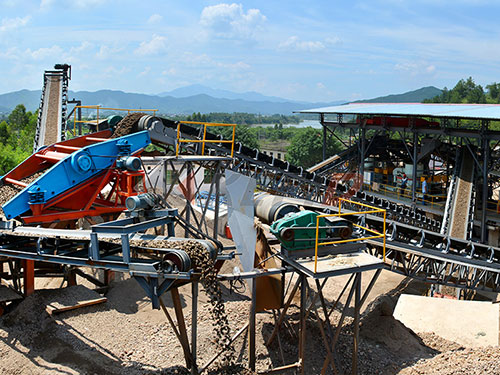
Peringkat Harga Peralatan:
Model Asas (Injap Manual, Kawalan Standard): Untuk menaik taraf bajet。
Model Premium (Injap Automatik, PLC dengan HMI): Disyorkan untuk loji baharu atau projek automasi utama。
Sistem Kejuruteraan Tersuai: Untuk aplikasi kompleks seperti pasir frac atau pasir industri。
Ciri Pilihan: Lapisan jubin seramik(untuk lelasan ultratinggi), pencuci limpahan dengan port suntikan flokulan, pakej skidmounted lengkap。
Pakej Perkhidmatan: Pilih daripada program pemeriksaan tahunan, kit penggantian pelapik,atau pemantauan jarak jauh yang komprehensif & langganan diagnostik。
Pilihan Pembiayaan: Pajakan pembiayaan peralatan modal tersedia melalui rakan kongsi, biasanya menawarkan terma fleksibel daripada 36 hingga 60 bulan。 Struktur Rentaltoown juga boleh diatur untuk kerja berasaskan projek。
Soalan Lazim(Soalan Lazim)
1。 Adakah peralatan ini serasi dengan loji basuh saya yang sedia ada?
ya。 Tangki pengelasan pasir direka bentuk sebagai unit modular。 Pasukan kejuruteraan kami akan menyemak susun atur loji anda,sumber suapan,dan produk yang dikehendaki untuk menentukan titik sambungan, keperluan pam,dan sokongan struktur。
2。 Apakah garis masa pemasangan biasa?
Untuk sistem standard, pemasangan di tapak biasanya memerlukan 57 hari dengan asas yang anda sediakan。 Sistem skidmounted boleh mengurangkan masa ini dengan ketara。
3。 Bagaimanakah ini memberi kesan kepada penggunaan air saya secara keseluruhan?
Ditala dengan betul,tangki pengelasan moden mengurangkan penggunaan air setiap tan dengan mewujudkan pengasingan yang lebih cekap。 Namun ia memerlukan tekanan air yang konsisten;reka bentuk kami mengoptimumkan kadar aliran yang selalunya membenarkan untuk mengecilkan atau mengoptimumkan pam edaran semula air。
4。 Apakah keperluan kemahiran pengendali utama?
Sistem ini memudahkan operasi melalui automasi。 Latihan asas memberi tumpuan kepada pemahaman antara muka kawalan dan titik pemeriksaan rutin dan bukannya pelarasan proses manual。
5。 Apakah jangka hayat struktur utama yang dijangkakan?
Dengan penyelenggaraan yang betul,struktur keluli karbon biasanya melebihi 20 tahun dalam perkhidmatan.Komponen haus(pelapis,diafragma)adalah barang habis pakai dengan selang penggantian yang boleh diramal didokumenkan dalam manual。
6。 Bolehkah anda memberikan jaminan prestasi?
Ya. Kami menyediakan jaminan bertulis untuk kapasiti pemprosesan bahan dan kecekapan klasifikasi berdasarkan analisis sampel suapan anda yang disediakan dan bersetuju dengan spesifikasi produk。
7。 Apakah rupa ketersediaan bahagian selepas pasaran?
Kami menyimpan bahagian haus kritikal(diafragma injap,pelapik poliuretana)di gudang serantaudengan jaminan penghantaran 48 jamuntuk pesanan kecemasan di bawah pelan perkhidmatan kami