
Loji Pemprosesan Peralatan Penghancur Ballast Kuari Komersial
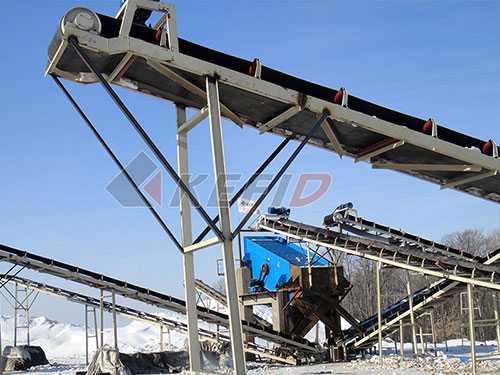

Loji Pemprosesan Peralatan Penghancur Ballast Kuari Komersial
1. PEMBUKAAN PAINPOINT DRIVEN
Adakah peningkatan kos operasi dan kualiti produk yang tidak konsisten menghakis keuntungan kuari anda? Untuk pengurus loji dan kontraktor kejuruteraan, menghasilkan balast kereta api yang mematuhi spesifikasi memberikan cabaran yang berbeza. Bahan suapan yang tidak konsisten membawa kepada beban edaran semula yang berlebihan, mempercepatkan haus pada pelapik penghancur dan meningkatkan masa henti yang tidak dirancang untuk penyelenggaraan. Pelarasan penggredan manual untuk memenuhi pengedaran saiz zarah yang ketat (JPA) piawaian mengakibatkan kehilangan hasil dan pemberian produk. Tambahan pula, peringkat penghancuran intensif tenaga yang tidak dioptimumkan untuk tugas khusus pengeluaran balast secara langsung meningkatkan metrik costpertonne anda. Adakah anda menguruskan konfigurasi semula peralatan yang kerap, penggunaan bahagian haus yang tinggi, dan kos tenaga yang menjejaskan margin projek anda? Penyelesaiannya terletak pada kilang pemprosesan yang direka bentuk khusus untuk permintaan ketat pengeluaran balast komersial.
2. GAMBARAN KESELURUHAN PRODUK
Sistem ini adalah khusus Loji Pemprosesan Peralatan Penghancur Ballast Kuari, direka bentuk sebagai penyelesaian pegun atau separuh mudah alih untuk pengeluaran agregat balast kereta api volum tinggi. Loji ini direka bentuk untuk mengubah batuan kuari mentah kepada gred tepat, bahan balast kubus yang memenuhi piawaian rel antarabangsa (mis., AREMA, RSSB).
Aliran Kerja Operasi:
1. Scalping Utama & Menghancurkan: Bahan yang dibuang mengalami scalping awal untuk menghilangkan denda, diikuti dengan penghancuran rahang primer untuk mengurangkan batu kepada saiz yang boleh diurus.
2. Sekunder & Pembentukan Tertiari: Bahan kemudiannya diproses melalui penghancur kon yang dikonfigurasikan untuk pengurangan dan pembentukan pertengahan, menghasilkan pecahan balast awal.
3. Saringan Akhir & Recirculation: Agregat yang dihancurkan disaring pada tugas berat, skrin berbilang dek. Tospecification cubical product dihantar ke stockpile. Bahan bersaiz besar diedarkan semula ke penghancur kon, manakala denda bersaiz kecil dialihkan untuk digunakan sebagai produk sampingan atau sisa.
Skop Permohonan & Batasan:
Skop: Sesuai untuk kontrak bekalan balast khusus, projek infrastruktur berskala besar, dan kuari dengan rizab batuan kompeten yang ketara (granit, basalt, batu perangkap).
Batasan: Tidak direka untuk memproses batu lembut atau sangat melelas tanpa pilihan pelapik khusus. Saiz suapan optimum biasanya dihadkan oleh pembukaan penghancur utama (mis., sehingga 900mm). Suapan konsisten batu yang diletupkan diperlukan untuk kecekapan maksimum.
3. CIRI TERAS
Ruang Penghancuran Adaptif | Asas Teknikal: Pelarasan CSS Hydroset & sistem kawalan automatik | Faedah Operasi: Mendayakan pelarasan masa nyata bagi tetapan sisi tertutup (CSS) semasa operasi untuk mengekalkan saiz produk sasaran walaupun keadaan suapan berubah | Kesan ROI: Mengurangkan kehilangan hasil sehingga 15% dan meminimumkan masa henti intervensi manual.
Pengoptimuman Produk Kubik | Asas Teknikal: Saringan berbilang lapisan dengan sudut dek ketepatan dan getaran frekuensi tinggi | Faedah Operasi: Memastikan pematuhan ketat kepada spesifikasi JPA (mis., 5025mm) dan meningkatkan bentuk zarah (kubis) untuk kestabilan katil trek yang unggul | Kesan ROI: Memaksimumkan hasil produk yang boleh dijual dan mengurangkan risiko penolakan daripada pihak berkuasa rel.
Pengurusan Beban Edaran Semula Bersepadu | Asas Teknikal: Penghalaan penghantar strategik dengan gelung maklum balas penderiaan beban | Faedah Operasi: Menguruskan aliran bahan edaran semula secara automatik untuk mengelakkan lebihan penghancur dan mengoptimumkan daya tampung | Kesan ROI: Melindungi peralatan hiliran daripada kerosakan dan mengekalkan kadar pengeluaran keadaan mantap.
Automasi PLC Berpusat | Asas Teknikal: Pengawal Logik Boleh Aturcara dengan antara muka mesin manusia (HMI) panel | Faedah Operasi: Membenarkan pengawal tunggal mengawal keseluruhan litar penghancuran, dari permulaan hingga penutupan, termasuk pemantauan prestasi | Kesan ROI: Mengurangkan keperluan buruh dan menyediakan data untuk pengoptimuman pengeluaran dan penjadualan penyelenggaraan pencegahan.
Rintangan Lelasan Tugas Berat | Asas Teknikal: Pelapik aloi besi krom tinggi dan keluli tahan lelasan pada titik haus kritikal | Faedah Operasi: Memanjangkan hayat operasi pelapik, apron, dan dek skrin dalam persekitaran penghancuran balast lelasan tinggi | Kesan ROI: Mengurangkan kekerapan penukaran bahagian haus dengan purata 30%, mengurangkan kedua-dua kos bahagian dan buruh penyelenggaraan yang berkaitan.
4. KELEBIHAN KOMPETITIF
| Metrik Prestasi | Penyelesaian Standard Industri | Penyelesaian Loji Penghancur Ballast Kuari | Kelebihan (% Penambahbaikan) |
| : | : | : | : |
| Hasil Produk (Balast InSpec) | 7582% | 8892% | +10% (Purata) |
| Penggunaan Tenaga setiap Tan | Garis dasar (100%) | Reka bentuk litar yang dioptimumkan & pemacu yang cekap | 18% |
| Kehidupan Pelapik dalam Batu Abrasive | ~120,000 tan | ~160,000 tan| +33% |
| Purata Masa Henti Tidak Dirancang/bulan| 1218 jam/bulan| 50% pengurangan |
5. SPESIFIKASI TEKNIKAL
Kapasiti/Penilaian: Boleh dikonfigurasikan daripada 200 ke 600 tan sejam (tph), bergantung kepada kekerasan batu dan saiz suapan.
Keperluan kuasa: Jumlah kuasa terpasang biasanya berkisar dari 350 kW kepada 800 kW untuk litar lengkap; dibekalkan untuk 400V/50Hz atau piawaian serantau lain.
Spesifikasi Bahan: Kejuruteraan untuk memproses batuan kompeten dengan kekuatan mampatan uniaxial (UCS) hingga 300 MPa. Komponen haus standard dinilai untuk bahan yang sangat kasar.
Dimensi Fizikal: Reka bentuk modular; jejak berbeza mengikut konfigurasi tetapi biasanya memerlukan tapak yang disediakan kira-kira 40m x 25m.
Julat Operasi Persekitaran: Direka untuk operasi dalam suhu dari 20°C hingga +45°C dengan sistem penindasan habuk pilihan dan penutup akustik untuk memenuhi peraturan tempatan.
6. SENARIO APLIKASI
Kontraktor Projek Rel Nasional HighVolume
Cabaran: Kontraktor memerlukan bekalan terjamin 500 tph daripada AREMA 4 balast untuk garis masa projek yang ketat tetapi menghadapi geologi suapan berubah-ubah menyebabkan skrin tersumbat berterusan dan produk luar spesifikasi.
Penyelesaian: Pelaksanaan Loji Penghancur Ballast Kuari khusus yang menampilkan scalping agresif mendahului penghancuran sekunder dan dek penapisan berkapasiti tinggi.
Keputusan: Mencapai pengeluaran yang konsisten 520 tph inspec bahan; mengurangkan pemberhentian berkaitan pencemaran lebih 80%, membolehkan segmen projek selesai dua minggu lebih awal daripada jadual.
Mempelbagaikan Barisan Produk Kuari Granit yang ditubuhkan
Cabaran: Seorang pengendali kuari meminta kemasukan ke dalam pasaran bekalan rel tetapi loji agregat sedia ada mereka tidak dapat mencapai indeks kubisiti yang diperlukan (<3% kekeringan) tanpa kehilangan daya pengeluaran yang ketara.
Penyelesaian: Penyepaduan penghancur kon peringkat tertiari dengan ruang kubisiti ke dalam barisan pemprosesan baharu yang dikonfigurasikan khusus untuk balast dalam pelan tapak sedia ada mereka.
Keputusan: Berjaya menghasilkan balast patuh EN 13450 di 280 tph sebagai barisan produk baru; meningkatkan hasil keseluruhan tapak sebanyak anggaran 22% tanpa mengganggu perniagaan agregat teras.
7. PERTIMBANGAN KOMERSIL
Harga peralatan mengikut struktur berperingkat berdasarkan kapasiti:
Peringkat A (<250 tph): Konfigurasi peringkat permulaan sesuai untuk menambah operasi sedia ada atau kontrak yang lebih kecil.
Peringkat B (250450 tph): Konfigurasi yang paling biasa menawarkan keseimbangan optimum antara perbelanjaan modal keluaran untuk pengeluaran balast komersial khusus.
Ciri pilihan termasuk sistem penindasan habuk termaju pemantauan jarak jauh pakej telematik sistem pelinciran automatik
Pakej perkhidmatan terdiri daripada sokongan pentauliahan asas melalui perjanjian penyelenggaraan berbilang tahun yang komprehensif termasuk ketersediaan alat ganti yang terjamin
Pilihan pembiayaan tersedia termasuk pemajakan peralatan pinjaman perbelanjaan modal
8. Soalan Lazim
1.Q Apakah tahap infrastruktur elektrik yang diperlukan di tapak?
A Loji memerlukan kuasa tiga fasa yang sepadan dengan jumlah penarafan kW yang dipasang Keperluan khusus diperincikan dalam dokumentasi perancangan prapemasangan
2.Q Bolehkah kilang ini memproses produk lain selain balast kereta api?
A Walaupun dioptimumkan untuk balast, ia boleh dikonfigurasikan semula melalui perubahan dek skrin pelarasan CSS menghasilkan agregat kasar lain seperti lapisan saliran atau bahan subbase walaupun pada kecekapan yang berpotensi lebih rendah daripada reka bentuk khusus
3.S Bagaimanakah sistem ini mengendalikan bahan suapan basah atau melekit?
A Pilihan termasuk scalper grizzly tugas berat dek skrin yang dipanaskan jenis media skrin alternatif Ciri ini menangani isu lekatan yang biasa berlaku dalam keadaan geologi tertentu
4.Q Apakah masa pemasangan biasa?
A Untuk loji modular pada asas yang disediakan pemasangan mekanikal biasanya memerlukan minggu Pengoptimuman pentauliahan menambah masa lagi Kerja sivil khusus tapak adalah pembolehubah berasingan
5.Q Adakah alat ganti sedia ada?
A Bahagian haus kritikal bahan habis pakai biasa dipegang rangkaian pengedaran global Perjanjian tahap perkhidmatan menjamin ketersediaan meminimumkan kos pegangan inventori pengendali
6.S Apakah latihan pengendali yang disediakan?
Latihan Komprehensif meliputi operasi biasa prosedur keselamatan penyelesaian masalah asas yang dijalankan semasa pentauliahan Modul tambahan kakitangan penyelenggaraan tersedia
7.Q Adakah jaminan prestasi ditawarkan?
A Jaminan prestasi Ya meliputi spesifikasi produk pemprosesan penggunaan tenaga yang ditawarkan tertakluk dipersetujui ciri bahan suapan keadaan tapak