
Litar penghancuran logam sulfida asas
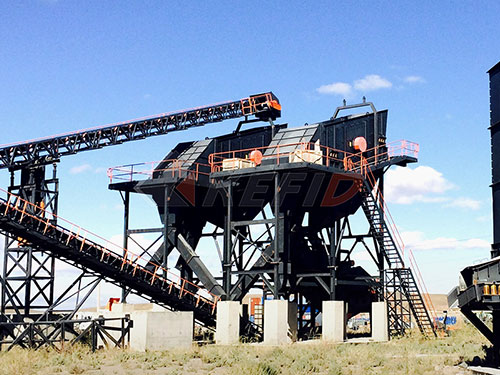

Optimizing Base Metal Sulphide Crushing Circuits: Design and Operational Considerations
Crushing represents the critical first step in liberating valuable base metals – such as copper, memimpin, zink, and nickel – from their sulphide ore hosts. An efficient and robust crushing circuit directly impacts downstream processes like grinding efficiency, flotation recovery rates, and overall plant profitability. Designing and operating these circuits specifically for base metal sulphides requires careful consideration of the ore's inherent characteristics.
The Imperative of Effective Crushing
The primary objective of any crushing circuit is size reduction. For base metal sulphides, this means transforming run-of-mine (ROM) ore into fragments sufficiently small for efficient grinding. Achieving the target grind size economically requires minimizing energy consumption downstream; finer initial crushing directly translates to lower grinding energy requirements per tonne of ore processed.
Unique Challenges of Base Metal Sulphides
Unlike simpler oxide ores or aggregates, base metal sulphides present distinct challenges:
1. High Abrasiveness: Minerals like pyrite (FeS₂) are exceptionally hard and abrasive, causing rapid wear on crusher liners and screens.
2. Kecekapan: Sulphide ores are often competent and tough, demanding robust equipment capable of handling high forces.
3. Kelembapan & Kandungan tanah liat: Variable moisture levels combined with clay minerals can lead to material packing within crusher chambers or blinding screens.
4. Variable Feed Characteristics: Ore hardness and composition can fluctuate significantly within a deposit or even daily feed.
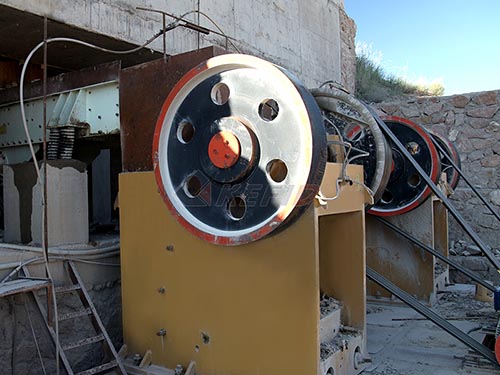
Typical Circuit Configurations
Most modern base metal sulphide operations employ multi-stage crushing circuits:
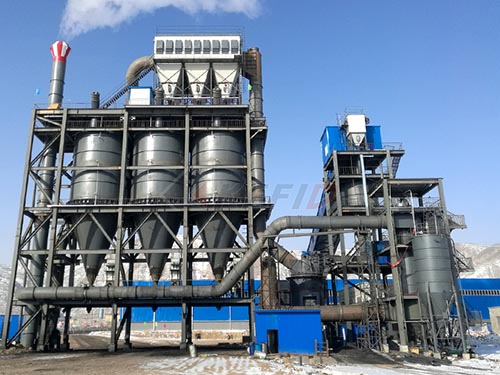
1. Penghancuran utama: This stage handles large ROM feed directly from the mine pit or stockpile.
Peralatan: Large gyratory crushers are dominant due to their high capacity (>10,000 t/h), Keupayaan untuk mengendalikan saiz makanan yang besar (>1m), robustness against tramp material (mis., keluli), and relatively low sensitivity to moisture/clay compared to jaw crushers.
Objektif: Reduce ROM ore from meter-sized fragments down to ~150-250 mm.
2. Menghancurkan sekunder: Further reduces primary crushed product.
Peralatan: Cone crushers are standard here due to their efficiency in producing a well-shaped product at intermediate sizes (~25-60 mm). High-performance cone crushers with optimized chambers are favored for their ability to handle tough feeds while maintaining throughput.
Konfigurasi: Often operates in closed circuit with vibrating