
Kecekapan bahan api purata penghancur batu
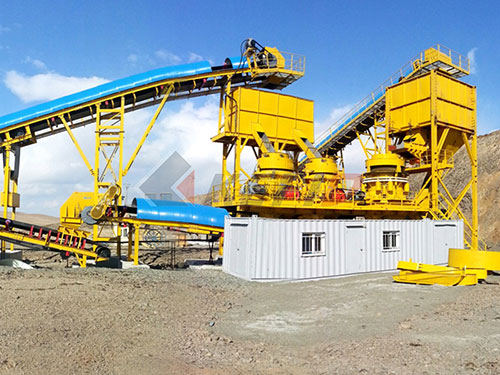

The Quest for Efficiency: Understanding Fuel Consumption in Rock Crushing Operations
Dalam dunia yang menuntut pengeluaran agregat, perlombongan, dan kitar semula pembinaan, rock crushers are indispensable workhorses. Namun, their power comes at a significant cost: penggunaan bahan api. Pinpointing a single "average fuel efficiency" for all rock crushers is elusive, as it fluctuates dramatically based on numerous factors. Understanding these variables is crucial for operators seeking to optimize costs and reduce environmental impact.
Kenapa "Purata" is Misleading:
Unlike passenger vehicles measured in miles per gallon (MPG), crusher efficiency is intrinsically linked to productivity. The most relevant metric is fuel consumed per ton of material processed. This immediately highlights why an average figure is problematic:
1. Jenis penghancur & Teknologi:
Crushers rahang: Often used for primary crushing, generally considered moderately efficient. Efficiency improves significantly with modern hydraulic adjustment and reverse crushing features.
Penghancur kon: Used for secondary and tertiary crushing. Modern cone crushers with advanced chamber designs, pemacu kelajuan berubah -ubah (like hydroset/hydrostatic drives), and automated control systems (ASri) are typically the most fuel-efficient options per ton in their crushing stages.
Penghancur kesan (HSI/VSI): Excellent for shaping and producing cubical products. While highly productive in specific applications, they often consume more fuel per ton compared to modern cones in hard rock applications due to higher rotor speeds and impact forces. Walau bagaimanapun, they can be very efficient in softer materials or recycling.
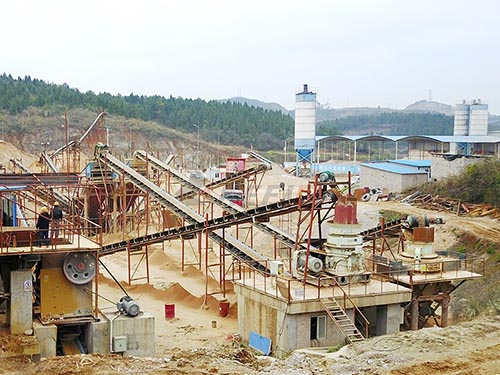
Mobile vs. Pegun: Penghancur mudah alih (trek dipasang atau beroda) carry the additional fuel burden of propulsion systems and hydraulic outriggers/stabilizers. Stationary plants eliminate this but require material hauling.
2. Ciri -ciri bahan:
Kekerasan & Abrasiveness (mis., Granit lwn. Batu kapur): Harder, more abrasive rock requires significantly more energy (dan dengan itu bahan api) to fracture.
Saiz suapan: Feeding oversized material forces the crusher to work harder than its optimal design point.
Kandungan kelembapan: Wet or sticky material can cause plugging and reduce throughput, indirectly increasing fuel per ton.
Saiz produk akhir yang diperlukan: Producing finer aggregates demands more crushing stages and/or higher energy input per stage.
3. Operational Practices:
Kadar Suapan & Konsistensi: An underfed