
Motor Untuk Jaw Crusher Pe 250 X 400
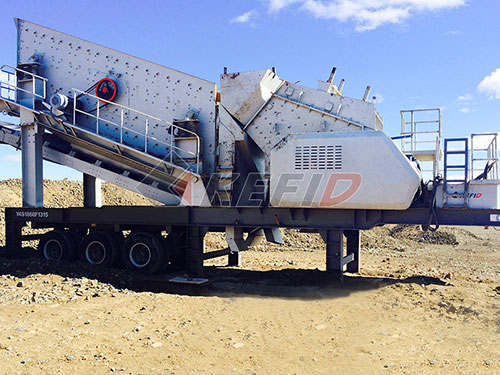

The Heart of Crushing: Demystifying Motor Selection for the PE 250 x 400 Jaw Crusher
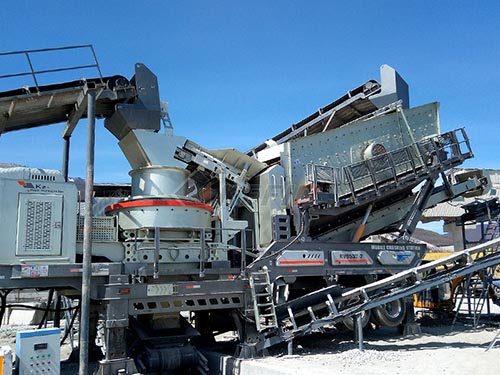
The PE 250 x 400 jaw crusher stands as a cornerstone in small to medium-scale crushing operations worldwide. Its robust construction, manageable size, and proven effectiveness in handling hard and abrasive materials like granite, basalt, concrete, and ore make it indispensable in quarries, mining sites, recycling facilities, and construction projects. However, the consistent performance and longevity of this workhorse depend critically on a component often overshadowed by the crusher itself: the electric motor. Selecting the correct motor untuk jaw crusher PE 250 x 400 is not merely a box-ticking exercise; it’s fundamental engineering dictating efficiency, reliability, and operational cost.
Understanding the PE 250 x 400 Workhorse
Before delving into motor specifics, appreciating the crusher's mechanics is crucial:
1. Core Function: Utilizes two manganese steel jaws – one fixed and one movable – to compress incoming feed material against the fixed jaw until it fractures.
2. Specifications:
Feed Opening: 250mm (Width) x 400mm (Length) - defining maximum lump size (~210mm).
Max Feed Size: Approximately ≤210mm.
Discharge Opening Range: Typically adjustable between 20mm to 80mm (settings vary).
Capacity: Highly variable (5-20 tons per hour), dependent on material properties (hardness, density), feed size distribution, discharge setting (CSS), jaw plate profile (e.g., corrugated vs. smooth), and overall machine condition.
Eccentric Shaft Speed: Around ~275 RPM (±10 RPM). This rotational speed drives the reciprocating motion of the movable jaw via toggle plates.
3. The Crushing Cycle & Load Profile:
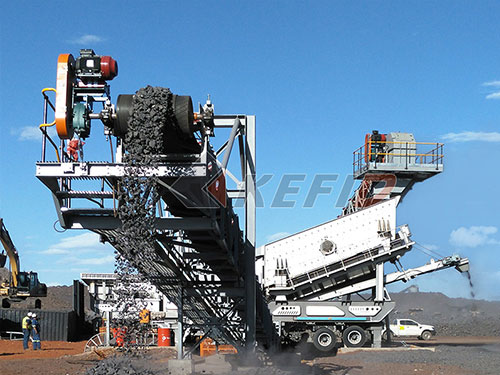
The cycle involves an opening stroke (where material enters) and a closing/power stroke (where crushing occurs).
Load is highly cyclical and shock-intensive. The motor experiences significant peak torque demands during:
Initial acceleration from standstill against inertia.
Crushing tough lumps or encountering non-crushables momentarily ("tramp events").
Overcoming friction in bearings and linkages.
Compressing material during the power stroke.
Why Motor Selection is Paramount
Choosing an undersized or inappropriate motor leads to catastrophic consequences: