
Чөлөөт бутлагчид хэрхэн ажилладаг вэ
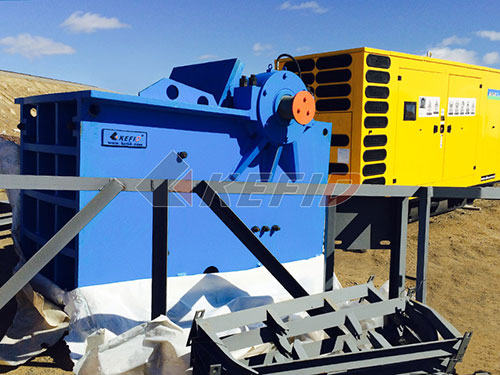

Чөлөөт бутлагчид хэрхэн ажилладаг вэ: Breaking Down the Bedrock of Construction
Stone crushers are fundamental machines in industries ranging from mining and quarrying to construction and recycling. They perform the essential task of reducing large rocks, булан, or demolition debris into smaller, usable aggregates of specific sizes – the gravels, sands, and crushed stone that form the literal foundation of our built environment. Understanding how these robust machines operate reveals a fascinating interplay of force and mechanics.
Үндсэн зарчим: Applying Force to Fracture
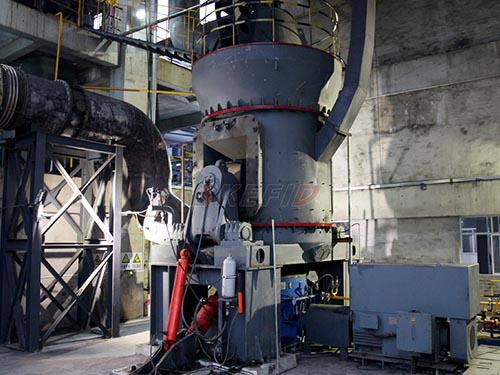
Зүрх сэтгэлдээ, stone crushing relies on applying sufficient mechanical force to overcome the natural compressive strength of rock or concrete materials. This force causes fractures along natural cleavage planes or weaknesses within the material, progressively breaking it down into smaller fragments.
The Crushing Journey: From Feed to Final Product
The process typically involves several stages:
1. Хавсараж: Түүхий хутга (run-of-mine rock from a quarry or demolition rubble) is loaded into the crusher's feed hopper using loaders or dump trucks.
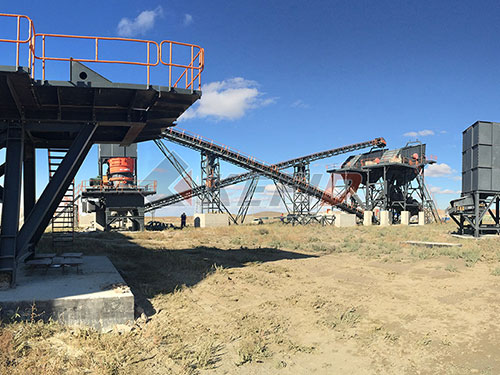
2. Анхдагч бутлах (Coarse Reduction): Large rocks first encounter a primary crusher, usually a Jaw Crusher or Gyratory Crusher.
Эрүүлийн тусламж: Features two vertical jaws – one fixed, one moving in an elliptical motion. Rock is fed into the top opening ("сэх хойш") between the jaws. As the movable jaw closes against the fixed jaw with immense pressure (often hundreds of tons), it compresses the rock until it fractures into smaller pieces that fall downwards through the narrowing gap at the bottom ("Хаалттай хажуугийн тохиргоо").
Grushator crusher: Similar concept but utilizes a conical head gyrating eccentrically within a larger conical bowl liner. Rock enters at the top; as the head gyrates closer to one side of the bowl liner, it crushes material against it before releasing as it moves away.
3. Хоёрдогч бутлах (Intermediate Reduction): The output from primary crushing is still relatively coarse for many applications (жишээ нь e., бетонон дүүргэгч). It often moves via conveyor belt to a secondary crusher, commonly a Cone Crusher.
Конус Кретер: Operates similarly to a gyratory but on a smaller scale with faster speed and higher throughput for its size range). Material falls into an upper chamber where an eccentrically rotating mantle crushes it against stationary concave liners ("bowl liners"). The gap between