
Бутлуурын үйл ажиллагаа

The Function and Operational Principles of Industrial Crushers
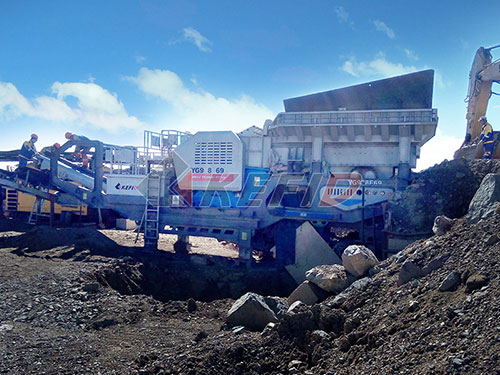
Within the vast landscape of mineral processing, олборлолт, Дүүргэгч үйлдвэрлэх, болон дахин боловсруулах, crushers stand as fundamental workhorses. Their primary function is deceptively simple yet critically important: Хувцасны мини үнэлгээ. They achieve this by applying significant mechanical force to raw materials, breaking large rocks, Эур, бетон, or other solid masses into smaller, more manageable fragments.
Гол зорилго: Transforming Bulk Material
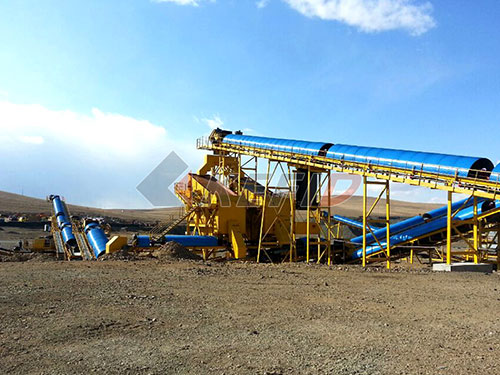
The essential purpose of a crusher is to reduce the size of incoming feed material to a specified range suitable for subsequent processing stages or direct end-use. This transformation serves several vital industrial needs:
1. Liberation of Valuable Components: In mining and mineral processing, large ore chunks contain valuable minerals locked within waste rock (тоног). Crushing breaks these particles apart, liberating the target minerals for more efficient separation in downstream processes like milling or concentration.
2. Preparation for Further Processing: Many industrial processes require feed material within a specific size range. Жишээ нь:
Grinding mills operate most efficiently with correctly sized feed.
Cement production requires finely ground raw meal before kiln feeding.
Aggregate for concrete or asphalt must meet strict size specifications.
3. Volume Reduction and Handling Efficiency: Transporting and handling massive boulders or large chunks is impractical and costly. Crushing significantly reduces the volume of bulky materials (like demolition concrete), making transportation, овоолго, and feeding into other equipment far more efficient.
4. Improved Material Characteristics: Crushing can create specific particle shapes (Хүю Бид) desirable for certain applications (жишээ нь e., high-strength concrete aggregate) or increase the surface area of materials for chemical reactions.
Achieving Size Reduction: The Mechanics
Crushers accomplish size reduction through the application of intense mechanical forces:
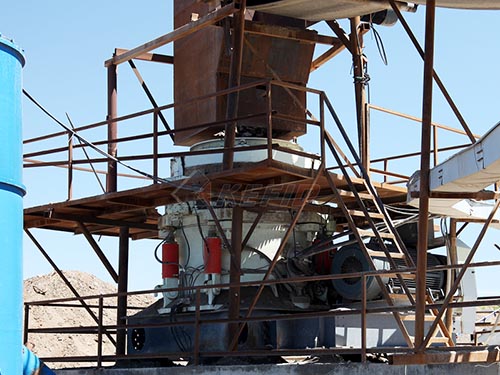
1. Хордох: This is the most common mechanism. Material is squeezed between two rigid surfaces (like jaws or mantles/concaves). As the surfaces move closer together, pressure builds until the material fractures along its natural cleavage lines.
2. Цохилт: Material is struck rapidly by hammers or blow bars rotating at high speed on a rotor, or thrown against breaker plates/anvils. The sudden transfer of kinetic energy causes shattering.
3. Attrition/Shear: Material is crushed between two surfaces moving relative to each other in a scissoring action (like in some roll crushers), grinding particles against each other or