
Бетононд буталсан элсний сул тал
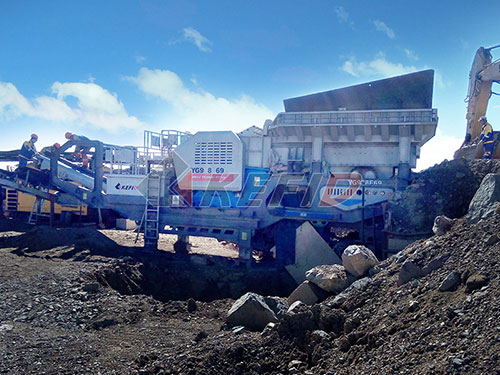

Navigating the Challenges: Disadvantages of Crushed Sand in Concrete
The global construction industry increasingly relies on Manufactured Sand (М-элс), or crushed sand, as a sustainable alternative to rapidly depleting natural river sand. While its environmental benefits are clear – reducing riverbed degradation and offering a use for quarry waste – incorporating crushed sand into concrete mixes presents distinct challenges that engineers and contractors must carefully manage. Understanding these disadvantages is crucial for producing durable, high-quality concrete structures.
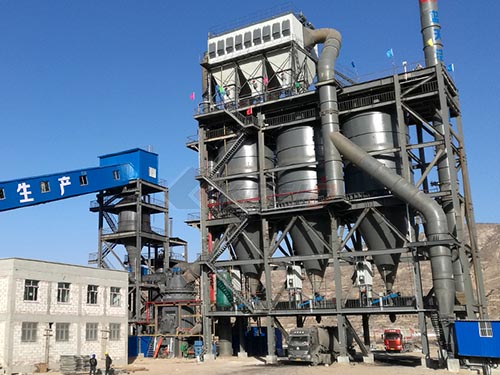
1. Angular Particle Shape & Rough Texture: Unlike naturally weathered river sand grains which are typically rounded and smooth, crushed sand particles are angular and possess a rough surface texture due to the mechanical crushing process.
Цохилт: This angularity increases inter-particle friction within the concrete mix.
Consequence: Higher water demand is required to achieve adequate workability compared to concrete made with river sand of similar grading. If not compensated for correctly (through increased cement content or effective water-reducing admixtures), this can lead to:
Reduced workability and increased difficulty in placement and compaction.
Potential for honeycombing if compaction is inadequate.
Higher risk of plastic shrinkage cracking if water evaporates too quickly before setting.
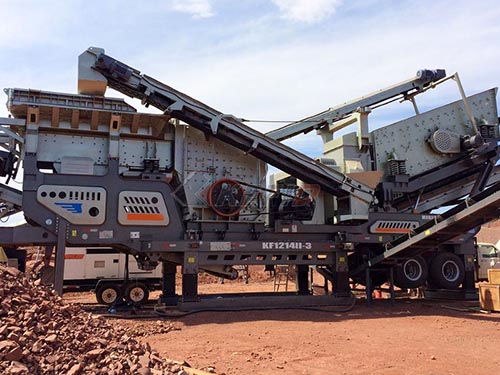
2. Excessive Fines Content (Microfines): The crushing process inevitably generates a significant proportion of fine particles smaller than 75 микрон (often referred to as microfines or rock dust).
Цохилт: These fine particles have a very high specific surface area.
Consequence:
Increased Water Demand: Microfines absorb more mixing water to wet their large surface area, further exacerbating the workability issues caused by particle shape.
Reduced Strength & Бат бөх чанар: Excess microfines can act as weak filler material within the cement paste matrix instead of contributing actively to strength development. They can also create weak interfaces between paste and aggregate.
Higher Shrinkage & Cracking Tendency: Increased water demand often necessitates higher cement content to maintain strength targets (зардал нэмэгдэж байна). The combination of higher cement content and higher fines content significantly increases drying shrinkage potential in hardened concrete, leading to greater susceptibility to cracking over time.
Potential Bleeding/Segregation Control Issues: While controlled amounts of fines can help reduce bleeding and segregation, excessive amounts can make the mix overly cohesive or sticky, hindering proper placement.
3. Gradation Variability & Control Challenges: Achieving consistent