
Буталсан чулуун зэрэг тайлбарлав

Буталсан чулуун зэрэг тайлбарлав: Your Comprehensive Guide to Selecting the Right Aggregate
Crushed stone is an indispensable material in construction and landscaping, forming the literal bedrock of countless projects from highways to home gardens. Its versatility stems from the wide range of available sizes and specifications, categorized into distinct grades. Understanding these grades – their sizes, characteristics, production methods, and optimal applications – is crucial for ensuring project success, Зардлын үр ашиг, ба урт наслалт.
What is Crushed Stone?
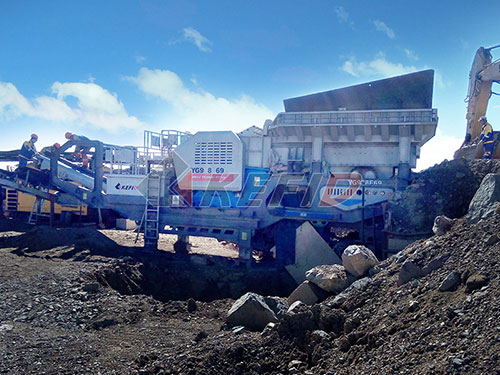
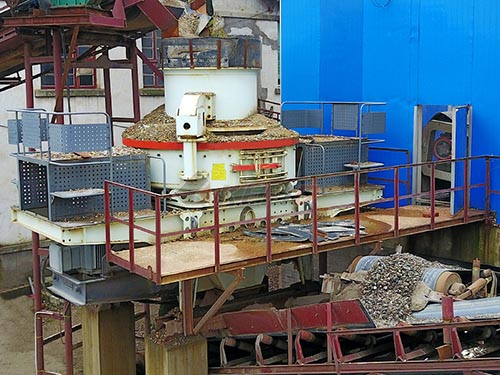
Unlike rounded gravel found naturally in riverbeds or beaches, crushed stone is precisely what its name implies: angular fragments of rock mechanically broken down ("crushed") in quarries using powerful crushers like jaw crushers, Конус Кручингууд, болон нөлөөлдөг. This mechanical process creates interlocking particles with jagged edges that bind together tightly when compacted, providing superior stability and load-bearing capacity compared to smooth gravel.
The raw rock sources vary geographically but commonly include limestone (most prevalent), боржин чулуу (known for hardness), trap rock/basalt (excellent durability), эджих чулуу (often used locally), and even recycled concrete or asphalt in some regions.
Why Grading Matters
Crushed stone isn't one-size-fits-all. Using the wrong grade can lead to structural failure (жишээ нь e., insufficient base support causing pavement cracking), poor drainage (fines clogging voids leading to water pooling), ineffective filtration (contaminants passing through oversized gaps), or aesthetic disappointment (unsightly stones in decorative mulch). Grading provides a standardized system:
1. Урьдчилсан хувьд: Ensures consistent particle size distribution within defined limits.
2. Жүжиг: Matches material properties to specific engineering requirements.
3. Харилцаа: Allows clear specification between engineers/architects and suppliers/contractors.
4. Зардлын хяналт: Prevents over-specifying expensive specialty grades where standard ones suffice.
The Grading System Explained
Grades are typically designated by numbers (57 чулуу) or names ("Карьерын үйл явц"). These designations primarily refer to the size distribution of the particles within a particular batch:
Sieve Sizes: Rocks are passed through screens with specific opening sizes measured in inches or millimeters.
Grading Limits: Each grade has defined maximum particle size limits and acceptable ranges for finer particles passing through smaller sieves.
Анилга: Standards like ASTM International standards provide precise definitions for many common grades used in construction applications.
Common Crushed Stone Grades & Тэдгээрийн програмууд
Here’s a detailed breakdown of frequently encountered crushed