
Limestone Mining Processing Plant Specification

1. PAINPOINT DRIVEN OPENING
Are escalating operational costs and unpredictable downtime eroding your limestone quarry's profitability? Managing a limestone mining processing plant involves persistent challenges that directly impact your bottom line. Common pain points include:
High Maintenance & Unplanned Downtime: Frequent breakdowns of crushers and mills due to abrasion from silica content, leading to production halts and costly emergency repairs.
Inefficient Size Reduction & High Energy Costs: Suboptimal crushing circuits that produce excessive fines or require recirculation, wasting significant electrical power per ton of final product.
Product Contamination & Inconsistent Quality: Metal wear debris from equipment contaminating highpurity limestone products, or inconsistent particle size distribution failing to meet strict customer specifications.
Dust Control Failures & Regulatory NonCompliance: Inadequate dust suppression at transfer points creating health hazards, environmental violations, and product loss.
Low Overall Plant Availability: Cascading bottlenecks from primary crushing to sorting, where the failure of a single component reduces total system throughput.
What if your processing plant could deliver higher throughput with lower energy consumption, ensure product purity, and operate with predictable maintenance intervals? The specification of your core processing equipment is the determining factor.
2. PRODUCT OVERVIEW: LIMESTONE MINING PROCESSING PLANT
A modern limestone mining processing plant is a coordinated circuit of heavyduty machinery designed to extract, reduce, classify, and prepare raw limestone for market. The operational workflow for a typical stationary plant includes:
1. Primary Size Reduction: Dumpfed primary jaw or gyratory crushers reduce runofquarry stone to a manageable diameter (typically <200mm).
2. Secondary/Tertiary Crushing & Screening: Cone crushers or impactors further reduce material, working in closed circuit with vibrating screens to separate product sizes.
3. Material Handling & Sorting: Conveyor systems transport material between stages; advanced optical sorters or manual sorting lines may remove deleterious materials.
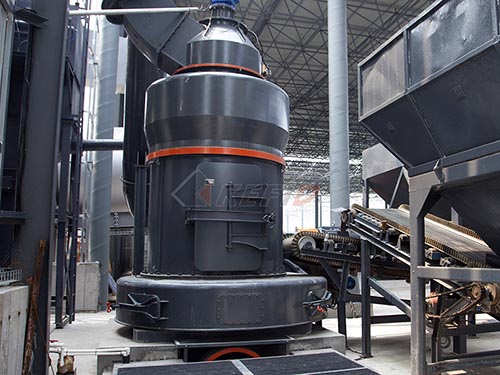
4. Grinding & Classification (for fine products): For agricultural lime or filler products, grinding mills paired with air classifiers produce controlled fine powders.
5. Stockpiling & Loadout: Finished products are conveyed to segregated stockpiles for loadout by truck or rail.
Application Scope: This specification covers hardrock limestone quarrying operations producing aggregates, riprap, agricultural lime, and chemical/industrial grade stone.
Limitations: This plant design is not optimized for soft chalk deposits or integrated cement production clinker grinding. Highly automated sorting requires consistent feed size.
3. CORE FEATURES
Advanced Crushing Chamber Design | Technical Basis: Computeraided dynamic simulation of material flow and crushing kinematics | Operational Benefit: Optimized nip angle and stroke deliver firstpass reduction with minimized slabby product and chokepoint risk | ROI Impact: Reduces recirculating load by up to 25%, lowering energy cost per ton and increasing circuit capacity.
AbrasionResistant Liner Technology | Technical Basis: Highchrome white iron or composite metal matrix liners in wear zones | Operational Benefit: Liner life extended by 3060% compared to standard manganese steel in highsilica limestone | ROI Impact: Decreases liner changeout frequency and associated downtime labor costs, improving plant availability.
Integrated Dust Suppression System | Technical Basis: Automated fog cannons at transfer points with moisture sensors for ondemand operation | Operational Benefit: Maintains airborne particulate levels below 2mg/m³ at source without oversaturating material | ROI Impact: Eliminates regulatory fines, reduces housekeeping labor, and prevents product loss as dust.
Centralized Greasing & Condition Monitoring | Technical Basis: PLCcontrolled automatic lubrication systems paired with vibration/temperature sensors on critical bearings | Operational Benefit: Ensures optimal bearing health, provides early failure warning, and removes personnel from hazardous lubrication points | ROI Impact: Prevents catastrophic bearing failures; field data shows a 40% reduction in unscheduled bearingrelated stoppages.
Modular Plant Configuration | Technical Basis: Bolttogether structural modules with preengineered chute work and walkways | Operational Benefit: Reduces site installation time by up to 35% versus traditional weldedonsite construction | ROI Impact: Lowers capital installation costs and accelerates timetorevenue generation from plant commissioning.
4. COMPETITIVE ADVANTAGES
| Performance Metric | Industry Standard | Our Limestone Processing Plant Solution | Advantage (% Improvement) |
| : | : | : | : |
| Tons per Hour (TPH) per MW of Energy | 180220 TPH/MW | 260300 TPH/MW | +25% Efficiency |
| Liner Life in Abrasive Stone (Hours) | ~1,200 hours (12% Si02) | ~1,900 hours (12% Si02) | +58% Longevity |
| Mean Time Between Failure (MTBF) Crusher Drives| ~4,500 hours| ~6,800 hours| +51% Reliability |
| Plant Installation & Commissioning Time (Weeks) for 500TPH plant| 2226 weeks| 1619 weeks| 30% Duration |
| Fines Generation (5mm) in Crushing Circuit (%)| ~2832% of feed| ~2226% of feed| 23% Fines Yield |
5. TECHNICAL SPECIFICATIONS
Design Capacity Range: Configurable from 200 to over 1,500 metric tons per hour (TPH) of processed limestone.
Power Requirements: Total connected load ranges from 800 kW (for basic crushing/screening) to over 3 MW (for full circuit including grinding). Primary crusher motors typically range from 150400 kW.
Material Specifications: Fabricated from S355JR structural steel; wear plates are AR400/AR500; chute liners are replaceable polyethylene or ceramic tiles; crusher mantles/concaves are proprietary highchrome alloy.
Physical Dimensions (Example for a 500 TPH Plant):
Primary Crusher Feed Hopper Volume: 40 m³
Conveyor Lengths (Total): ~250 meters
Screen Decks: Tripledeck inclined screens up to 3m x 7m
Plant Footprint (L x W): Approximately .85m x .45m
Environmental Operating Range: Designed for ambient temperatures from 20°C to +45°C; dust protection rating of IP65 for electrical panels; wind load design up to .00 km/h.
6. APPLICATION SCENARIOS
Aggregate Production for Construction | Challenge: A Midwest quarry's existing plant struggled with high fines production when processing dolomitic limestone for concrete aggregate specs (<7% passing 200 sieve). Excessive fines reduced saleable yield and created waste handling issues. Solution: Implementation of a new tertiary crushing stage featuring a multicylinder hydraulic cone crusher in closed circuit with a highfrequency screen. Results: Fines generation reduced from .0% to .8%. Saleable aggregate yield increased by .5%, generating an estimated additional $180k in annual revenue at the same feed rate.
HighPurity Industrial Grade Stone Processing Challenge A producer supplying chemicalgrade limestone needed absolute minimal metallic contamination but faced constant iron oxide contamination from worn steel components in the grinding circuit.Solution Installation of a processing plant using ceramiclined chutes polyurethane screens and a grinding mill equipped with alumina ceramic media and linersResults Product Fe content reduced from >0.%to <0.% meeting stringent contract specificationsPlant also recorded a % reduction in media consumption costs despite ceramics higher upfront price
Agricultural Lime Production Challenge An operation expanding into aglime required consistent fineness grind (% passing mesh ) but their old roller mill system was energyintensiveand produced an inconsistent gradationSolution A turnkey grinding circuit featuringa vertical shaft impactor VSIfor tertiary reductionand adynamic air classifier millfor fine grindingResults Achieved target gradationwith % consistencywhile reducing specific energy consumptionby kWhper ton comparedto the previous system
7 COMMERCIAL CONSIDERATIONS
Equipment pricing is tiered based on capacity complexityand levelof automation
Tier Basic CrushingScreeningPlant( TPH )Includes primary crusher screenconveyorsand basic control panelTier Full ProcessCircuit( TPH )Adds secondarytertiary crushingadvanced dust controlPLC automationTier Complete Grinding&SortingPlant( TPH )Includes all aboveplus optical sortersfine grinding millsandsilo storage
Optional Features Remote monitoring telematics packageAdvanced optical sorting modulesfor contaminant removalOverband magnet systemsComplete soundenclosure packages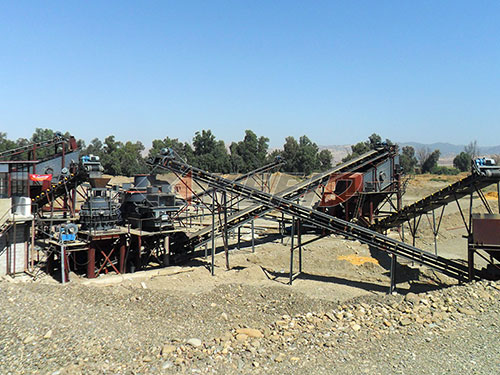
Service Packages Proactive Maintenance Plansincluding scheduled liner inspectionslubricant analysisandvibration monitoring Onsite Parts InventoryConsignmentto minimizewait timefor critical wear parts Operator Training Programsconducted duringcommissioning
Financing Options Available capital leaseoperating leaserenewal purchase optionsProject financing canbe structuredover ayear termbasedon credit approval
8 FAQ
Q Whatis themaximumfeed sizefor yourprimarycrushersin alimestone processingplantA Ourjawcrusher rangeacceptsrunofquarrystoneup tommin diameterdependingon themodelGyratorycrusherscanhandlelargerfeedsupto mm
Q Howdoesyourplantdesignadaptto variationsin limestonemoisturecontentA Weengineerfeed chuteswith specificanglesandincorporatevibratinggridfeedersorfinger decks topreventclayor wetmaterialfrom bridgingCritical screenscanbe equippedwith heatingelementsorballtraydecks formaterialseparationinhumidconditions
Q Whatisthetypicalimplementationtimelinefrom orderto commissioningA Forastandard TPHplantdeliveryis –monthsfrom orderFabricationSite installationmechanical erectionandelectrical tieintypicallyrequires –weeksCommissioningandperformance testingrequiresanadditional –weeks
Q Areyourplantscompatiblewithexistingconveyorsystemsorcrushersfrom othermanufacturersA YesOurdesignusesstandardinterfacesOurcontrolsystemscanbe configuredto integratewithlegacyequipmentprovidedadequateI Odatais availableensuringflexiblebrownfieldupgradeoptions
Q Whatkindof performanceguaranteesare offeredA Weguarantee ratedthroughputcapacityfinalproductgradationmeetingagreed specificationsandspecificpowerconsumptionlimitsPerformance testsareconductedduringcommissioningtoconfirmthese metrics
Q Do youprovideengineering supportforsite preparationand foundationdesignA YesWe providecomprehensivesite layoutdrawingsfoundationload drawingsanda utilityrequirementssummaryas partofthebasicengineeringpackageOnsitecivil supervisioncanbe includedasanoptionalservice