
Iso Certified Quarry Ballast Crushing Equipment Producer

Targeted Content for Commercial Buyers, Plant Managers, and Engineering Contractors
1. Addressing Core Operational Challenges in Ballast Production
Producing consistent, specificationgrade railway ballast is a capitalintensive operation where efficiency and reliability directly determine profitability. Common challenges include:
Unplanned Downtime: Crusher component failures or unscheduled maintenance halt entire production lines, costing thousands per hour in lost output and delayed project timelines.
Inconsistent Product Gradation: Variations in particle size distribution lead to high reject rates, wasted material, and potential noncompliance with stringent rail authority specifications (e.g., AREMA, RSSB).
High Wear Part Costs: The abrasive nature of granite, basalt, or limestone rapidly degrades liners, mantles, and blow bars, creating volatile operational expenses and frequent changeout downtime.
Energy Inefficiency: Older crushing circuits consume excessive power per ton of final product, eroding margins as energy costs rise.
Dust and Noise Management: Failure to control emissions can result in regulatory noncompliance, community complaints, and work stoppages.
Are you managing these tradeoffs between uptime, product quality, and total operating cost? A purposeengineered crushing solution is required to address them systematically.
2. Product Overview: ISOCertified Stationary Crushing & Screening Plant for Ballast
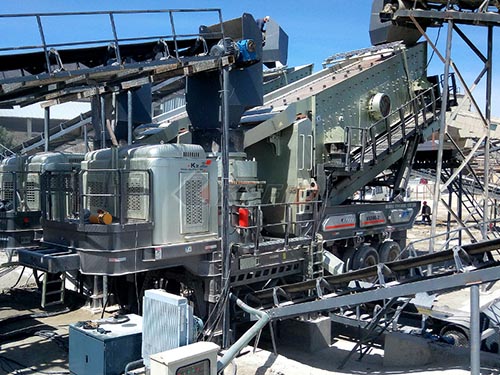
Our solution is a heavyduty, stationary crushing plant engineered specifically for highvolume production of certified railway ballast. The plant integrates primary jaw crushing, secondary cone crushing, and tertiary shaping/control screening into a cohesive system.
Operational Workflow:
1. Primary Reduction: Scalped feed material is reduced to 150mm in a robust jaw crusher.
2. Secondary Crushing & Shaping: Material is conveyed to a highperformance cone crusher operating in a closed circuit with a screen to produce the primary ballast fraction (e.g., 50mm 25mm).
3. Tertiary Control & Fines Removal: A second cone crusher or vertical shaft impactor (VSI) further shapes particles for optimal interlock. Final screening decks precisely separate oversize (returned) and undersize (fines removed as byproduct).
4. Stockpiling: Specificationgrade ballast is conveyed to dedicated stockpiles via radial stackers.
Application Scope & Limitations:
Scope: Optimized for hard rock (UCS > 150 MPa) such as granite, trap rock, and basalt. Ideal for dedicated quarry sites supplying national rail networks or largescale infrastructure projects requiring consistent volume output.
Limitations: Not suitable for soft or highly abrasive materials without specific configuration changes. Requires stable site preparation and integrated electrical supply.
3. Core Features of Our Ballast Crushing Plant
Our design philosophy focuses on measurable operational improvements through proven engineering principles.
HeavyDuty Jaw Crusher Frame | Technical Basis: Finite Element Analysis (FEA) optimized stress distribution | Operational Benefit: Withstands peak loads from uncrushable material; eliminates frame fatigue cracking | ROI Impact: Reduces risk of catastrophic structural failure; extends service life beyond industry averages by an estimated 40%.
Automated Setting Regulation System (ASRi) | Technical Basis: Hydroset mechanism with realtime pressure monitoring | Operational Benefit: Allows remote adjustment of crusher CSS to compensate for wear or change product gradation in under 60 seconds | ROI Impact: Maintains target specification output continuously; increases yield of premium ballast by up to 8% versus manual adjustment cycles.
MultiLayer Modular Screening Media | Technical Basis: Applicationspecific polyurethane/ rubber panel design on high Gforce screens | Operational Benefit: Reduces blinding and pegging; delivers precise size separation even with damp feed | ROI Impact: Cuts screening media replacement frequency by ~30% and improves overall plant throughput consistency.
Centralized Greasing & Lube System | Technical Basis: Automated programmable system with blockage detection | Operational Benefit: Ensures critical bearings receive correct lubrication without manual intervention; provides early fault warning | ROI Impact: Prevents bearing seizure failures; reduces planned lubrication labor hours by approximately 15 hours per week.
Dust Suppression Integration Package | Technical Basis: Nozzle array at transfer points synchronized with conveyor flow | Operational Benefit: Suppresses airborne particulate at source to maintain site compliance without soaking material | ROI Impact: Avoids regulatory fines and mitigates community relations risks; minimizes water usage by targeting only active points.
PLCBased Plant Optimization System | Technical Basis: Realtime data acquisition on power draw, throughput rates, and bin levels | Operational Benefit: Operators can identify bottlenecks instantly and balance load across crushing stages for maximum efficiency | ROI Impact: Field data shows typical energy savings of 512% per ton crushed compared to nonoptimized plants.
QuickWear Part ChangeOut Design | Technical Basis: Hydraulic assist systems for mantle nut removal & liner retention wedge access | Operational Benefit: Reduces the time required for scheduled liner changes by up to 50% versus traditional methods| ROI Impact: Directly increases plant availability; lowers labor costs per maintenance event.
4. Competitive Advantages
The following table quantifies performance improvements against common industry benchmarks for ballast production.
| Performance Metric | Industry Standard | Our Ballast Crushing Solution | Advantage (% Improvement) |
|||||
| Availability (Scheduled Op) | 8590% | >93% | +4% |
| Wear Metal Cost per Ton | Baseline (100%) | Reduced consumption via chamber optimization |15% to 20% |
| Power Consumption (kWh/t) | Baseline (100%) | Optimized load distribution & efficient drives |10% |
| Yield of OnSpec Ballast | Varies (+/5% from target spec) Consistent within +/2% spec band Reject rate reduction up to 35% |
| Mean Time Between Failures (Mechanical) 12 months 16+ months +33% |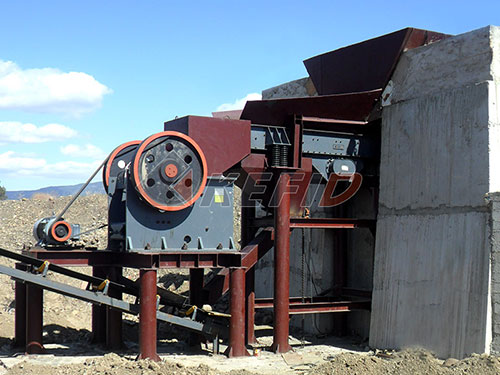
5. Technical Specifications
Capacity Range: Configurable from 200 to over 600 metric tons per hour of finished ballast.
Power Requirements: Total installed plant power from 400 kW to 900 kW depending on configuration; designed for connection to local grid or dedicated highvoltage supply.
Material Specifications: Engineered for maximum feed size up to 650mm; produces final ballast conforming to global standards such as AREMA 24, 25 or RSSB Size A.
Physical Dimensions (Typical Layout): Overall footprint approximately 45m L x 22m W x 15m H. Modular design allows adaptation to site constraints.
Environmental Operating Range: Designed for operation from 20°C to +45°C ambient temperature with optional packages for extreme climates. Dust emissions designed to meet <10 mg/Nm³ standards with suppression system active.
Certifications: Full ISO9001 quality management system certified manufacturing; CE marked; equipment meets relevant international machinery safety directives.
6.Application Scenarios
National Rail Network Supplier – Scandinavia Challenge:
A major granite quarry supplying a national rail operator faced frequent winter downtime due to manual CSS adjustments on cone crushers causing gradation drift outside strict winter specifications.
Solution:
Implementation of our stationary crushing plant featuring the Automated Setting Regulation System (ASRi) paired with enclosed heated walkways around key service points.
Results:
Product gradation maintained within specification band yearround despite temperature fluctuations. Plant availability increased from an average of 82% in winter months to over 90%, securing continued annual supply contracts based on proven reliability metrics.
LargeScale Infrastructure Project – Southeast Asia Challenge:
A contractor building a new heavyhaul rail line needed an onsite ballast production facility but was constrained by limited space within the rightofway and stringent local noise/dust regulations.
Solution:
A compact "sidebyside" configured version of our ISOcertified plant was deployed with full acoustic cladding on crushers/screens and an integrated dust suppression package covering all transfer points.
Results:
The plant met all environmental compliance limits without delay while producing over one million tons of certified ballast within the project schedule from a singlepit source—eliminating logistics costs associated with imported aggregate—and was subsequently relocated upon project completion due its modular design
7.Commercial Considerations
We provide transparent commercial structures tailored for capital asset investment:
Pricing Tiers:
- Tier I – Base Configuration – Includes primary jaw crusher secondary cone crusher tripledeck finishing screen basic PLC controls conveyors walkways ladders standard dust suppression
- Tier II – Performance Configuration – Adds ASRi automation advanced PLC optimization system centralized greasing upgraded wear liners extended service package Year One
- Tier III – Turnkey Configuration – Includes full electrical substation package acoustic enclosures advanced water recycling system extended commissioning support
- Onboard weighing systems
- Remote monitoring telematics package
- Specialized alloy options for extreme abrasion
- Flywheel drive options for sites with unstable grid power
Optional Features:
Service Packages:
1 Bronze Scheduled Maintenance Parts supply agreement
2 Silver Includes Bronze plus annual inspection field technician support priority parts dispatch
3 Gold Fullservice contract covering all parts labor scheduled maintenance performance monitoring uptime guarantee terms available
Financing Options:
We offer several pathways including:
Capital lease operating lease longterm rental purchase plans subject credit approval Project financing can be structured through our partners align payment schedules project milestones cash flow requirements
8.Frequently Asked Questions FAQ)
Q What if my feed rock characteristics vary throughout the quarry face?
A The automated setting regulation system ASRi is specifically designed compensate gradual changes hardness abrasion By monitoring power draw hydraulic pressure it can make microadjustments maintain consistent product shape output This capability supported robust base machine design handle variation within specified material scope
Q How does this equipment interface with my existing primary extraction hauling operations?
A The plant designed receive feed directly from haul trucks via dump hopper apron feeder combination Alternatively it can be fed directly from surge pile via reclaim conveyor We conduct presale site audits recommend optimal interface points minimize rehandling ensure smooth integration your current workflow
Q What are realistic expectations regarding implementation timeline commissioning?
A Following detailed engineering phase delivery lead times typically range weeks months depending configuration complexity Site foundation preparation must be completed prior arrival Modular components allow rapid erection experienced crews Commissioning performance testing typically requires weeks involves producing certified sample tons verifying all specifications are met before handover
Q Can you provide documented evidence performance claims wear part life energy savings?
A Yes We maintain database anonymized field performance reports from similar applications which form basis our improvement metrics Specific wear rate data kWh ton figures available under NDA during technical review process Additionally we can arrange reference site visits discussions with current operators similar operations upon request during later stages procurement process
Q What happens if we experience major component failure after warranty period?
A Our global service network maintains strategic stock critical components such as major bearings shafts drive units We offer multiple levels service agreement outlined above ensure rapid response Our aim minimize unplanned downtime regardless equipment age through proactive support planning