
Iso Certified Gold Ore Crushing Equipment Testing
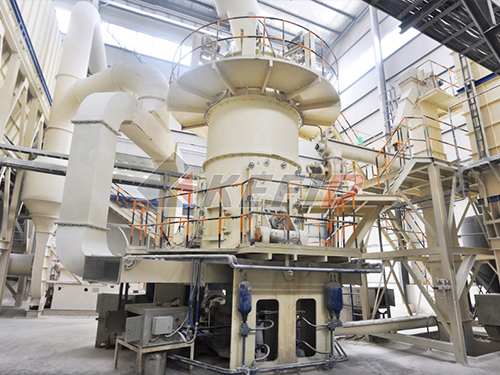

ISOCertified Gold Ore Crushing Equipment: Engineered for Maximum Yield and Minimum Downtime
1. PainPoint Driven Opening: The High Cost of Inefficient Comminution
Processing gold ore presents a unique set of profitability challenges directly tied to your crushing circuit’s performance. Inconsistent feed size, abrasive sulfide ores, and the relentless demand for throughput create significant operational hurdles. Are you facing:
Recovery Loss: Poorly sized crusher product leading to gold particle lockup in downstream processes, directly reducing overall plant yield.
Unscheduled Stoppages: Frequent mechanical failures in critical components due to extreme abrasion and shock loads, resulting in costly, unpredictable downtime.
High Operating Costs: Excessive energy consumption per ton of ore processed and rapidly escalating wear part expenses that erode profit margins.
Maintenance Complexity: Lengthy, laborintensive liner changes and component servicing that keep your equipment—and skilled personnel—out of operation for days.
The core question for plant managers is this: how can you achieve consistent, speccompliant product size while controlling the total cost of ownership and maximizing gold liberation? The answer lies in precisionengineered, ISOcertified crushing equipment designed specifically for the rigors of gold ore processing.
2. Product Overview: Primary & Secondary Hard Rock Gold Ore Crushers
This product line encompasses robust, stationary jaw crushers and cone crushers engineered for the primary and secondary crushing stages of hard rock gold ores (e.g., quartz veins, sulfidebearing deposits). The operational workflow is optimized for continuous mineral processing plants:
1. Primary Reduction: ROM (RunofMine) ore is fed into a heavyduty jaw crusher, reducing large material to a manageable size (typically <200mm).
2. Secondary Crushing: The jaw crusher discharge is conveyed to a highperformance cone crusher for further reduction to a target size optimal for grinding mill feed (typically <20mm).
3. Size Control & Recirculation: Crusher product is screened; oversize material is recirculated back to the cone crusher in a closed circuit to ensure consistent final product specification.
Application Scope: Ideal for medium to hightonnage fixedplant operations processing abrasive and hard gold ores (Unconfined Compressive Strength up to 300 MPa). Limitations: Not designed for wet, sticky ores without prior drying/scalping, or as standalone units for allinone crushing without appropriate screening and conveying systems.
3. Core Features: EngineeringDriven Performance
Patented Liner Geometry | Technical Basis: Optimized crushing chamber kinematics and nip angle | Operational Benefit: Produces a more cubical product with fewer fines and slabby material, improving downstream grinding efficiency and gold liberation. | ROI Impact: Field data shows up to an 8% increase in grinding circuit throughput due to improved feed characteristics.
MultiLayer Chromium Alloy Mantle & Concaves | Technical Basis: Microalloyed steel with directional hardening for maximum abrasion resistance. | Operational Benefit: Extends wear life by 3050% compared to standard manganese steel in highly abrasive gold ores. | ROI Impact: Reduces wear part inventory costs and frequency of changeouts, lowering costperton significantly.
HydroPneumatic Tramp Release & Clearing | Technical Basis: Automated system using hydraulic accumulators and nitrogen charge. | Operational Benefit: Protects the crusher from uncrushable material damage; clears a stalled cavity in under 60 seconds without manual intervention. | ROI Impact: Prevents catastrophic damage to main shaft and frame; reduces risk of hourslong downtime events associated with tramp iron incidents.
Centralized Grease Lubrication with Flow Monitoring | Technical Basis: Automated, programmable lubrication system with sensors at each bearing point. | Operational Benefit: Ensures optimal bearing lubrication under all loads; provides early warning of blockages or failures before they cause damage. | ROI Impact: Extends major bearing service life by up to 40%, avoiding unplanned teardowns and associated labor costs.
Dynamic Adjustment Under Load (ASRi®type System) | Technical Basis: Continuous, sensorbased control of the crusher’s closedside setting (CSS). | Operational Benefit: Maintains consistent product gradation despite varying feed conditions or liner wear, operating fully under load. | ROI Impact: Delivers a stable product size critical for recovery optimization; increases total throughput by maintaining peak cavity performance.
Modular Frame Design with Maintenance Rails | Technical Basis: Fabricated steel sections bolted with precision alignment dowels; integrated overhead crane rails. | Operational Benefit: Enables faster assembly onsite and allows for swift removal/replacement of major components like the eccentric assembly during scheduled maintenance. | ROI Impact: Reduces planned maintenance downtime by up to 50%, increasing annual operating hours.
4. Competitive Advantages
| Performance Metric | Industry Standard Benchmark | Our ISOCertified Gold Ore Crusher Solution | Documented Advantage |
| : | : | : | : |
| Wear Part Life (Abrasive Ore) | Baseline (Manganese Steel) | MultiLayer Chromium Alloy Liners| +35% improvement |
| Energy Efficiency (kWh/ton)| Varies by ore competency| Optimized chamber design & direct drive transmission| Up to 15% reduction |
| Mean Time Between Failure (MTBF)| ~1,500 hours| Enhanced bearing design & lubrication system| +25% improvement |
| Tramp Iron Clearing Time| Manual/semiauto (>10 min)| Full hydropneumatic autoclearing system| 85% time reduction |
| Product Size Consistency (P80 Variance)| +/ 15% over liner life| Dynamic Adjustment Under Load technology| Variance reduced to +/ 5% |
5. Technical Specifications
Capacity Range: 150 2,500 tonnes per hour (circuitdependent).
Power Requirements: Primary Jaw Crusher: 90400 kW; Secondary Cone Crusher: 110600 kW.
Material Specifications: Main frame fabricated from highgrade steel plate (ISO 630); Shafts forged from EN24/34CrNiMo6 equivalent; Liners manufactured from proprietary XT750 chromium alloy.
Physical Dimensions (Example Cone Crusher): Approx. Height: 3.8m; Width: 2.9m; Weight: ~28,000 kg.
Environmental Operating Range: Designed for ambient temperatures from 20°C to +50°C; dustprotected bearings and electrical components standard (IP65 rating on critical motors).
6. Application Scenarios
HighAbrasion Sulfide Gold Ore Processing Plant
Challenge: A West African operation faced excessive wear on cone crusher liners when processing hard pyritic ore, requiring changeouts every 6 weeks at high cost and production loss.
Solution: Implementation of our ISOcertified cone crushers with multilayer chromium alloy concaves.
Results: Wear life extended to an average of 9 weeks, reducing annual liner costs by 28% and increasing annual crusher availability by over 180 hours.
Remote Arctic Gold Mine
Challenge: Severe climate conditions combined with limited onsite maintenance expertise led to lubrication failures and sensitivity to fluctuating ore competency.
Solution: Installation of primary jaw and secondary cone crushers featuring centralized grease monitoring systems and dynamic adjustment automation.
Results: Zero bearingrelated failures in the first 18 months of operation; consistent mill feed achieved despite variable ore hardness, stabilizing overall plant recovery rates within a targeted band.
7. Commercial Considerations
Our ISOcertified gold ore crushing solutions are offered in three primary tiers:
1. Standard Duty Configuration: For consistent ore bodies with moderate abrasion.
2. HeavyDuty Configuration (Recommended): Includes premium liners, tramp release systems, enhanced lubrication—optimal for most hard rock gold applications.
3. PlantReady SkidMounted Modules (Optional): Preassembled units including motors,VFDs,and starters,facilitating rapid deployment.
Optional features include advanced condition monitoring sensors,custom liner profiles,and automated setting calibration software.Service packages range from basic commissioning support through comprehensive multiyear maintenance agreements with guaranteed parts availability.Financing options include capital purchase,direct leasetoown models,and throughputbased service contracts tailoredfor CAPEX constraints.
8.FAQ
Q1.Are these crushers compatible with my existing screeningand conveying infrastructure?
A1.Design specifications include standard discharge hopper heightsand flange connections.Customization is available during orderto ensure fit within your current plant layoutwith minimal modification required.
Q2.What is the expected impact on my overall power draw?
A2.The optimized drive train typically resultsin neutraltopositive impact.Total circuit energy per ton processed often decreasesdue toefficient reductionand reduced recirculating load,a net benefitfor power consumption budgets.
Q3.How does the ISO certification apply?
A3.Equipment design,fabrication,and final assembly are certifiedto ISO9001.This ensures documented quality controlprocedures,material traceability,and performance consistency—criticalfor longterm reliability calculationsin your feasibility studies.
Q4.What are typical installationand commissioning timelines?
A4.For modular skidmounted units,critical path commissioningcan be completedin approximately1014 days postdelivery.For traditional component assemblyonsite,a typical schedule rangesfrom46 weeksdependingon foundation readinessand local labor support.We provide detailed project planning support upfront
Q5.What commercial termsare availablefor international buyers?
A5.We offer CIF,FOB,and DDP incoterms.Payment structures typically involvea progress payment schedule tiedto major manufacturing milestoneswith balance due upon shipment.Currency options can be discussedbasedon project location
Q6.Can you provide test data specificto my ore sample?
A6.We operatea partner laboratorycapableof conducting pilotscale crushability tests(including Bond Work Index)and abrasion index analysis.This data directly informs equipment selectionand wear life projectionsfor your specific deposit
Q7.Does dynamic adjustment require specialized operator training?
A7.The automation systemis designedfor intuitive interfaceoperation.Trainingis providedas partof commissioning,focusingon daily checksand parameter monitoringratherthan complex programmingenablingyour existing crewto manage it effectively