
Harga Hammer Mill Exporters
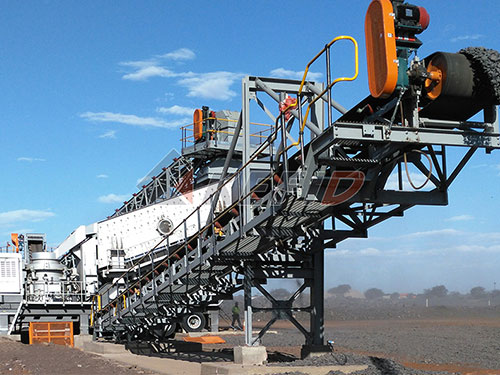

Beyond the Price Tag: Navigating the World of Hammer Mill Exporters for Optimal Value
The quest for "harga hammer mill exporters" – translating directly to "price of hammer mill exporters" – is often the starting point for businesses globally seeking this essential size reduction machinery. However, focusing solely on the initial price tag is a significant oversimplification in the complex world of international trade and industrial equipment procurement. Selecting the right hammer mill exporter involves a nuanced understanding of value, encompassing quality, reliability, technical support, logistics, and long-term operational costs. This article delves deep into the critical factors beyond mere pricing that define successful partnerships with hammer mill exporters.
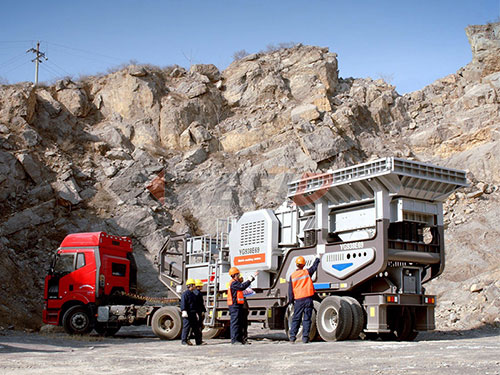
Understanding the Hammer Mill: The Engine of Size Reduction
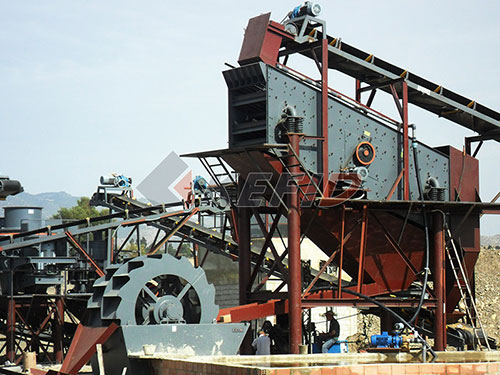
Before evaluating exporters, it's vital to grasp the core function and diversity within hammer mill technology:
1. Core Principle: A hammer mill utilizes rapidly rotating hammers (typically mounted on a rotor) within a hardened chamber to impact, shear, and pulverize material fed into it. Particle size reduction is achieved primarily through impact forces as material collides with hammers, breaker plates (liners), and screen perforations.
2. Components & Variations:
Rotor: The heart of the machine. Can be fixed or swinging hammer design; rotor diameter and width significantly impact capacity.
Hammers: Material (manganese steel, hardened steel), shape (bar, stirrup), weight, and mounting configuration influence grinding efficiency and wear life.
Screen/Perforated Sieve: Determines final particle size output. Screens are critical wear parts; hole size and open area percentage are crucial specifications.
Feed Mechanism: Gravity-fed chutes or pneumatic/mechanical conveyors ensure consistent material flow into the grinding chamber.
Air Assist/Dust Collection: Essential for controlling dust explosion risks (especially in milling grains or flammable materials) and improving efficiency by evacuating fines.
Drive System: Electric motor power rating (kW/HP) dictates capacity; options include direct drive via flexible coupling or belt drive systems offering speed adjustment possibilities.
3. Diverse Applications Drive Diverse Designs:
Agricultural Processing: Grinding grains (corn, wheat), oilseeds cake meal (soybean meal), forage/hay pellets for animal feed milling operations requiring consistent particle size distribution crucial for digestibility.
Biomass & Pellet Production: Size reduction of wood chips/shav