
Chaîne d'approvisionnement d'exploitation minière d'or de broyeur de timbres en marque blanche
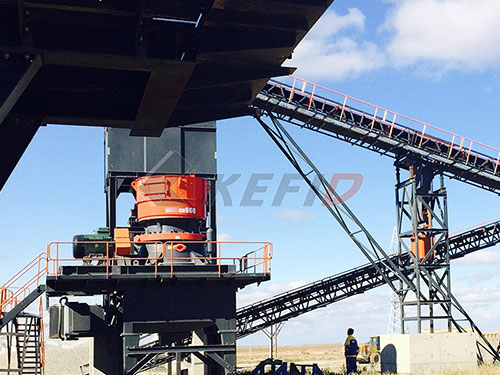

The Unseen Engine: White Label Stamp Mills & Their Critical Role in Modern Gold Mining Supply Chains
While flashy cyanide leaching plants and massive open-pit operations dominate headlines, a quieter yet profoundly resilient technology continues its rhythmic pulse at the heart of many gold recovery operations worldwide: the stamp mill. Often perceived as an anachronism, this centuries-old crushing method has undergone a quiet revolution through white label manufacturing, becoming an indispensable link in diverse and often complex global gold mining supply chains.
Comprendre le noyau: What is a Stamp Mill?
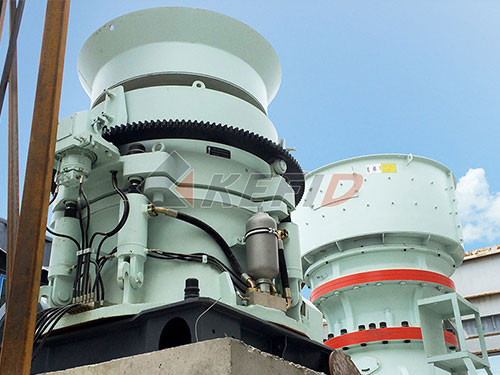
À son essence, a stamp mill is a mechanical crusher designed specifically for liberating gold from hard rock ore. Its operation is elegantly simple yet powerfully effective:
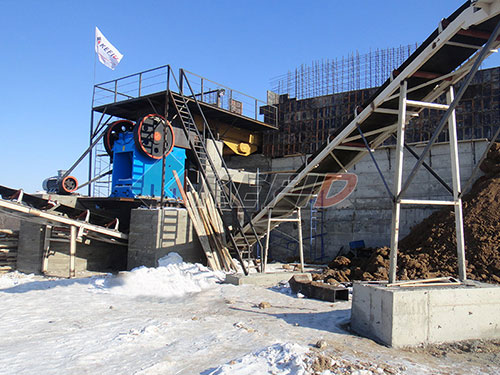
1. Ore Feed: Minerai concassé (typically reduced to manageable size via primary jaw crushers) is fed onto an inclined mortar box.
2. The Stamp Battery: Heavy metal stamps (historically wood-shod iron or steel), arranged vertically in sets ("batteries"), are lifted by rotating cams attached to a horizontal shaft.
3. Concassage par impact: As the cam rotates past its peak lift point, gravity takes over, causing the stamps to drop forcefully onto the ore within the mortar box.
4. Pulvérisation & Libération: This repeated pounding action pulverizes the rock into fine sand-like material ("boues"), effectively shattering quartz veins and freeing encapsulated gold particles.
5. Amalgamation/Leaching: Traditionally crushed ore was washed over mercury-coated copper plates where free gold would amalgamate (though this practice is increasingly restricted). Modern applications typically feed the crushed material directly into leaching circuits (CIP/CIL tanks using cyanide or alternative lixiviants) or gravity concentration systems like centrifugal concentrators.
Why Stamps Persist in a High-Tech World
Despite advances like ball mills and HPGRs (Rouleaux de broyage haute pression), stamp mills retain significant advantages:
Simplicité & Robustesse: Fewer moving parts than complex grinding circuits translate into lower maintenance requirements and higher reliability in remote locations.
Low Power Consumption: Compared to equivalent tonnage ball milling circuits operating continuously under load.
Selective Liberation: The percussive action can be more effective at breaking along mineral grain boundaries compared to pure attrition/abrasion grinding.
Coarse Gold Recovery Efficiency: When integrated correctly with gravity concentration immediately after crushing (par ex., secouer les tables), they excel at capturing