
types de concasseurs et leurs prix
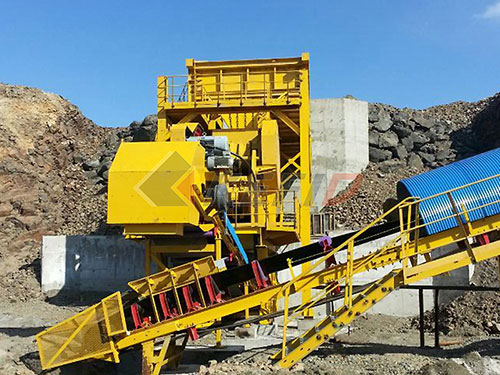

Understanding Crushers: Espèces, Applications, and Investment Considerations
The crushing stage is fundamental across numerous industries – mining aggregates for construction, processing minerals for extraction, recycling demolition waste into reusable materials, or preparing biomass for energy production. Selecting the right crusher is critical for operational efficiency, contrôle de la qualité des produits, et l'économie globale du projet. This guide explores common crusher types and provides insights into the factors influencing their prices.
Concasseurs primaires: The First Line of Size Reduction
1. Concasseurs à mâchoires:
Comment ils fonctionnent: Utilize two vertical jaws – one fixed, one moving in an elliptical motion – to compress material against the stationary plate until it fractures.
Idéal pour: Hard to moderately hard materials (granit, basalte), large feed size (up to 1-1.5m), primary crushing stage.
Sortir: Relatively coarse product (généralement 150-350 mm). Can produce cubical shapes but often yields some flaky particles.
Avantages: Conception robuste, simple operation & entretien, high capacity relative to size.
Limites: Less efficient on softer/sticky materials; output size less controlled than cone crushers.
2. Concasseurs giratoires:
Comment ils fonctionnent: Feature a conical head gyrating within a larger conical bowl; material is crushed progressively as it moves down towards the discharge.
Idéal pour: Very hard abrasive materials in high-capacity primary crushing applications (large mines/quarries).
Sortir: Similar coarse product range as jaw crushers but often at significantly higher throughput rates.
Avantages: Highest capacity of primary crushers; continuous crushing action; efficient with hard rock.
Limites: Very large footprint & installation height; higher capital cost than jaw crushers; complex maintenance requiring specialized skills.
Secondaire & Concasseurs tertiaires: Refining the Product
3. Concasseurs à cône:
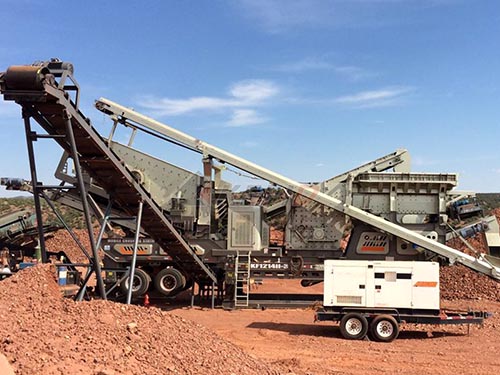
Comment ils fonctionnent: Material falls into a rotating mantle eccentrically gyrating within a concave bowl liner; crushed by compression between mantle and concave at various points.
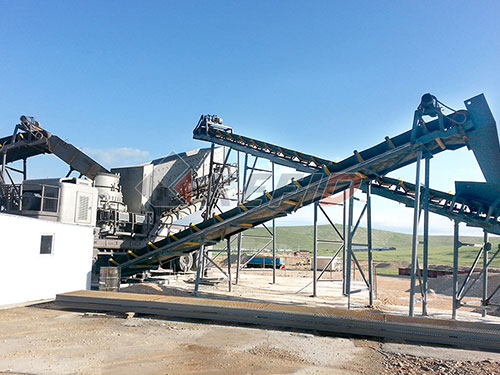
Idéal pour: Medium-hard to very hard materials; secondaire & étapes de concassage tertiaires; producing finer products than jaw/gyratory.
Sortir: Well-graded cubical product; size control achievable via adjusting eccentric throw/bowl position/crushing chamber design.