
Catalogue De Fabricant ODM D'usine De Concassage De Carrière De Pierre


Aperçu des produits ciblés: Usine de concassage de carrière de pierre stationnaire
1. OUVERTURE ENTRAÎNÉE PAR POINT DE DOULEUR
La gestion d'une opération de concassage de carrière de pierre présente des défis persistants qui ont un impact direct sur vos résultats.. Vivez-vous:
Temps d'arrêt opérationnel élevé: Pannes mécaniques fréquentes, longues fenêtres de maintenance, et arrêts imprévus pour éliminer les blocages ou remplacer les composants usés.
Gradation incohérente du produit final: Variabilité de la distribution de la taille des agrégats, conduisant au rejet du produit, cycles de recyclage, et difficulté à répondre à des spécifications strictes du projet.
Coûts excessifs d’énergie et d’usure: Les concasseurs et les convoyeurs fonctionnant à des niveaux non optimaux consomment plus d'énergie. Usure prématurée des doublures, mâchoires, et les écrans font augmenter votre métrique de coût par personne.
Manutention intensive de matériaux: Recours au tri manuel, intervention fréquente du chargeur pour dégager les trémies, et les risques de sécurité associés à l’interaction matérielle directe.
Limites d'évolutivité: Des configurations d'usine rigides qui ne peuvent pas être facilement ajustées aux changements de dureté des matières premières ou aux changements de la demande du marché pour différentes tailles de granulats..
Ces problèmes se traduisent par des pertes quantifiables: les temps d'arrêt imprévus peuvent coûter des milliers de dollars par heure en perte de production et en main d'œuvre inutilisée. Une installation stationnaire de concassage de carrière de pierre conçue pour résoudre ces problèmes spécifiques n'est pas seulement un achat d'équipement.; il s'agit d'un investissement stratégique dans la prévisibilité opérationnelle.
2. APERÇU DU PRODUIT
Notre installation stationnaire de concassage de carrière de pierre est une installation complète, système de traitement câblé conçu pour les primaires à grand volume, secondaire, et réduction tertiaire de la roche dynamitée en tailles de granulats spécifiées. Conçu pour une installation permanente avec une durée de vie mesurée en décennies, il constitue l'épine dorsale de la production continue de la carrière.
Flux de travail opérationnel:
1. Dumping primaire & Présélection: Tout au long de la carrière (ROQ) le matériau est déversé dans une trémie de réception de grande capacité, souvent avec un alimentateur grizzly pour contourner les matériaux subdimensionnés directement vers le convoyeur de produit principal.
2. Réduction de la taille primaire: Un concasseur primaire robuste (généralement un concasseur à mâchoires ou giratoire) effectue la décomposition initiale des gros rochers en fragments gérables.
3. Distribution de matériel & Concassage secondaire/tertiaire: Les convoyeurs transportent le matériau vers les étapes de concassage suivantes (concasseurs à cône ou à percussion) pour un perfectionnement supplémentaire. Un pont de criblage intégré trie les matériaux par taille.
4. Tri & Stockage: Les granulats de taille correcte sont acheminés via des réseaux de convoyeurs vers des stocks désignés. Les matériaux surdimensionnés sont recyclés (conception en circuit fermé) pour un broyage ultérieur.
Champ d'application & Limites:
Portée: Idéal pour le granit à fort tonnage, calcaire, basalte, grès, et autres carrières de minéraux abrasifs. Adapté aux opérations nécessitant une production constante de granulats de construction (base de route, pierre en béton, copeaux d'asphalte) et enrochement.
Limites: Non mobile ou déplaçable sans démontage important. Mise de fonds initiale et travaux de génie civil du site (fondations, sous-station électrique) sont substantiels. Une efficacité optimale nécessite une alimentation constante en matériau dynamité; une teneur importante en argile ou en humidité élevée peut nécessiter un prétraitement.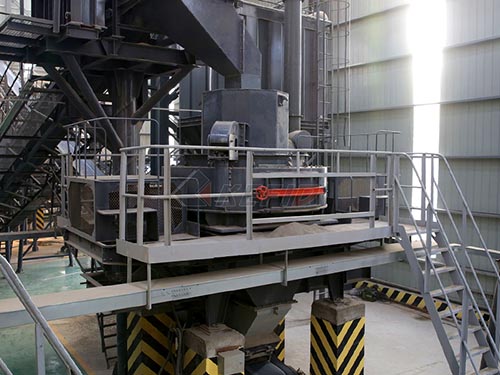
3. CARACTÉRISTIQUES PRINCIPALES
Système de contrôle intelligent | Base technique: Automatisation basée sur PLC avec capteurs de charge et de niveau | Avantage opérationnel: Surveille la charge du concasseur en temps réel pour réguler la vitesse du chargeur, empêcher l'étouffement ou le fonctionnement à vide | Impact sur le retour sur investissement: Jusqu'à 15% réduction de la consommation d'énergie et usure minimisée grâce à des cycles de fonctionnement optimaux.
Conception d'usine modulaire | Base technique: Modules de construction en acier préfabriqués avec interfaces standardisées | Avantage opérationnel: Permet une installation progressive, expansion future (ajout d'un circuit tertiaire), ou reconfiguration du flux | Impact sur le retour sur investissement: Réduit le temps de construction initial jusqu'à 30% et protège l'investissement à long terme contre l'évolution des besoins du marché.
Conception de composants d'usure robustes | Base technique: Alliages d'acier martensitique à haute teneur en chrome et géométries de cavité optimisées | Avantage opérationnel: Prolonge considérablement la durée de vie des revêtements, manteaux, concaves, et mailles de tamisage dans des conditions abrasives | Impact sur le retour sur investissement: Réduit le coût par tonne des pièces d'usure d'en moyenne 2035%, réduisant la fréquence des changements de pièces et la main d'œuvre associée.
Système de suppression de poussière intégré | Base technique: Buses de pulvérisation stratégiquement placées avec électrovannes liées au fonctionnement du convoyeur | Avantage opérationnel: Contrôle activement la poussière aux points de transfert et aux sorties du concasseur sans sursaturer le matériau | Impact sur le retour sur investissement: Assure le respect des réglementations environnementales en évitant les amendes/arrêts; améliore la visibilité du site et la santé des travailleurs.
Graissage centralisé & Système de lubrification | Base technique: Lignes de lubrification automatisées à point unique desservant les points de roulement clés de l'usine | Avantage opérationnel: Garantit que les composants critiques reçoivent une lubrification correcte dans les délais prévus, sans intervention manuelle | Impact sur le retour sur investissement: Empêche les défaillances catastrophiques des roulements; réduit le temps de maintenance planifiée de plusieurs centaines d'heures de travail par an.
Surtension de grande capacité & Zones tampons | Base technique: Trémies surdimensionnées et convoyeurs de stockage stratégiquement placés entre les étapes de concassage | Avantage opérationnel: Découple les étapes de production; si une unité s'arrête brièvement, les processus en amont/en aval peuvent continuer temporairement en utilisant du matériau tampon| Impact sur le retour sur investissement: Augmente la disponibilité globale de l’usine (disponibilité) en atténuant les arrêts en cascade.
4. AVANTAGES CONCURRENTIELS
| Mesure de performances | Référence des normes de l'industrie | Notre solution d'usine de concassage stationnaire | Avantage documenté |
| : | : | : | : |
| Disponibilité globale de l'usine (Temps de disponibilité) | 8588% par trimestre >90% par trimestre +35 points de pourcentage |
| Consommation d'énergie par tonne traitée| Varie considérablement selon le type de roche. 18% réduction via l’optimisation du système Prouvé par des audits de performance sur le terrain |
| Durée de vie des revêtements du concasseur primaire| À base d'alimentation en granit abrasif 550650 heures d'ouverture 750+ heures d'ouverture +20% amélioration |
| Temps moyen entre les pannes (MTBF) Entraînements/Convoyeurs| ~1 200 heures >1,800 heures +50% amélioration |
| Installation & Calendrier de mise en service (Champ vert)| 46 mois à compter de la livraison 34 mois à compter de la livraison ~25 % plus rapide grâce à la conception modulaire |
5. SPÉCIFICATIONS TECHNIQUES
Plage de capacité de conception: Configurable à partir de 300 à plus 1,500 tonnes métriques par heure (TPH), en fonction du choix du modèle et des caractéristiques de la roche.
Exigences d'alimentation: Le moteur du concasseur primaire varie généralement de 150 kW à 400 kW+. La puissance totale installée de la centrale peut varier de 800 kW à plus de 2 MW pour les grands complexes.. Nécessite une connexion à une sous-station haute tension dédiée.
Spécifications matérielles: Construit en acier de construction robuste (Qualité S355JR minimale). Les surfaces d'usure utilisent des revêtements en tôle d'acier AR400. Les composants du concasseur utilisent des alliages exclusifs de haute qualité.
Dimensions physiques & Fondation: L'empreinte au sol complète d'une usine peut aller d'environ 50 mx 40 m pour une installation compacte à plus de 150 mx 100 m pour des circuits à plusieurs étages avec un transport étendu.. Nécessite des fondations en béton d'ingénierie avec des boulons d'ancrage intégrés.
Plage de fonctionnement environnementale: Conçu pour des températures ambiantes de 20°C à +45°C. Les systèmes de suppression de poussière sont conçus pour fonctionner jusqu'à 80% humidité relative. Les boîtiers électriques répondent à l'indice IP65 pour la protection contre la pénétration de poussière et d'eau..
6. SCÉNARIOS D'APPLICATION
Grande carrière de granit approvisionnant le projet de route nationale
Défi: Production garantie nécessaire de plus de 1 millions de tonnes d'agrégats calibrés avec précision dans un délai de 18 mois en utilisant une alimentation en granit hautement abrasive.
Solution: Mise en place d'une installation de concassage stationnaire à trois étages comprenant un concasseur à mâchoires primaire, deux concasseurs à cône secondaires en parallèle et deux concasseurs à cône tertiaires en circuit fermé avec cribles à plusieurs étages.
Résultats: Production soutenue de 950 TPH atteinte. La cohérence de la gradation du produit répond aux spécifications du DOT avec un taux de réussite de 99, éliminant le retraitement. Disponibilité moyenne de l'usine de 92 sur la durée du projet.
Carrière de calcaire étendant sa gamme de produits
Défi: Une carrière existante produisant uniquement des matériaux de base cherchait à conquérir des marchés à plus forte valeur ajoutée pour les copeaux de béton et d'asphalte sans perturber la production actuelle.
Solution: Intégration d'un module complémentaire de concassage et de criblage de précision tertiaire dans la configuration de l'usine stationnaire existante en utilisant la philosophie de conception modulaire
Résultats: Production simultanée de trois nouveaux produits spécifiques possible Augmentation du chiffre d'affaires global par tonne de 40 L'expansion a été achevée lors d'un arrêt planifié de 12 jours avec un impact minimal sur la production de matériaux de base
7.CONSIDÉRATIONS COMMERCIALES
Nos installations stationnaires de concassage de carrière de pierre sont proposées sous trois niveaux principaux:
1.Niveau de configuration standard: Comprend un équipement de concassage, de criblage et de transport avec une automatisation de base pour des plages de capacité de 300 600 TPHP. Prix comme une solution clé en main comprenant des dessins de fondation et une assistance à la mise en service.
2.Niveau haute disponibilité: S'appuie sur le niveau standard avec des composants d'usure haut de gamme, des disques critiques en double, une lubrification automatisée et des capteurs de maintenance prédictive avancés. Comprend une couverture de garantie étendue.
3.Niveau d'ingénierie personnalisée: Pour des capacités dépassant 800 TPH ou des caractéristiques de matériaux complexes, implique une analyse CFD complète du flux de matériaux, une ingénierie structurelle personnalisée et des systèmes de contrôle de processus entièrement intégrés à l'échelle de l'usine.(SCADA)
Les fonctionnalités optionnelles incluent des systèmes de pesage embarqués, des convoyeurs gerbeurs radiaux pour la détection des métaux et des enceintes d'insonorisation pour le stockage.
Des packages de services sont disponibles, du support technique de base aux contrats de maintenance annuels complets, comprenant des kits de pièces et des inspections programmées par des ingénieurs formés en usine. Les options de financement, y compris le crédit-bail opérationnel et le financement de projet, peuvent être structurées selon des conditions alignées sur vos projections de flux de trésorerie.
8.FAQ
Q:Quels facteurs déterminent si nous avons besoin d'un circuit de concassage à deux ou trois étages?
UN:La décision est basée principalement sur les tailles de produit final requises.(F80)et le taux de réduction nécessaireUn circuit à trois étages est nécessaire pour produire une large gamme de produits, y compris des granulats fins, ou lorsqu'une cubique élevée est requise. Les données de terrain montrent que la plupart des carrières de granit nécessitent trois étapes, tandis que certaines opérations de calcaire peuvent fonctionner efficacement avec deux.
QComment ce système s'intègre-t-il à nos opérations primaires de dynamitage et de chargement existantes?
UN:La conception de l'installation stationnaire commence à la trémie de réception. Nous effectuons une analyse complète de votre flotte de camions de transport pour dimensionner la trémie pour un déversement efficace. Le système de contrôle peut être interfacé avec votre pont-bascule pour un suivi total de la production. L'intégration est une pratique standard.
QQuel est le calendrier de mise en œuvre typique, depuis la commande jusqu'à l'exploitation complète ??
Le délai de livraison d'une usine de niveau standard est généralement de 68 mois à compter de l'approbation de la commande. Cela comprend l'ingénierie, la fabrication, l'expédition et le montage sur site. La mise en service et la formation des opérateurs nécessitent 24 semaines supplémentaires en fonction de la complexité. Préparation du site(fondationsutilitaires)doit procéder en parallèle
QLes pièces de rechange sont-elles facilement disponibles étant donné notre emplacement éloigné?
ANous maintenons un réseau mondial de dépôts de pièces certifiés. Les profils de pièces d'usure critiques sont stockés en fonction de votre analyse de roche spécifique. De plus, nos contrats de maintenance peuvent inclure un inventaire stratégique de pièces sur site pour minimiser tout temps d'arrêt potentiel.
QCette usine peut-elle être automatisée pour fonctionner avec une intervention minimale de l'opérateur?
AOui, même si l'alimentation initiale peut nécessiter le fonctionnement du chargeur, l'ensemble du processus de concassage, de criblage et de transport peut être automatisé à partir d'une salle de contrôle centrale. Le système gère les débits d'alimentation, les paramètres du concasseur, le séquençage du convoyeur en fonction de paramètres prédéfinis ne nécessitant qu'une surveillance.