
Concasseur à percussion secondaire

Un concasseur à percussion secondaire est un type de machine de concassage utilisée dans la production de granulats., exploitation minière, and recycling to reduce the size of materials after primary crushing. It is designed to handle softer to medium-hard rocks (par ex., calcaire, asphalte, béton) and produce a more cubical product compared to primary crushers.
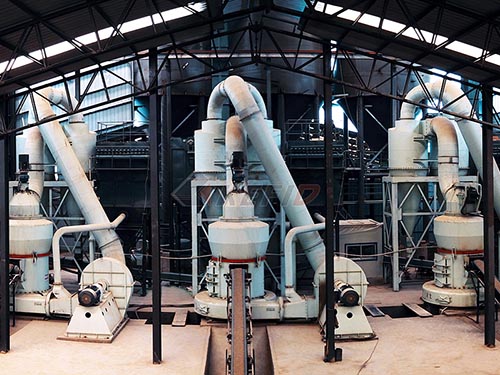
Principales fonctionnalités:
1. Fonction:
- Processes pre-crushed material (from jaw or gyratory crushers) into finer, more uniform sizes.
- Ideal for shaping aggregates and improving particle quality.
2. Principe de fonctionnement:
- Utilizes impact force from rotating hammers/blow bars striking the material against breaker plates or aprons.
- Material is crushed by high-speed impact and shear forces.
3. Types de concasseurs à percussion secondaires:
- Impacteurs à arbre horizontal (HSI): Common for softer materials; taux de réduction élevés.
- Impacteurs à arbre vertical (TOUT LE MONDE): Better for cubical shaping (par ex., sand production).
4. Avantages:
- Produces well-shaped, uniform end products.
- Higher reduction ratio than cone crushers for certain materials.
- Lower operating costs in some applications compared to compression crushers.
5. Applications:
- Production globale (base de route, béton, asphalte).
- Recyclage (béton, déchets de démolition).
- Exploitation minière (soft to medium-hard ores).
6. Limites:
- Not ideal for very hard or abrasive materials (par ex., granit).
- Higher wear on blow bars/hammers than compression crushers.
Comparaison avec d'autres concasseurs:
- Concasseur primaire (Mâchoire/giratoire): Handles large raw feed; sortie grossière.
- Concasseur à percussion secondaire: Refines material; bet
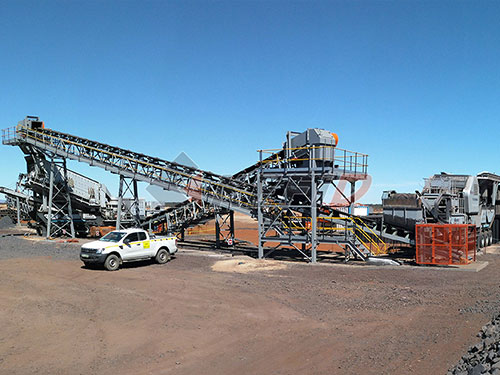
shape/size control.
- Concasseur à cône: Better for hard/abrasive rocks but less cubical output.
Popular Brands/Models:
- Série NP
- Série CI
- Cedarapids IP Series
- Kleemann MR Series
Souhaitez-vous des détails sur la maintenance, capacity selection, or specific use cases?