
Diagramme schématique d'un 400 Usine de concassage de roches de tonnes par heure
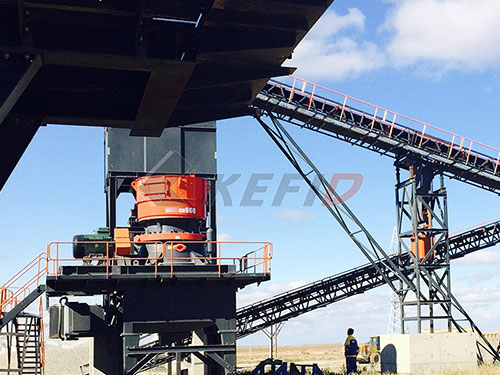

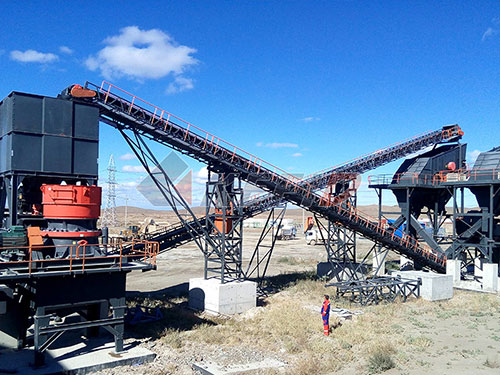
The Engineered Flow: Schematic of a 400 TPH Rock Crushing Plant
Processing raw rock into precisely sized aggregates demands a sophisticated and efficient system. A schematic diagram for a 400-ton-per-hour (TPH) rock crushing plant provides the essential blueprint for understanding the sequence of operations, equipment interconnections, and material flow necessary to achieve this high-capacity output reliably. This article outlines the typical components and flow depicted in such a schematic.
Core Objective: Transform large blasted rock (généralement jusqu'à 1 meter or more in size) into various saleable aggregate products (par ex., matériau de base, pierre en béton, copeaux d'asphalte, sable) meeting specific size specifications at a rate of 400 tons every hour.
Étapes & Components in the Schematic:
1. Consommation alimentaire & Scalping:
Primary Dump Hopper: Large blasted rock is dumped by haul trucks into a robust, reinforced concrete or steel hopper. Capacity is designed to buffer surges in truck deliveries.
Mangeoire vibrante pour grizzlis (VGFF VGF): Positioned below the hopper. Ses fonctions principales sont:
Regulated Feed: Controls the rate of material entering the primary crusher, preventing overload.
Scalping: Enlève les matières fines (often undersized for primary crushing or soil) through its grizzly bars (typically spaced 4-6 pouces / 100-150mm apart). This bypasses the primary crusher, améliorer l'efficacité et réduire l'usure.
Protection: Removes very large, non-crushable debris ("clochard métal" can be handled later).
2. Concassage primaire (Réduction grossière):
Concasseur primaire: Receives scalped feed from the VGF. Pour un 400 TPH plant handling hard rock:
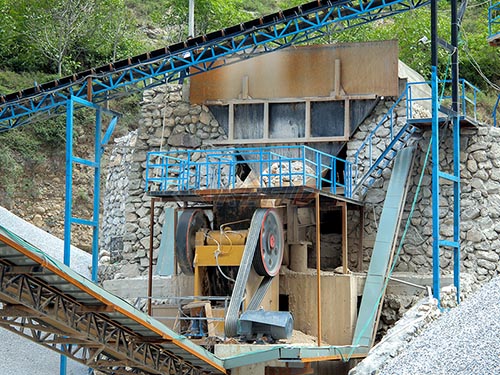
Curseur de mâchoire: Common choice for its robustness and ability to handle large feed sizes. A large jaw crusher (par ex., 60" x 89" or similar) with appropriate power is typical.
(Alternative: Concasseur giratoire): Offers higher capacity potential in a single unit but often has higher capital cost.
Fonction: Reduces rock from ~1m down to roughly 6-8 pouces (150-200mm).
3. Concassage secondaire & Boucle de dépistage:
Convoyeur (C1): Transports primary crushed material