
Délocalisation d'usines de concassage semi-mobiles en Indonésie et en Chine
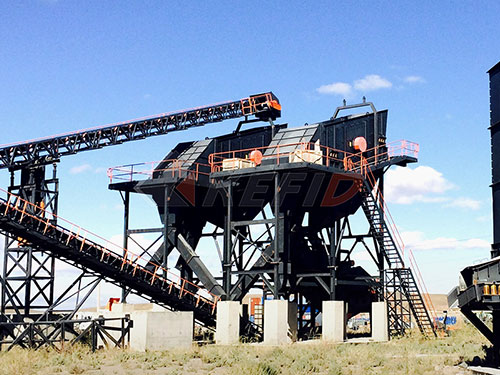

Relocation of Semi-Mobile Crushing Plants: Strategic Imperatives in Indonesia and China
The dynamic nature of modern mining and large-scale infrastructure projects frequently necessitates the movement of critical processing equipment. Semi-mobile crushing plants (SMCPs), bridging the gap between fixed installations and fully mobile crushers, are increasingly vital assets in this context. Their strategic relocation within Indonesia and China – two nations experiencing massive resource extraction and construction booms – presents unique challenges and significant opportunities for operational optimization.
L’impératif de la mobilité
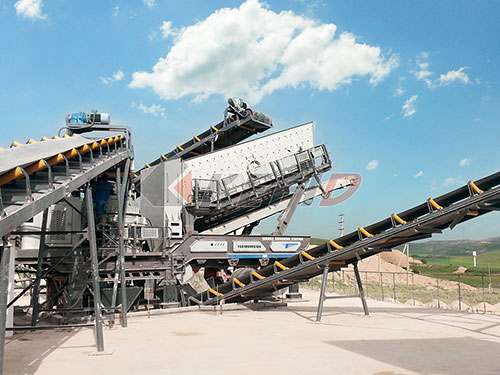
SMCPs are designed for periodic movement, though not as frequently as fully mobile units. drivers for their relocation include:
1. Depletion & New Deposits: Exhausting one section of a mine or quarry while opening up a new face often requires moving the primary crushing closer to the new feed source to minimize costly truck haulage distances.
2. Project Phasing: Large linear projects (barrages, autoroutes) progress along a defined path. Relocating the crushing plant keeps it optimally positioned relative to the active construction front.
3. Contract Flexibility: Contractors serving multiple clients or sites benefit from the redeployability of SMCPs.
4. Regulatory Shifts: Changes in permitted mining areas or environmental constraints can necessitate plant repositioning.
The Relocation Process: A Complex Undertaking
Relocating an SMCP is far more complex than moving standard mobile equipment. It involves a meticulously planned sequence:
1. Detailed Planning & Ingénierie:
Route Survey: Assessing access roads, ponts, overhead lines, turning radii, and ground conditions between current and future locations.
Préparation du site: Ensuring stable foundations (often concrete sleepers or pads) at the new site with proper drainage and access.
Disassembly Strategy: Determining optimal break points based on module weight, transport dimensions, crane capacity, and reassembly efficiency.
Permitting: Securing necessary transport permits (oversize/overweight), road closures (if needed), and site-specific approvals.
2. Safe Shutdown & Disconnection: Isolating energy sources (électrique, hydraulique), safely locking out equipment, disconnecting conveyors, mangeoires, systèmes de suppression de poussière, and control cabling.
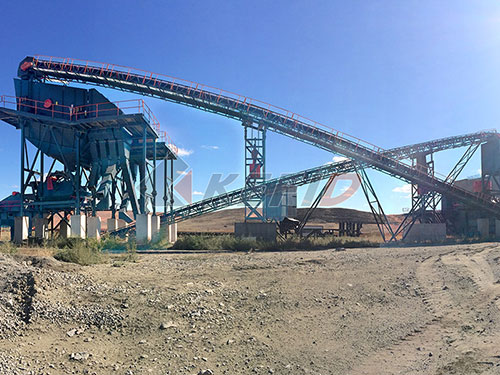
3. Disassembly & Module Preparation:
Breaking down the plant into transportable modules (primary crusher frame/skid, concasseurs secondaires/tertiaires, écrans, transfer towers/chutes, conveyor sections