
Usine de concassage secondaire mobile

Mobile Secondary Crushing: Overview and Key Considerations
Mobile secondary crushing refers to the use of portable crushers to further process materials after primary crushing, typically in mining, carrière, et applications de recyclage. These systems offer flexibility, efficacité, and reduced transportation costs by processing materials on-site.
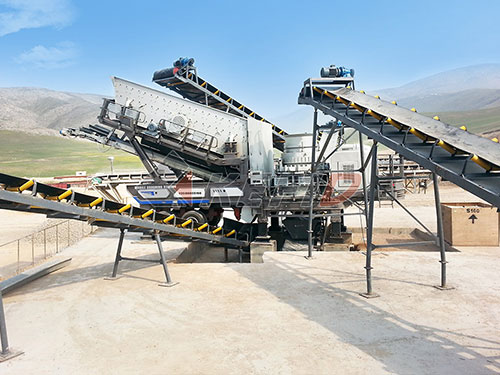
Key Components of Mobile Secondary Crushing Systems
1. Types de concasseurs:
- Concasseurs à cône: Idéal pour les matériaux durs et abrasifs (par ex., granit, basalte), produire des agrégats bien formés.
- Concasseurs à percussion: Suitable for softer or recycled materials (par ex., calcaire, asphalte), offering high reduction ratios.
- Concasseurs à mâchoires (pour le secondaire): Less common but used for specific applications requiring coarse output.
2. Mobility Features:
- Track-mounted or wheeled chassis for easy relocation.
- Self-contained power (diesel ou électrique) for remote operations.
- Compact designs to fit constrained sites.
3. Système d'alimentation:
- Receives pre-crushed material from primary crushers (par ex., jaw or gyratory crushers).
- May include vibrating feeders or conveyor belts for consistent material flow.
4. Screening Integration:
- Some units feature built-in screens to classify output into desired sizes (par ex., 0–5mm, 5–20mm).
- Closed-circuit designs recirculate oversized material for re-crushing.
Avantages
- Flexibilité: Rapid setup and relocation between job sites.
- Économies de coûts: Reduces trucking needs by processing on-site.
- Évolutivité: Can be paired with mobile primary crushers and screens for full mobile crushing circuits.
- Avantages environnementaux: Lowers dust and noise vs. fixed plants in some configurations.
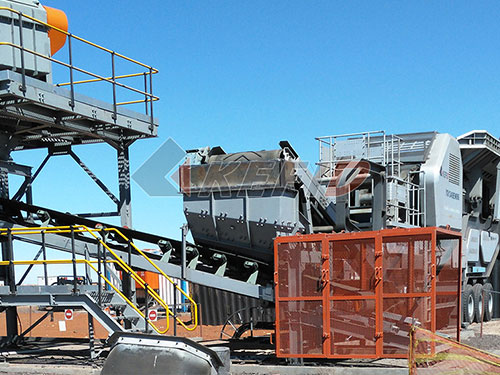
Applications
- Production globale (base de route, granulats de béton).
- Recyclage (béton, déchets de démolition d'asphalte).
- Opérations minières (traitement du minerai).
Considérations de sélection
1. Material Hardness/Abrasiveness: Dictates crusher type (cône contre. impact).
2. Output Size Requirements: Fine aggregates may need cone crushers; impact crushers excel at mid-range sizes.
3. Capacité de production: Match throughput to primary crusher output (par ex., 150–400 tph for mid-sized operations).
4. Mobility Needs: Track-mounted units suit rough terrain; wheeled options favor road mobility.
Modèles populaires
-