
Machine de concassage d'argile

Libérer l’efficacité: The Essential Role of Clay Crushers in Modern Industry
The transformation of raw clay into a workable material is a fundamental step in numerous industries, from brick and tile manufacturing to pottery and ceramics. At the heart of this crucial pre-processing stage lies a specialized piece of equipment: the Clay Crusher (often referred to as Mesin Penghancur Tanah Liat or Mesin Crushing Tanah Liat). Far more than simple size reduction, these machines are engineered to tackle the unique challenges posed by raw clay, unlocking efficiency and quality in downstream processes.
The Challenge of Raw Clay
Raw clay, especially when excavated directly from pits, presents distinct obstacles:
1. Teneur élevée en humidité: Clay naturally holds significant water, making it sticky and cohesive.
2. Composition variable: It often contains lumps, hard nodules, pierres, roots, and other impurities.
3. Plasticity: Its inherent plasticity causes it to deform rather than fracture cleanly under pressure.
Traditional crushing methods used for harder minerals often fail with wet clay. Jaw crushers can jam; hammer mills may simply smear the material without effective size reduction or homogenization. This inefficiency leads to bottlenecks, énergie gaspillée, inconsistent raw material quality, and increased wear on downstream equipment like mixers or extruders.
The Clay Crusher: Conçu pour la tâche
Modern clay crushers are specifically designed to overcome these challenges:
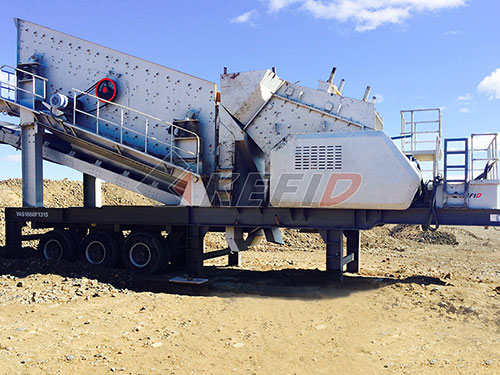
1. Construction robuste: Built with heavy-duty frames and components to withstand the abrasive nature of clay and potential hard inclusions.
2. Specialized Crushing Mechanism: Instead of relying solely on compression (like jaw crushers), they typically employ counter-rotating rollers equipped with specialized teeth or blades.
Tonte & Tearing Action: The intermeshing teeth grab lumps of clay and subject them to powerful shearing and tearing forces. This action is far more effective at breaking down wet, sticky clumps than pure compression.
Contrôle de la taille: The gap between the rollers determines the maximum output particle size. Adjustable gaps allow operators flexibility based on specific process requirements.
3. Flux de matières & Anti-Clogging Design:
Large feed openings accommodate variable-sized lumps.
Angled breaker plates or deflectors guide material effectively into the crushing zone.
The tearing action itself helps prevent material build-up ("blinding") that plagues other crusher types with sticky feed.
4