
concasseur à mâchoires série jc coût total de possession aux philippines
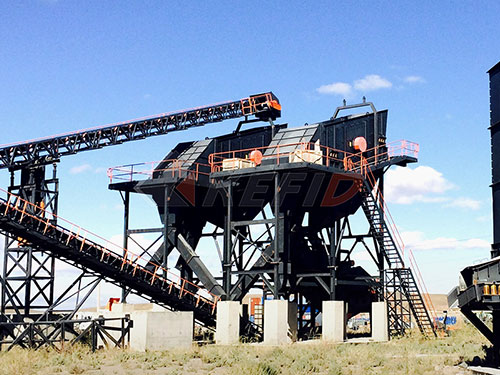

Au-delà du prix: Unlocking True Value with JC Series Jaw Crushers in the Philippines
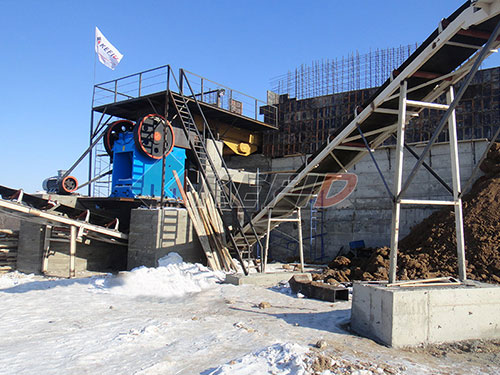
Introduction: The Philippine Aggregates Boom and the Real Cost of Crushing
The Philippines is experiencing unprecedented growth in infrastructure development. Driven by ambitious government programs like "Construire, Better More" and a surging private construction sector, la demande de granulats de haute qualité – pierre concassée, gravier, and sand – is skyrocketing. From massive expressway projects and modern airports to resilient housing developments and commercial hubs, the backbone of this progress relies heavily on efficient and reliable rock crushing equipment.
Pour les exploitants de carrières, entrepreneurs, and mining companies fueling this boom, selecting the right primary crusher is a critical decision. While the initial purchase price of a jaw crusher naturally grabs attention, focusing solely on this figure is a short-sighted approach that can lead to significantly higher operational costs and reduced profitability over time. The true measure of an equipment investment lies in its Total Cost of Ownership (Coût total de possession).
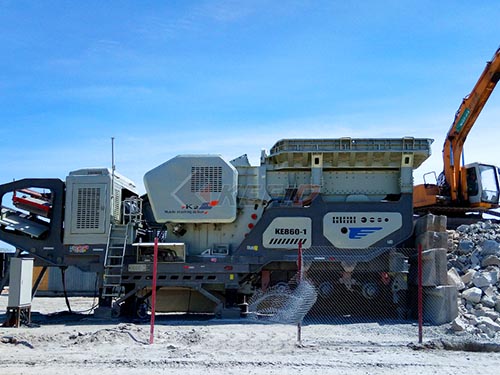
This article delves deep into why TCO analysis is paramount for crushing operations in the unique Philippine context and demonstrates how choosing a technologically advanced solution like the JC Series Jaw Crusher translates into substantial long-term savings, enhanced productivity, and superior return on investment (Retour sur investissement).
Understanding Total Cost of Ownership (Coût total de possession) in Crushing Operations
TCO represents the comprehensive cost associated with purchasing, fonctionnement, maintaining, and ultimately disposing of a piece of equipment throughout its entire lifecycle. For a jaw crusher operating 12-16 hours a day in demanding Philippine conditions (humidité élevée, abrasive rock types like basalt or andesite), TCO encompasses far more than just the invoice price:
1. Initial Purchase Price: The capital expenditure (CAPEX) to acquire the machine.
2. Installation & Mise en service: Costs for foundation work, branchement électrique, conveying setup integration.
3. Consommation d'énergie: A massive ongoing operational expenditure (OPEX), especially given relatively high electricity costs in many parts of the Philippines.
4. Wear Parts Consumption & Coûts de remplacement: The frequency and cost of replacing jaw plates (joues), toggle plates, bearings – directly impacted by rock abrasiveness and crusher design efficiency.
5. Maintenance Labor & Temps d'arrêt: Costs associated with routine servicing (contrôles de lubrification), unscheduled repairs due to failures or excessive wear, et surtout, the lost production during downtime.
6. Operational Labor: Efficiency impacting how much