
Prix de l'extraction de l'or de l'usine de timbres industriels


1. OUVERTURE ENTRAÎNÉE PAR POINT DE DOULEUR
Vos opérations de récupération d’or sont-elles limitées par les limites de votre circuit primaire de concassage et de broyage ?? Un broyage inefficace a un impact direct sur vos résultats en raison d'une consommation d'énergie excessive., coûts d'usure élevés des consommables, et une libération minérale sous-optimale. Les principaux défis liés aux opérations des usines de tamponnage conventionnelles comprennent: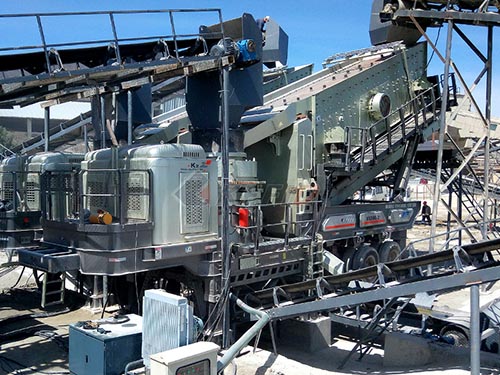
Coût opérationnel élevé: Les broyeurs obsolètes consomment une énergie disproportionnée par tonne de minerai traité. La maintenance de nombreux tampons et mortiers individuels entraîne des heures de main-d'œuvre et des coûts d'inventaire de pièces importants.
Mouture incohérente & Mauvaise libération: Réaliser un uniforme, la taille optimale des particules pour une récupération maximale de l'or par cyanuration ou séparation par gravité est difficile. Le surbroyage gaspille de l’énergie et crée des slimes; le sous-broyage enferme de l'or précieux dans la roche hôte.
Temps d'arrêt excessif: La complexité mécanique des broyeurs à tampons traditionnels, avec plusieurs arbres à cames, élévateurs, et des timbres, crée plusieurs points de défaillance. Les arrêts imprévus pour réparation interrompent directement la production et retardent les revenus..
Évolutivité & Limites du contrôle: Le réglage manuel des débits d'alimentation et de la hauteur de chute en fonction de la dureté variable du minerai est imprécis, conduisant à une instabilité des processus et rendant difficile la mise à l'échelle efficace des opérations.
Votre exploitation est-elle prête à passer d'une méthode historique à forte intensité de maintenance à une méthode contrôlée ?, processus de broyage à haute efficacité conçu pour répondre aux exigences modernes de récupération?
2. APERÇU DU PRODUIT
Le broyeur à timbres industriel moderne est une machine de concassage et de broyage à gravité spécialement conçue pour la réduction fiable du minerai de quartz aurifère et d'autres matériaux semi-abrasifs.. Il sert de solution robuste de concassage primaire ou secondaire, particulièrement efficace dans les scénarios d'exploitation minière en roche dure et les opérations à petite échelle où la simplicité opérationnelle et la durabilité sont primordiales.
Flux de travail opérationnel:
1. Alimentation contrôlée: Le minerai brut ou le minerai concassé primaire est introduit via un convoyeur ou un alimentateur régulé dans la trémie d'alimentation du broyeur..
2. Comminution par gravité: Le minerai descend dans des caisses de mortier où, timbres soulevés mécaniquement (5002000 livres chacun) sont lâchés dans un cycle contrôlé, pulvériser le matériau par impact.
3. Classement des tailles & Décharge: Le matériau broyé passe à travers une grille grillagée au fond de chaque boîte à mortier. Le matériau surdimensionné reste pour un impact supplémentaire, while liberated material flows out as slurry for subsequent processing (par ex., tableaux de concentrations, cyanidation tanks).
Champ d'application & Limites:
Portée: Idéal pour le broyage libre des minerais d'or où la récupération par gravité est viable. Wellsuited for remote operations with reliable mechanical power (electric or diesel). Efficace sur les veines de quartz et les dépôts de roches dures.
Limites: Pas optimal pour le soft, minerais riches en argile qui provoquent un tassement. Less energyefficient per ton than modern ball mills or HPGRs for largescale (>500 DPT), continuous processing circuits focused solely on fine grinding for leaching.
3. CARACTÉRISTIQUES PRINCIPALES
Conception de boîte à mortier modulaire | Base technique: Segmenté, highchrome iron castings with replaceable liners | Avantage opérationnel: Isolated wear sections can be replaced individually during scheduled maintenance, avoiding full box replacement | Impact sur le retour sur investissement: Reduces liner inventory cost by up to 40% and cuts replacement downtime by 60%
Arbre à cames de précision & Système de levage | Base technique: Forged steel components with computerized dynamic balancing | Avantage opérationnel: Ensures even lift and drop of all stamps, minimizing vibrationinduced stress on the frame and foundation | Impact sur le retour sur investissement: Prolonge la durée de vie des principaux composants d'une estimation 30%, reducing lifetime capital costs
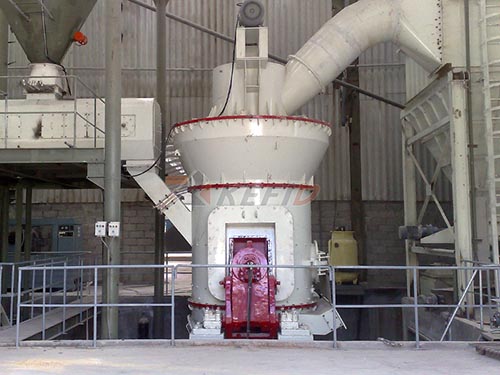
Hauteur de chute réglable & Fréquence | Base technique: Variateur de fréquence (VFD) on the main drive motor coupled with an adjustable cam profile | Avantage opérationnel: Les opérateurs peuvent affiner l'énergie d'impact et la cadence de cycle en réponse à la variabilité de la dureté du minerai en temps réel. | Impact sur le retour sur investissement: Optimise la consommation d’énergie spécifique (kWh/tonne) par 1525% par rapport aux broyeurs à cycle fixe
Système de chasse d'eau intégré | Base technique: Buses stratégiquement placées dans la boîte à mortier | Avantage opérationnel: Maintient un débit de boue constant, empêche l'éblouissement de l'écran, et contrôle la poussière au point d'impact | Impact sur le retour sur investissement: Améliore la cohérence du débit en réduisant les interventions de nettoyage manuel; améliore la sécurité opérationnelle
Système de lubrification centralisé à la graisse | Base technique: Collecteur automatisé délivrant de la graisse à tous les principaux points de roulement à partir d'une seule station | Avantage opérationnel: Garantit que les roulements critiques sont lubrifiés de manière cohérente sans recourir à des routines manuelles dans les zones dangereuses | Impact sur le retour sur investissement: Réduit les taux de défaillance des roulements d'environ 50%, éviter des dommages secondaires coûteux
4. AVANTAGES CONCURRENTIELS
| Mesure de performances | Norme de l'industrie (Moulin à timbres hérité) | Solution de moulin à timbres industriel moderne | Avantage (% Amélioration) |
| : | : | : | : |
| Disponibilité | ~7580% (arrêts imprévus fréquents) | >92% (permis par une conception robuste & entretien planifié) | +15% Temps de disponibilité de la production |
| Tonnes traitées par kWh| Référence (100%) Très variable en raison des limites de contrôle| Les données de terrain montrent une amélioration constante via le contrôle VFD & cinétique optimisée| +18% Efficacité énergétique |
| Coût d’usure du revêtement par tonne| Ensembles de revêtements de boîtes de mortier complets remplacés en masse| Les doublures modulaires réduites ciblent uniquement les sections usées; matériaux en alliage plus durs| 35% Coût des consommables |
| Distribution granulométrique (100 engrener)| Incohérent conduit à des pertes de récupération dans les processus en aval| Des paramètres de chute contrôlés et cohérents permettent une mouture plus uniforme pour une libération améliorée.| Amélioration de la récupération de l'or +58% en circuit gravitaire |
5. SPÉCIFICATIONS TECHNIQUES
Plage de capacité: Configurable à partir de 5 à 50+ Tonnes par heure (TPH), selon modèle (nombre de timbres) et caractéristiques du minerai.
Exigences d'alimentation: Moteur d'entraînement primaire de 75 kW à 400 kW (100 HP à 500+ HP), équipé de Soft Start ou VFD pour une accélération contrôlée. Tension standard: 480V/3Phase/60Hz (autres tensions disponibles).
Spécifications matérielles:
Timbres: Noyaux en acier forgé avec têtes interchangeables en acier trempé.
Revêtements de boîtes de mortier / Meurt: Fer blanc à haute teneur en chrome (700+ BHN) ou acier au manganèse pour une résistance extrême à l'abrasion.
Cadre & Arbres à cames: Tôles d'acier de construction robustes et pièces forgées.
Dimensions physiques: L'empreinte au sol typique varie de 6 m de long x 4 m de large x 5 m de haut. (pour une unité de 5 timbres) jusqu'à 15 m de longueur x 8 m de largeur x 7 m de hauteur (pour une unité de 20 timbres). Exigences des fondations détaillées dans les dessins techniques.
Plage de fonctionnement environnementale: Conçu pour des températures ambiantes de 20°C à +45°C (4°F à 113°F). Les entraînements à engrenages fermés protègent contre la pénétration de poussière; joints spéciaux disponibles pour les environnements très humides.
6. SCÉNARIOS D'APPLICATION
Expansion d’une mine de roche dure à moyenne échelle
Défi:
Une exploitation aurifère ouest-africaine utilisant des concasseurs à mâchoires traditionnels suivis de broyeurs à marteaux a connu des coûts d'usure élevés et une libération médiocre de son minerai de veine de quartz., plafonnement de la récupération gravitationnelle à ~ 55 %. Les temps d'arrêt pour les changements de grille du broyeur à marteaux étaient excessifs.
Solution:
Installation de deux lignes de broyeurs industriels parallèles comme broyeurs secondaires/broyeurs primaires en avance sur les tables de concentration existantes.
Résultats:
La taille des particules transmises aux tables est devenue beaucoup plus cohérente. La récupération par gravité a augmenté jusqu'à plus 63%. Les coûts des pièces d'usure ont diminué d'environ $0.85 par tonne traitée en raison de la résistance à l'abrasion supérieure du broyeur à tampons par rapport aux composants du broyeur à marteaux.
Projet de retraitement minier historique
Défi:
Un entrepreneur qui retraite des résidus historiques en Amérique du Nord avait besoin d'un, solution de concassage semi-portable capable de traiter des matériaux variables, des fines altérées aux morceaux de vieux conglomérat, avec une complexité opérationnelle minimale sur un site distant.
Solution:
Déploiement d'une usine de fabrication de tampons industriels sur skid avec convoyeur d'alimentation et système d'eau intégrés.
Résultats:
L'unité a atteint un traitement stable d'environ 12 TPH avec seulement deux opérateurs. Sa tolérance aux tailles d'alimentation variables élimine le besoin d'un pré-criblage précis. Le projet a atteint son objectif de volume plus tôt que prévu grâce à >90% disponibilité mécanique.
7. CONSIDÉRATIONS COMMERCIALES
Nos broyeurs de tampons industriels sont proposés selon des niveaux de prix clairs en fonction de la capacité de production.:
1. Unités de service standard (<15 TPH): Conçu pour les usines pilotes ou les petites réserves.
2. Unités de service de production (1535 TPH): La gamme la plus courante pour les opérations dédiées au hard rock.
3. Unités robustes (>35 TPH): Conçu pour les opérations de concassage primaire à grande échelle ou les opérations en plusieurs équipes.
Les fonctionnalités optionnelles incluent des packages avancés de traitement des boues, des systèmes de contrôle automatisés intégrant des capteurs de débit d'alimentation, des packages de télémétrie de surveillance à distance
Nous proposons des packages de services complets allant de la supervision de mise en service de base jusqu'aux contrats de maintenance pluriannuels complets, y compris l'assistance technique prioritaire en matière de fourniture de pièces.
Des options de financement flexibles sont disponibles, y compris la location d'équipements, les prêts de capital, les structures de financement de projets, le soutien sur mesure, les études de faisabilité, garantissant le financement du projet.
Section FAQ
Q1 Comment une usine de tamponnage industrielle s'intègre-t-elle dans un circuit d'usine de lixiviation au carbone existant?
Il sert généralement d'unité de broyage principale après le concassage initial à mâchoires. La boue de décharge peut être introduite directement dans un système de cyclone classificateur de broyeur à boulets encore réduit avant la lixiviation, offrant ainsi une efficacité de broyeur à boulets de taille d'alimentation plus contrôlée.
Q2 Quelle est la durée de vie opérationnelle prévue avant une révision majeure?
Avec un entretien approprié, les composants structurels de base des cadres, les arbres à cames ont une durée de vie supérieure à plusieurs années. Les composants d'usure tels que les sabots de tête de filière nécessitent un remplacement en fonction du tonnage traité généralement tous les mois en fonction de l'abrasivité du minerai.
Q3 Ces usines peuvent-elles traiter des minerais d'or sulfurés?
Bien que capable de broyer physiquement les minerais sulfurés, la pyrite d'arsénopyrite peut générer des boues acides nécessitant une sélection minutieuse des matériaux, des pièces d'usure, des systèmes de manutention des boues, une consultation nécessaire sur une minéralogie spécifique
Q4 Quel niveau de formation d'opérateur est requis?
La formation se concentre sur l'inspection de routine de la sécurité mécanique, les procédures de lubrification, l'ajustement de la fréquence de la hauteur de chute. Nous fournissons des manuels de formation complets sur site pour garantir l'autonomie de l'équipage au cours de la semaine de mise en service.
Q5 Les pièces de rechange sont-elles facilement disponibles dans le monde entier?
Nous maintenons des stocks de pièces stratégiques dans les régions clés garantissant la disponibilité des éléments d'usure critiques revêtements modulaires joints de levage Les conceptions standardisées garantissent un support à long terme des pièces au-delà du cycle de vie typique de l'équipement
Q6 Quel modèle de production standard de délai de livraison typique?
Les délais de livraison varient en fonction des spécifications du modèle. Les unités standard actuelles sont expédiées sous quelques semaines. Confirmation de commande. Les solutions personnalisées peuvent nécessiter un temps de fabrication technique supplémentaire. Calendrier de projet détaillé fourni sur demande.