
Concasseur à percussion

An Impact Crusher is a type of crushing machine that uses impact force to break down materials. Il est largement utilisé dans l'exploitation minière, construction, and recycling industries to crush rocks, béton, et d'autres matériaux durs en plus petits, more manageable sizes.
How Does an Impact Crusher Work?
1. Alimentation: Material enters the crusher through a feed hopper.
2. Rotor & Barres de soufflage: A high-speed rotor with attached blow bars (marteaux) strikes the incoming material.
3. Concassage par impact: The material is thrown against impact plates (or aprons), where it breaks due to the force of impact.
4. Adjustable Settings: The gap between the rotor and impact plates can be adjusted to control the output size.
5. Décharge: Le matériau broyé sort par l'ouverture de déchargement.
Types of Impact Crushers
1. Horizontal Shaft Impact Crusher (HSI)
- Uses a horizontal rotor with blow bars.
- Ideal for softer materials like limestone and recycled concrete.
- Commonly used in aggregate production.
2. Concasseur à percussion à arbre vertical (TOUT LE MONDE)
- Uses a vertical rotor with high-speed impellers.
- Produces finely shaped cubical aggregates (sand-making).
- Often used in sand production and fine crushing.
Advantages of Impact Crushers
✔ Rapport de réduction élevé (jusqu'à 20:1)
✔ Good particle shape (cubical output)
✔ Versatile for soft to medium-hard materials
✔ Lower operational costs compared to jaw or cone crushers
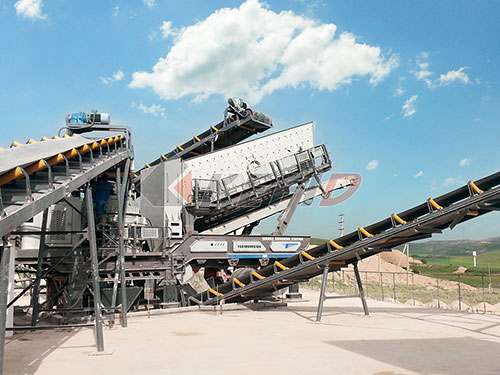
Applications courantes
- Carrières & exploitation minière (calcaire, granit, etc.)
- Recyclage (béton, déchets de démolition d'asphalte)
- Aggregates production for construction
- Sand manufacturing (VSI crushers)
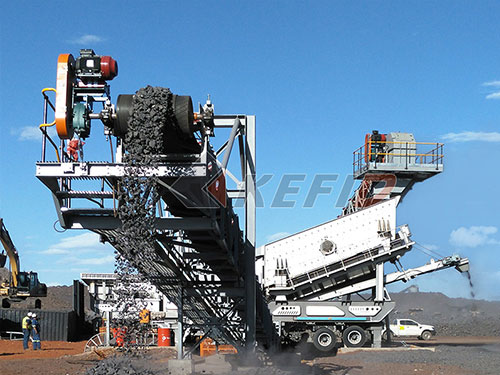
Limites
❌ Not ideal for very hard or abrasive materials (par ex., basalte) without wear-resistant linings.
❌ Higher wear on blow bars and impact plates compared to compression crushers.
Souhaitez-vous des détails sur la maintenance, specific brands, ou comparaisons avec d'autres concasseurs?