
Entraînement hydraulique pour concasseur à mâchoires
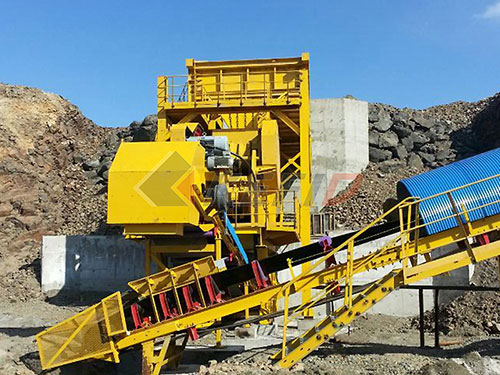

Entraînement hydraulique pour concasseurs à mâchoires: Powering Efficiency and Reliability
The relentless demands of mining and aggregate production necessitate robust and efficient primary crushing equipment. Parmi ces fidèles, le concasseur à mâchoires règne en maître pour sa simplicité et son efficacité dans la réduction des grosses roches à des tailles gérables. Alors que les entraînements mécaniques traditionnels servent fidèlement depuis des décennies, the integration of hydraulic drive systems represents a significant technological leap forward, unlocking enhanced performance, operational flexibility, and critical safety features.
Moving Beyond the Flywheel: The Hydraulic Advantage
Conventional jaw crushers rely heavily on large flywheels connected via V-belts to an electric motor or diesel engine. These flywheels store kinetic energy during the non-crushing half of the cycle (the return stroke of the moving jaw) and release it during the crushing stroke to fracture the rock.
Hydraulic drive fundamentally changes this paradigm:
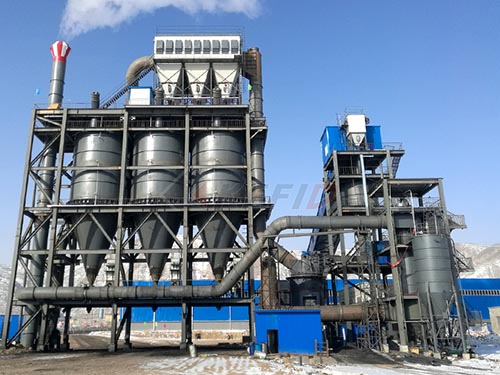
1. Direct Power Transmission: Instead of belts and flywheels, a hydraulic power unit (HPU) – comprising a prime mover (moteur électrique ou moteur diesel), hydraulic pump(s), vannes, accumulators, and hoses – directly powers hydraulic motors connected to the crusher's eccentric shaft.
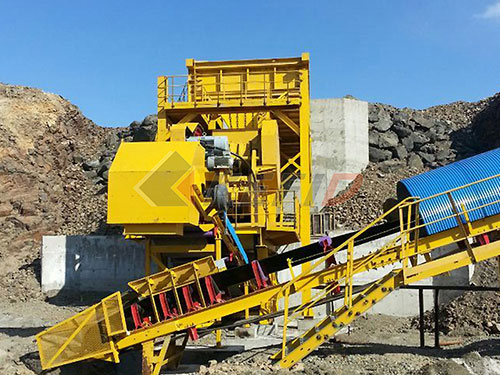
2. Contrôle de vitesse variable: This is arguably the most transformative benefit. Operators can precisely control the rotational speed of the eccentric shaft (and thus the cycling speed of the jaw) via hydraulic flow control valves.
3. Intelligent Overload Protection: Hydraulic systems inherently provide superior protection against uncrushable material ("fer à repasser") or severe blockages.
Benefits Driving Adoption
The shift towards hydraulic drive delivers tangible advantages across multiple facets of jaw crusher operation:
1. Efficacité énergétique améliorée: By eliminating massive rotating flywheels constantly accelerating and decelerating massive masses under high inertia loads (especially at start-up), hydraulic drives significantly reduce parasitic energy losses associated with inertia management.
2. Optimized Crushing Performance: Variable speed control allows operators to:
Match crusher speed perfectly to feed material characteristics (dureté, répartition des tailles).
Maintain optimal crushing kinematics across varying feed conditions.
Potentially increase throughput by fine-tuning stroke frequency for specific materials.
3. Superior Tramp Iron Protection & Blockage Clearing: Hydraulic systems incorporate pressure relief valves and often utilize accumulators:
Upon encountering an uncrushable object or severe blockage causing excessive pressure buildup in the crushing chamber hydraulics automatically reverse the jaw movement ("auto-reverse" fonction