
Écran haute fréquence

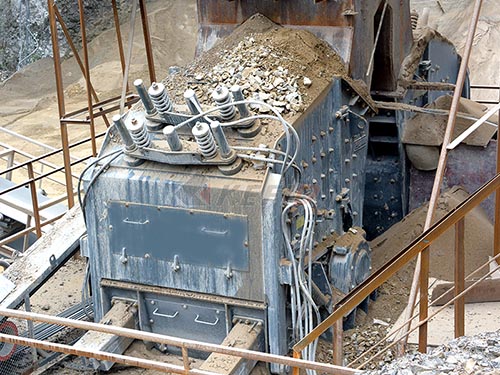
Un tamis haute fréquence est un type de tamis vibrant conçu pour une séparation efficace des particules., principalement utilisé dans le traitement des minéraux, production globale, et industries du recyclage. Il fonctionne à une fréquence plus élevée (généralement 3 600 à 7 200 tr/min) par rapport aux écrans classiques, permettant une meilleure séparation des matériaux fins.
Principales fonctionnalités:
1. Fréquence de vibration élevée:
- Utilise des vibrations rapides pour réduire l’aveuglement du matériau (colmatage) et améliorer l'efficacité du criblage des particules fines (jusqu'à 45 microns ou moins).
2. Tailles de maillage plus petites:
- Idéal pour séparer les matériaux fins comme le sable, charbon, minerai de fer, ou granulats concassés.
3. Faible amplitude:
- Les oscillations à haute fréquence avec de petites longueurs de course évitent une usure excessive et une consommation d'énergie excessive.
4. Conception modulaire:
- Comprend souvent des panneaux d'écran remplaçables (polyuréthane ou acier inoxydable) pour un entretien facile.
5. Applications:
- Traitement des minéraux (par ex., assèchement, classification).
- Criblage global (sable, gravier).
- Recyclage (tri des déchets, récupération des métaux).
- Industries chimiques et alimentaires (séparation des poudres).
Avantages:
- Débit plus élevé pour les matériaux fins.
- Teneur en humidité réduite dans les applications de déshydratation.
- Moins de colmatage grâce aux vibrations intenses.
Inconvénients:
- Coût initial plus élevé que les écrans traditionnels.
- Plus d'entretien en raison de l'usure intense des composants par vibration.
Fabricants:
Les marques populaires incluent Derrick Corporation, Outotec, Processus Schenck, et SWECO.
Souhaitez-vous des détails sur des modèles spécifiques ou des conseils opérationnels?