
Sélection de concasseurs Flsmidth
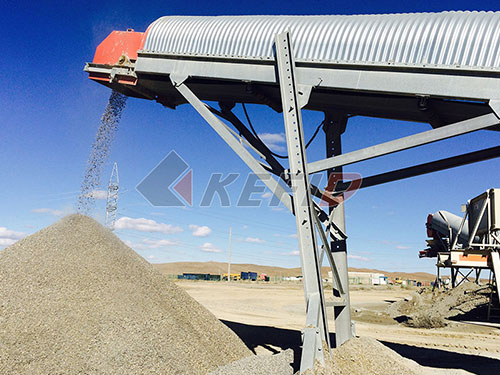

Mastering Mineral Processing: A Comprehensive Guide to FLSmidth Crusher Selection
Optimizing comminution – the process of reducing raw mined material into smaller fragments – is fundamental to efficient mineral processing operations. At the heart of this initial stage lies the critical task of selecting the right primary crusher. FLSmidth, a global leader in sustainable mining technology and services, offers a diverse portfolio of robust crushing solutions designed for maximum productivity and reliability across varied applications. Selecting the optimal FLSmidth crusher isn't merely choosing a machine; it's an intricate engineering decision impacting downstream processes, coûts opérationnels (OPEX), capital expenditure (CAPEX), and overall plant profitability long-term.
Comprendre les principes fondamentaux de l'écrasement
Before delving into specific FLSmidth equipment options, grasping core crushing principles is essential:
1. Crushing Stages: Comminution typically occurs in stages:
Concassage primaire: First reduction stage where large run-of-mine (ROM) ore is reduced to manageable sizes (typiquement 150-300 mm). High capacity and robustness are paramount.
Concassage secondaire: Further size reduction after primary crushing (généralement jusqu'à 30-60 mm). Focus shifts towards producing a more uniform product shape.
Concassage Tertiaire/Quaternaire: Final stages aiming for precise particle size distribution (PSD) required by downstream processes like milling (souvent <20 mm). Shape optimization becomes crucial.
(Note: Not all plants require all stages; configuration depends on ore characteristics and final product requirements).
2. Crushing Mechanisms: Different crushers achieve size reduction through distinct forces:
Compression: Material crushed between two surfaces (par ex., Concasseurs à mâchoires, Concasseurs à cône).
Impact: Material broken by rapid impact blows from hammers or blow bars (par ex., Impacteurs à arbre horizontal - HSI).
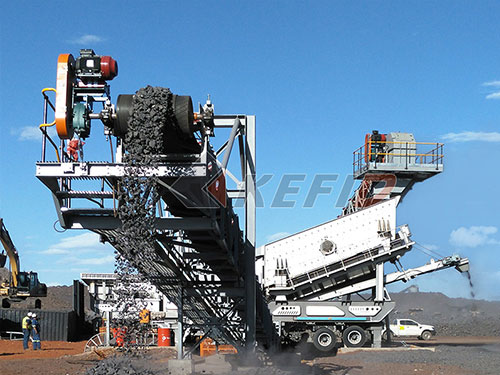
Attrition/Abrasion: Material worn down by rubbing action between particles or against surfaces.
Most modern crushers utilize a combination of these mechanisms.
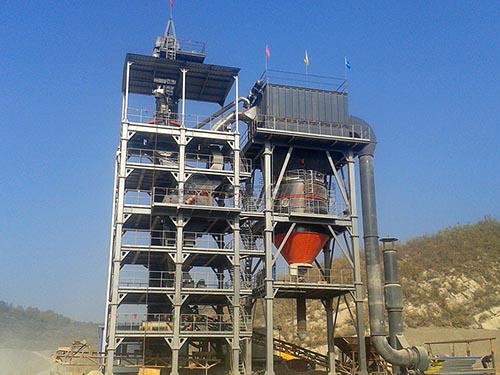
3. Performance Indicators (KPI):
Capacité (TPH): Throughput rate in tonnes per hour.
Rapport de réduction: Ratio of feed size top opening to product size.
Product Size Distribution (PSD): The range and consistency of particle sizes produced.
Forme du produit (% Cubicité): Critical for aggregate quality and downstream milling efficiency.