
Concessionnaires d'équipement d'usine de ciment à l'exportation


Cibler les directeurs d'usine, Spécialistes des achats, et entrepreneurs en ingénierie: Un technique & Commercial Analysis of Modern Cement Plant Equipment
1. Addressing Critical Operational Challenges in Cement Production
Managing a cement plant requires balancing relentless output demands with stringent cost control and equipment reliability. Inefficient or failing equipment directly impacts your bottom line. Êtes-vous confronté à ces défis persistants?
Temps d'arrêt imprévus: Catastrophic failures in key process equipment can halt production lines for days, coûtant plus $50,000 per hour in lost output and emergency repair logistics.
Intensité énergétique: Comminution and pyroprocessing account for over 80% of your plant’s energy consumption. Inefficient machinery inflates operational expenses amid volatile energy markets.
Porter & Coûts d'entretien: Abrasive raw materials and clinker rapidly degrade internal components, leading to frequent shutdowns for replacement parts and labor, with annual maintenance budgets often exceeding initial purchase projections.
Incohérence du processus: Variations in equipment output—such as uneven kiln feed or inconsistent grinding—compromise product quality (Blaine fineness, C3S content) and increase rejection rates.
Pression de conformité environnementale: Meeting increasingly strict emission standards requires precise process control; outdated equipment struggles with NOx, SO2, and particulate matter limits, risking regulatory penalties.
La question centrale devient: How do you specify equipment that delivers not just nominal capacity, but predictable operational cost, longévité, and process stability?
2. Présentation du produit: HighCapacity Vertical Roller Mills for Raw & Cement Grinding
The modern Vertical Roller Mill (VRM) is engineered for the simultaneous grinding, séchage, and classification of raw materials, charbon, and cement clinker. It represents a fundamental shift from traditional ball mill systems.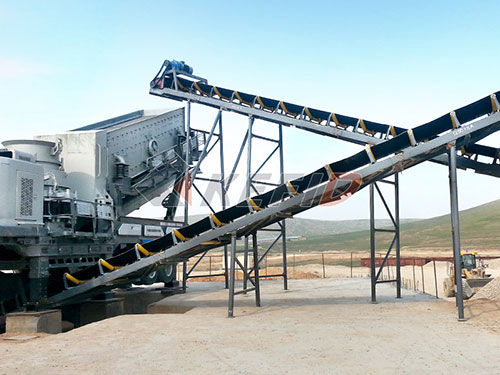
Flux de travail opérationnel:
1. Alimentation & Drying: Material is fed centrally onto the grinding table. Simultanément, hot gas from the kiln or auxiliary heat source is introduced, drying the feed to optimal moisture levels (<1%) before grinding.
2. Affûtage & Compression: Hydraulically loaded rollers exert controlled pressure on the material bed as the table rotates, achieving size reduction primarily through compression rather than impact.
3. Classification & Séparation: Ground material is carried by the gas stream to an integrated dynamic classifier. Oversize particles are rejected back to the bed for regrinding.
4. Product Collection: The fine product (finished raw meal or cement) exits with the gas to a baghouse or electrostatic precipitator for collection.
Champ d'application & Limites:
Portée: Ideal for new greenfield plants or major upgrades seeking lower specific energy consumption. Excellent for grinding abrasive materials when equipped with appropriate wear protection.
Limites: Requires consistent feed material properties for optimal operation. Has a higher initial capital cost than a simple ball mill circuit and demands more sophisticated process control expertise.
3. Fonctionnalités principales: Ingénierie pour l’efficacité & Fiabilité
Our Vertical Roller Mill solutions are defined by features that address direct operational pain points.
Optimized Grinding Geometry | Base technique: Curved roller and table profile design | Avantage opérationnel: Creates a more stable grinding bed with reduced spillage and lower vibration | Impact sur le retour sur investissement: Jusqu'à 5% higher availability from stable operation and 23% consommation d'énergie spécifique réduite.
Hybrid Roller Technology | Base technique: Composite rollers with welded hardfacing or replaceable segment designs | Avantage opérationnel: Extends wear life by up to 50% compared to standard rollers in abrasive applications | Impact sur le retour sur investissement: Reduces annual consumable costs by approximately 30% et prolonge les principaux intervalles d'entretien.
Advanced Material Handling Classifier | Base technique: Highefficiency dynamic classifier with variablespeed drive | Avantage opérationnel: Provides precise particle size control (Blaine fineness) without external recirculation loops | Impact sur le retour sur investissement: Improves product quality consistency by up to 15%, reducing offspec production.
Système de contrôle de processus intégré | Base technique: Mill vibration, pressure drop, and motor load algorithms | Avantage opérationnel: Enables automated adjustment to feed variations and predictive maintenance alerts | Impact sur le retour sur investissement: Empêche les pannes catastrophiques; field data shows a typical reduction of 20% in unplanned stoppages.
Conception modulaire des pièces d'usure | Base technique: Segmented roller tires and table liners | Avantage opérationnel: Allows partial replacement during scheduled maintenance without full component disassembly | Impact sur le retour sur investissement: Cuts planned downtime durations by up to 40%, augmenter les heures productives annuelles.
4. Avantages concurrentiels par rapport. Traditional Ball Mill Systems
| Mesure de performances | Norme de l'industrie (Circuit de broyeur à boulets) | VRM Solution | Avantage (% Amélioration) |
| : | : | : | : |
| Consommation d'énergie spécifique (kWh/t) | ~4045 kWh/t (ciment) / ~2225 kWh/t (raw) | ~2833 kWh/t (ciment) / ~1518 kWh/t (raw) | 2530% Réduction |
| Dryability Capacity (Feed Moisture %) Limited external dryer required Up to ~8% moisture in single pass Handles higher moisture feeds efficiently |
| Particle Size Adjustment Speed Manual adjustment via media charge; slow Dynamic classifier speed change; rapid Minutes vs. Heures |
| Physical Footprint Large horizontal footprint requiring multiple units Compact vertical design requiring less area Up to 50% Space Saving |
| Noise Emission Level Typically >100 dB(UN) at source Enclosed design; typiquement <85 dB(UN) Significant reduction |
5. Spécifications techniques
Les spécifications dépendent du modèle; representative data for a midrange VRM suitable for cement grinding:
Plage de capacité: 80 – 250 ème (OPC at Blaine 3500 cm²/g)
Exigences d'alimentation: Main motor rating from 1500 kW à 4500 kW; auxiliary fan motors additional.
Spécifications matérielles: Grinding elements constructed from highchromium alloy steel or Nihard alloys; housing in mild steel with abrasionresistant liners.
Dimensions physiques (Env.): Varie considérablement selon la capacité; par ex., un 150 t/h mill may have a base diameter of ~6m and overall height of ~12m excluding separator.
Plage de fonctionnement environnementale: Conçu pour des températures ambiantes de 20°C à +45°C; capable of processing hot gases up to +450°C at mill inlet.
6. Scénarios d'application
Integrated Cement Plant Upgrade
Défi: A Southeast Asian plant faced rising energy costs (~35% of production cost) and needed increased clinker grinding capacity without expanding its building footprint.
Solution: Replacement of two older ball mill lines with one highcapacity Vertical Roller Mill system for finish cement grinding.
Résultats: Specific energy consumption reduced from 42 kWh/t to 29 kWh/t—a direct annual energy saving exceeding $750k—while achieving a footprint reduction of over 40%.
Raw Meal Preparation for New Production Line
Défi: An engineering contractor required raw milling equipment that could handle variable limestone moisture content (47%) without a separate drying circuit while ensuring consistent kiln feed chemistry (<0.2% variation).
Solution: Installation of a dualpurpose VRM designed for highdrying capacity with an integrated online particle size analyzer feeding back to the classifier controls.
Résultats: Achieved consistent raw meal fineness (<12% residue on 90µm), eliminated capital expense on standalone dryer system, reduced overall project commissioning time by eight weeks.
Considérations commerciales
Equipment pricing is projectspecific but generally falls into three tiers:
1. Standard Performance Package ($2M$8M): Includes core VRM unit with standard wear materials/designs and basic process controls suitable for less abrasive materials or where initial capex is primary driver.
2 .HighAvailability Package (+1525%): Features upgraded wear components like segmented rollers/table liners), advanced condition monitoring sensors embedded throughout gearbox/bearings/grinding elements), enhanced dynamic classifier system offering finer control over product PSD curve shape).
3 .Full Plant Integration Package (+3040%): Incorporates complete engineering services including foundation design support along pneumatic conveying systems integration plus comprehensive automation package linking mill operations directly into existing plant DCS network).
Fonctionnalités facultatives:
• Automated roller swingout device facilitating faster inspection/maintenance tasks safely under controlled conditions).
• Specialized ceramic composite linings designed specifically handling highlycorrosive alternative fuels derived materials).
Forfaits de services:
• Planned Maintenance Agreements guaranteeing fixedcost coverage all scheduled parts/labor during defined intervals ensuring predictable OPEX budgeting).
• Remote Monitoring & Diagnostics subscriptions providing realtime performance analysis/alerts directly from OEM technical support center enabling proactive intervention before failures occur).
Options de financement:
Flexible structures available including leasetoown arrangements spreading payments across useful life asset while preserving working capital lines credit along performancebased contracts where portion payment tied achieving guaranteed metrics such specific energy consumption levels uptime percentages).
FAQ
Q1 How does transition from ball mills affect our existing plant layout balance?
A1 VRMs require different ancillary equipment particularly concerning hot gas supply dust collection Due compact vertical design often free significant floor space allowing easier integration retrofits Detailed FEED study conducted prior specification addresses all interface points
Q2 What realistic expected operational availability this type equipment?
A2 With proper maintenance regime utilizing modular wear part designs industry data demonstrates availability rates consistently above % excluding planned stoppages This compares favorably best practice ball mill circuits
Q3 Are these mills suitable using blended cements slag pozzolans?
A3 Yes however grindability characteristics differ pure clinker Specific models configurations including classifier settings roll pressure profiles optimized different materials must selected during procurement phase ensure meet productivity targets
Q4 What typical lead time delivery erection commissioning large VRM project?
A4 Lead times vary scale complexity For complete system including all auxiliaries expect months manufacturing followed months site erection commissioning depending local contractor readiness This timeline competitive major kiln line projects
Q5 Do offer performance guarantees new equipment?
A5 Yes standard commercial terms include guarantees net throughput specific power consumption product fineness noise emissions These backed test runs conducted after installation using mutually agreed feedstock protocols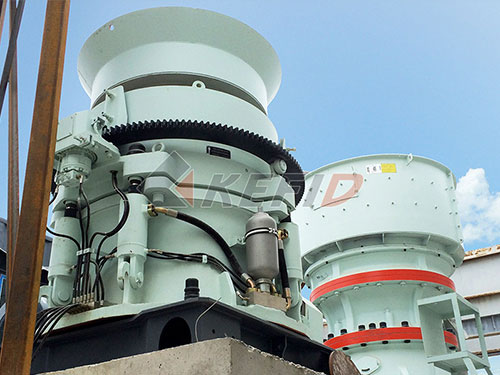
Q6 How training provided our operations maintenance teams?
A6 Comprehensive program includes classroom instruction fundamentals machine theory hands sessions disassembly/reassembly key components shadowing during initial start period All documentation provided digital formats tailored your plant systems
Q7 What ongoing spare parts strategy recommend minimize inventory costs?
A7 We advocate hybrid strategy maintaining critical stock items long lead times bearings gear components onsite while leveraging our regional distribution centers fastmoving wear parts consignment stocking agreements also available reduce your carrying costs