
Concassage De Bauxite Calcinée
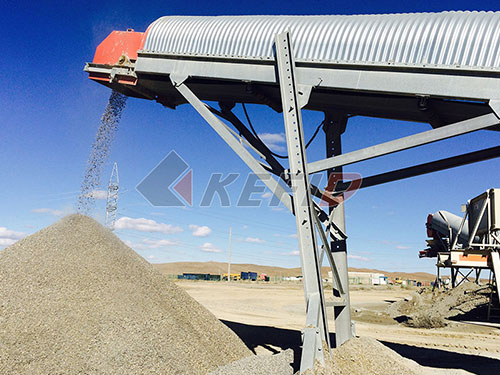

The Critical Art and Science of Crushing Calcined Bauxite
Calcined bauxite stands as a cornerstone industrial mineral globally, prized primarily for its exceptional hardness (Mohs 8-9), high alumina content (~50–65% Al₂O₃ after calcination), chemical inertness, thermal stability, and abrasive nature. These properties make it indispensable in demanding applications such as refractories for high-temperature furnaces (acier, ciment), fused alumina production (brown fused alumina - BFA), proppants for hydraulic fracturing in oil & gas extraction (high-strength variants), abrasives for blasting media and grinding wheels, anti-skid aggregates for heavy-duty flooring systems and road surfaces requiring high friction coefficients under wet conditions.
Cependant, transforming this robust material from large kiln-fired lumps into precisely graded fractions suitable for these diverse end uses hinges critically upon one fundamental process stage: écrasement. The efficient and effective crushing of calcined bauxite is far more than mere size reduction; it's a complex interplay of material science principles applied through carefully selected mechanical engineering solutions to achieve specific particle size distributions (PSD), formes (angularity vs roundedness), minimize fines generation detrimental to some applications like refractories or proppants while maximizing yield within target specifications – all executed cost-effectively despite the material's inherent challenges.
Understanding the Material Challenge
Raw bauxite ore undergoes calcination at temperatures typically ranging from 1400°C to 1800°C depending on the desired phase transformation level primarily aimed at driving off free moisture chemically bound water gibbsite boehmite diaspore conversion into stable corundum alpha-Al₂O₃ structure responsible extreme hardness density increase porosity reduction achieving final product characteristics required downstream processes application performance demands significantly alter physical properties compared raw state becomes highly abrasive extremely hard relatively brittle although toughness varies source processing parameters impact crushability behavior significantly key challenges facing crushing operations include:
1. Abrasivité extrême: Calcined bauxite rapidly wears down conventional steel components contact surfaces crushers conveyors screens leading frequent maintenance downtime replacement costs primary operational expense factor.
2. Haute dureté: Significant force required initiate fracture consume considerable energy input powering machinery.
3. Caractéristiques d'alimentation variable: Lump size distribution exiting kiln fluctuates moisture content trace minerals affect flowability brittleness behavior within crusher chamber.
4. Génération de poussière: Dry dusty nature creates significant health safety environmental hazards requiring robust dust suppression collection systems maintain workplace air quality comply regulations