
Prix des concasseurs
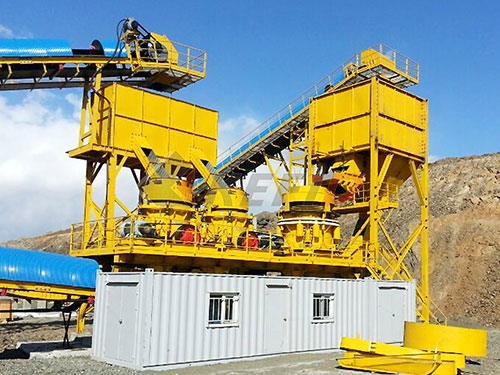

Navigating the Maze: Understanding Crusher Prices & Making Smart Investments
La question "How much does a crusher cost?" is deceptively simple. Unlike buying a standard appliance, crusher prices aren't listed on a neat shelf tag; they span a vast spectrum influenced by numerous factors crucial for informed decision-making in industries like mining, carrière, recyclage, et construction. Understanding these variables is key to securing equipment that delivers true value and operational efficiency.
Why Such a Wide Price Range?
Crusher prices can range from tens of thousands of dollars for smaller mobile units to several million dollars for massive stationary plants processing thousands of tons per hour. This immense variation stems from:
1. Type of Crusher: The core technology dictates fundamental costs.
Concasseurs à mâchoires: Relatively simpler design often makes them more affordable entry points for primary crushing.
Concasseurs à cône: More complex mechanisms for finer secondary/tertiary crushing generally command higher prices than comparable jaw units.
Concasseurs à percussion (HSI/VSI): Versatile for various materials (especially softer rock or recycling), prices vary significantly based on size and features (par ex., VSI precision shaping).
Concasseurs giratoires: High-capacity giants primarily used in large-scale mining operations represent the top end of the investment scale.
Specialized Crushers: Roll crushers, broyeurs à marteaux, shredders – each has unique engineering impacting cost.
2. Capacité & Taille: C'est primordial.
Débit (TPH): A machine designed to process 100 TPH will be vastly cheaper than one rated for 1,000 TPH.
Taille de l'alimentation & Taille du produit: Handling larger feed rocks or achieving finer end products requires more robust engineering and power, coût croissant.
3. Mobilité & Configuration:
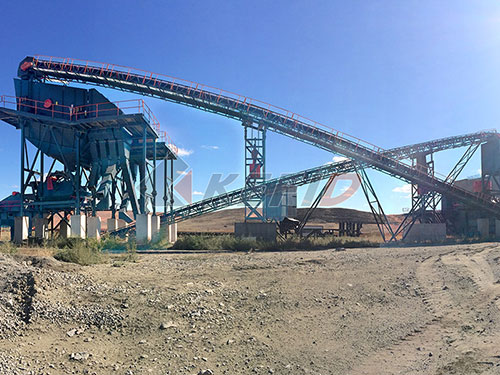
Plantes stationnaires: Typically offer higher capacity per dollar invested initially but require significant site infrastructure costs.
Track-Mounted Mobile Crushers: Offer flexibility and rapid setup; their integrated mobility systems significantly increase the base price compared to equivalent stationary units.
Wheel-Mounted Mobile Crushers: Often less expensive than track-mounted but may require semi-trailers for transport between sites.
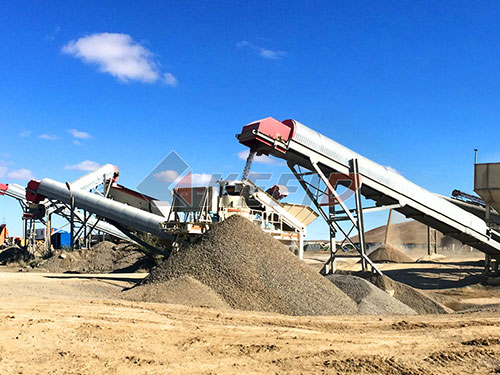
4. Qualité de construction & Matériels:
Wear Parts Composition: Premium manganese steel alloys significantly resist abrasion but add cost upfront (though they save money long