
Usine de concassage.
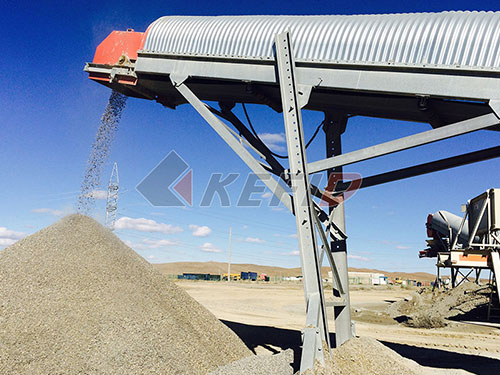

The Crusher Plant: The Unsung Engine of Infrastructure Development
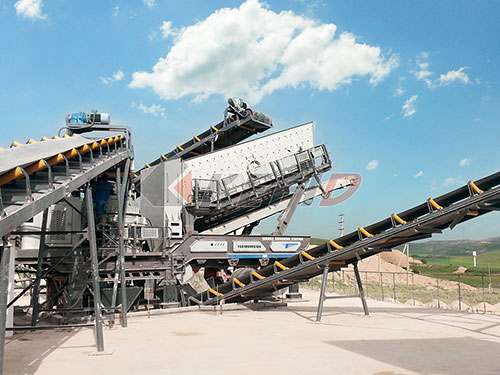
While towering skyscrapers and sprawling highways capture the public eye, the true foundation of modern infrastructure often begins in a much less glamorous setting: the crusher plant. This complex industrial facility is the indispensable workhorse responsible for transforming raw rock and mineral deposits into the essential aggregates that build our world.
Plus que simplement casser des pierres
À la base, a crusher plant is designed to reduce large rocks, rochers, or demolition debris into smaller fragments of specific sizes – known as aggregates. Cependant, its function is far more sophisticated than simple size reduction:
1. Classement des tailles: Crushing alone isn't enough; precise sizing is critical for different applications (par ex., coarse aggregate for concrete foundations vs fine sand for asphalt). Plants incorporate screening systems to separate crushed material into various fractions.
2. Material Processing: Beyond crushing and screening, plants often include washing systems to remove clay, saleté, and other contaminants crucial for high-quality concrete or asphalt production.
3. Stockage & Logistique: Efficient plants manage the flow of material via conveyors and organize finished products into stockpiles ready for transport.
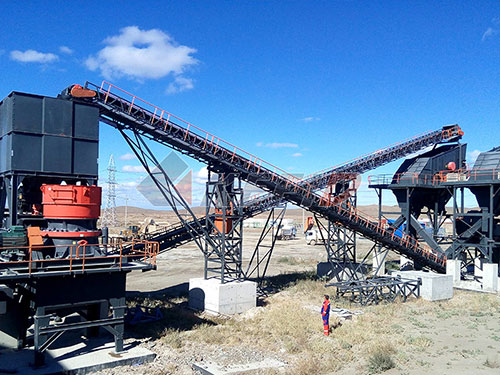
The Anatomy of Productivity
A typical modern crusher plant integrates several key components:
Concasseur primaire: The first point of contact with raw feed (like jaw crushers or gyratory crushers), handling the largest rocks.
Concasseur secondaire(s): Takes output from the primary stage and crushes it further (par ex., cone crushers or impact crushers).
Concasseurs Tertiaire/Quaternaire: For applications demanding very specific shapes or extremely fine materials.
Écrans: Vibrating screens sort crushed material by size at various stages throughout the process.
Mangeoires: Regulate the controlled flow of material into each crusher stage.
Convoyeurs: The vital arteries transporting material between different processing stages and stockpiles.
Système de contrôle: Modern plants rely on sophisticated automation systems for monitoring performance, optimizing settings remotely, ensuring safety protocols are followed.
Configurations for Every Need
Crusher plants are highly adaptable:
Plantes stationnaires: Large-scale installations typically located near quarries or major construction projects requiring high-volume output over long periods.
Installations modulaires: Pre-assembled sections transported to site and connected together quickly; offers flexibility without sacrificing too much capacity.
Installations de concassage mobiles: Mount