
broyeur pour oxyde de calcium
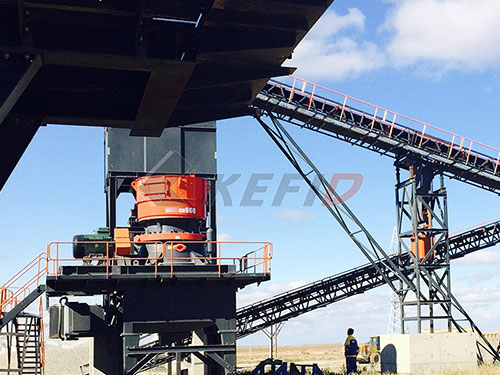

Concassage de chaux vive: Sélection & Optimizing Crushers for Calcium Oxide
Calcium oxide (CaO), communément appelée chaux vive ou chaux brûlée, est un produit chimique industriel fondamental dérivé de la décomposition thermique du calcaire (carbonate de calcium). Sa réactivité le rend indispensable dans divers secteurs comme la sidérurgie, désulfuration des gaz de combustion (Groupe de discussion), production chimique, construction (mortier, plâtre), traitement de l'eau, and soil stabilization.
A critical step in preparing quicklime for many of these applications is size reduction. Raw quicklime exiting the kiln often forms large lumps or nodules unsuitable for direct use or efficient reaction. This is where crushers specifically designed or adapted for calcium oxide become vital pieces of equipment.
Why Crush Calcium Oxide?
1. Enhanced Reactivity: Smaller particle sizes dramatically increase the surface area available for reaction with water (slaking) or other chemicals (par ex., SO₂ in FGD). Faster and more complete reactions are essential for process efficiency and product quality.
2. Manipulation améliorée & Flowability: Crushed lime flows more predictably through conveyors, silos, mangeoires, and pneumatic transport systems compared to large lumps prone to bridging.
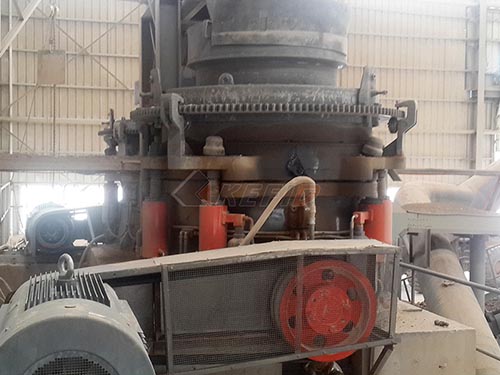
3. Precise Dosing: Many processes require accurate metering of lime quantities based on weight or volume consistency achievable only with controlled particle sizes.
4. Traitement en aval: Crushing prepares lime for further processing steps like milling/pulverizing into fine powders or hydration into slaked lime slurry.
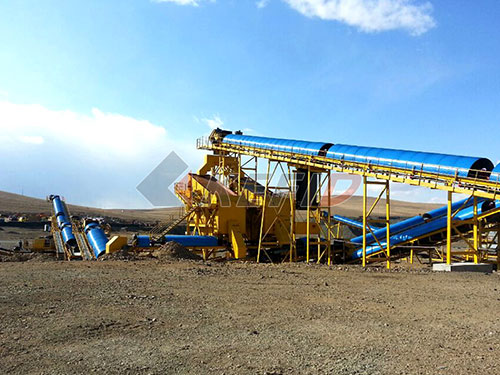
Challenges of Crushing Quicklime
Crushing CaO presents unique challenges compared to inert minerals:
Haute abrasivité: While not the hardest mineral (Mohs ~3-4), calcium oxide crystals are highly abrasive due to their angular structure formed during calcination.
Heat Sensitivity: Freshly calcined lime can be very hot (>100°C). While crushers handle heat generally well sustained high temperatures combined with abrasion accelerate wear.
Hygroscopicity & Génération de poussière: Quicklime readily absorbs moisture from the air, potentially leading to partial hydration/surface caking during processing if exposed excessively.
Surtout: This moisture absorption generates significant amounts of very fine dust – a major health hazard causing irritation and potentially severe respiratory damage ("lye burns"). Effective dust containment and suppression are non-negotiable.
Caustic Nature: The dust itself is highly alkaline and corrosive to equipment components and poses serious